Space-Grade PCB Fabrication for Satellites, Rovers & Orbital Systems
Published: December 5, 2025 | Category: Aerospace & Defense
In modern space exploration, PCB fabrication is the backbone of every aerospace electronic system. From satellites and Mars/Lunar rovers to long-term orbital platforms (e.g., space stations), all critical electronic modules rely on high-reliability PCBs to ensure mission success.
Given the extreme space environment—vacuum, intense radiation, rapid thermal cycling from –150°C to +150°C, and launch vibration—aerospace-grade PCBs must meet standards far beyond commercial electronics. This article provides a professional analysis of manufacturing requirements for space-bound PCBs, covering materials, processes, costs, applications, and testing, serving as a practical reference for engineers and aerospace procurement teams.
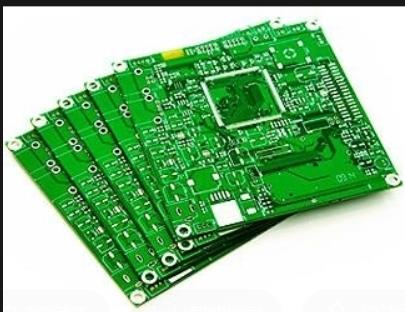
For a comprehensive understanding of PCB manufacturing capabilities that support these extreme requirements, explore our dedicated manufacturing page.
1. Key Differences: Aerospace PCB vs. Conventional PCB
Aerospace circuit boards must meet zero-defect and ultra-high stability requirements. Core differentiators include:
- Low-outgassing materials to prevent contamination of optical devices and sensors.
- Radiation-hardened substrates ensuring no degradation under strong radiation.
- Compliance with IPC Class 3/3A, IPC-6012DS, NASA/ESA standards.
- Exceptional thermal stability and resistance to launch shock & vibration.
These characteristics ensure stable operation throughout launch, orbit insertion, and multi-year missions.
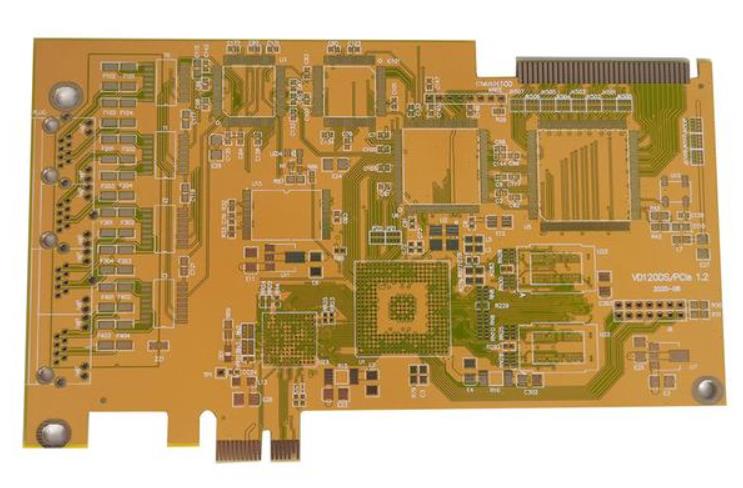
2. Critical Materials for Space-Grade PCBs
To cope with extreme environments, space electronics adopt advanced substrates and stack-ups. Common space PCB materials include:
| Material Type | Properties | Space Application Suitability |
|---|---|---|
| Polyimide (PI) | Withstands 260°C, high flexibility | Satellites, rovers, flexible circuits |
| Ceramic (Al₂O₃ / AlN) | High thermal conductivity, radiation-hard | Power modules, RF payloads |
| Metal-core PCB (MCPCB) | Excellent heat dissipation | LED arrays, power distribution |
| High-Tg FR4 | Low cost, moderate heat resistance | Non-critical satellite modules |
Polyimide and ceramic substrates are the most common choices due to their stability under radiation and temperature cycling.
3. Core Manufacturing Processes for Space Electronics
Aerospace PCB fabrication typically employs advanced techniques:
- HDI microvia and blind/buried via technology
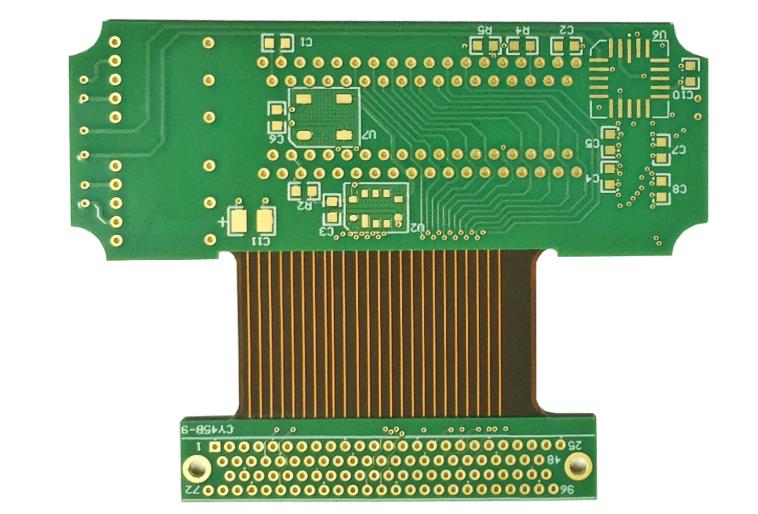
- Multilayer and flex PCB assembly integration (rigid-flex)
- Controlled impedance structures (for satellite communications)
- Metal-backed heat dissipation designs
- High-reliability ENEPIG surface finish
These technologies enable stable performance under high-density, high-frequency, and extreme operating conditions.
Our SMT PCB assembly services are fully qualified for aerospace assemblies requiring fine-pitch and high-reliability soldering.
4. PCB Applications in Satellite Systems
Satellites rely on PCBs for core electronic functions, including:
- Communication payload systems
- On-board computer (OBC)
- Power distribution units (PDU)
- Attitude and orbit control (AOCS)
- Telemetry and data links
Satellite PCBs must withstand long-term radiation and temperature variations in orbit while delivering continuous performance for years.
5. PCBs in Planetary Rovers
Planetary rovers require high-reliability PCBs that can handle dust, shock, extreme cold, and solar radiation. Core PCB functions include:
- Motor control boards (drive systems)
- Sensor interface boards (cameras, LiDAR, spectrometers)
- Wireless communication modules
- Environmental monitoring modules
These systems must maintain stability in extreme temperature swings and intense radiation.
6. PCBs in Orbital Platforms & Space Stations
Space stations and large orbital platforms demand even higher reliability, with PCBs used in:
- Life support system monitoring boards
- Power management and distribution modules
- RF communication and signal processing
- Computing and navigation electronics
Years-long operational life requires exceptional aging resistance and EMI immunity.
For high-density designs, our high-volume PCB assembly capabilities ensure consistent quality even for complex space-grade boards.
7. Environmental & Reliability Testing for Aerospace PCBs
The following tests are mandatory for space electronics:
| Test Item | Purpose |
|---|---|
| Thermal shock / thermal cycling | Evaluate stability under extreme temperature changes |
| Vibration / shock testing | Simulate launch conditions |
| ASTM E595 outgassing | Prevent material outgassing contaminating optical systems |
| Burn-in aging | Detect early failures |
| Humidity / corrosion testing | For low-Earth orbit systems |
Only PCBs that pass all tests qualify for space applications.
8. Cost Structure & Typical Pricing for Space-Grade PCBs
Costs are influenced by materials, layer count, HDI complexity, and testing standards.
| PCB Type | Price Range (USD) | Application |
|---|---|---|
| 6-layer Polyimide PCB | $180 – $450 | Satellites, rovers |
| Ceramic PCB (Al₂O₃/AlN) | $30 – $200 | RF payloads, power electronics |
| Rigid-Flex PCB | $350 – $1,200 | Satellite avionics, rover systems |
| 10+ layer HDI | $280 – $800 | OBC, space computing |
The high cost reflects stringent testing and high-end materials.
9. GoPCB: Your Trusted Space-Grade PCB Manufacturing Partner
As a specialized PCB manufacturer for aerospace, satellite, and deep-space missions, GoPCB delivers high-reliability circuit board solutions to global clients.
GoPCB Core Strengths:
- Expertise in Polyimide, Ceramic, Rigid-Flex, and HDI aerospace PCBs
- Full compliance with IPC Class 3/3A and NASA standards
- Strict low-outgassing material management
- Support for OBC, RF payloads, power supplies, and more
- Free DFM engineering review
- Quick-turn prototyping and reliable volume delivery
GoPCB Aerospace PCB Reference Pricing:
- 6-layer Polyimide: $210 – $380 / pcs
- Ceramic RF board: $45 – $150 / pcs
- Rigid-Flex aerospace board: $420 – $900 / pcs
GoPCB is committed to providing dependable space electronics manufacturing capabilities for global aerospace teams.
Explore our turnkey PCB assembly services for end-to-end support from procurement to final assembly.
10. Aerospace PCB vs. Standard PCB – A Side-by-Side Comparison
| Aspect | Aerospace PCB | Standard PCB |
|---|---|---|
| Material | Polyimide, Ceramic, High-Tg | FR4 |
| Reliability standard | IPC 3/3A, space-grade | IPC 2 |
| Max temperature | Up to 260°C | 130–170°C |
| Outgassing control | Mandatory | Not required |
| Radiation hardness | Mandatory | Not required |
| Cost | High | Low |
Space-grade PCBs are ultra-reliable electronic structures designed for extreme environments and long-duration missions.
11. Design Best Practices for Space-Bound PCBs
Engineers should focus on:
- Reducing via count to minimize failure points
- Using polyimide or ceramic substrates for stability
- Incorporating metal backplanes or copper planes for heat spreading
- Enhancing EMI/EMC shielding
- Increasing creepage and clearance distances
- Performing thermal-structural modeling based on mission duration
Sound design strategies significantly extend aerospace electronic system life.
For expert guidance, our PCB design layout service provides DFM and thermal analysis tailored to space applications.
12. FAQ – Frequently Asked Questions
1. What is the most common material for aerospace PCBs?
Polyimide (PI) and ceramic substrates are most often used due to heat resistance, radiation hardness, and stability.
2. How much does a space-grade PCB cost?
Typically between $150 and $1,200 per board depending on materials and complexity.
3. What tests are mandatory for space electronics?
Thermal cycling, vibration, outgassing (ASTM E595), burn-in, humidity/corrosion, etc.
4. Can rigid-flex PCBs be used in satellites?
Yes, rigid-flex PCBs are widely used in satellites and deep-space probes for their light weight and reliability.
5. Do space-grade PCBs require special coatings?
Yes, conformal coatings like Parylene, ENEPIG, and silicone are often applied to improve radiation resistance and thermal stability.
13. Conclusion
Space exploration imposes exceptionally high demands on PCB manufacturing—from materials and stack-ups to processes and environmental testing, every step must ensure extreme reliability. From satellite payloads to deep-space rovers and space station systems, high-reliability PCBs are the foundation of every successful mission.
With advanced aerospace manufacturing capabilities and stringent quality control, GoPCB continues to deliver stable, space-grade circuit board solutions to global satellite and aerospace clients, supporting the success of missions worldwide.
Learn more about our prototype PCB assembly and low-volume PCB assembly services for early-stage space projects.