Polyimide PCB Material Guide: High Temperature and Flexible Boards
What Is a Polyimide PCB?
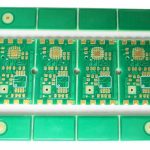
A polyimide PCB uses polyimide, a high-performance aromatic polymer, as the insulating base material instead of standard FR4 epoxy laminate. The chemistry of polyimide, with its stable imide rings in the molecular chain, gives the finished board a far higher working temperature, lower thermal expansion and better mechanical endurance than ordinary epoxy systems can offer. Designers reach for a polyimide PCB when the product has to keep working in engine bays, near hot power stages, inside satellites, or in a dynamic flexing cable that must survive hundreds of thousands of bends. Because the material can be produced as a thin film or as a rigid laminate, it supports flexible circuits, multilayer flex, rigid-flex constructions and conventional rigid boards, which is why the same base material family appears across aerospace, automotive electronics, medical equipment and industrial automation.
How Polyimide Differs From FR4
Standard FR4 is an epoxy resin reinforced with woven glass, and it is perfectly adequate for most commercial electronics up to roughly 130-150°C continuous operation. Polyimide replaces that epoxy matrix with a polymer that keeps its mechanical strength and electrical insulation at temperatures where FR4 would soften, char or delaminate. The practical differences show up as a higher glass transition temperature, a lower coefficient of thermal expansion, better fatigue life under repeated bending and much more stable dielectric behavior over temperature. Those improvements cost more, both in raw material and in processing difficulty, so the material choice is normally driven by the working environment and the reliability target of the final product rather than by habit.
High Temperature Performance of Polyimide
Heat resistance is the signature property of polyimide circuit board materials. A typical polyimide PCB can operate continuously at 200°C to 260°C, survive short excursions above 300°C, and only begins significant thermal decomposition above 500°C. Glass transition values for polyimide systems sit in the 250°C to 400°C range depending on the formulation, compared with roughly 130°C to 180°C for standard and high-Tg FR4. In practice this means the laminate does not soften or lose registration during repeated reflow cycles, high-temperature soldering, or long service near hot motors, power converters and combustion electronics. For assemblies that see thermal shock, the material also keeps its dimensions better, which reduces the stress placed on plated through holes and solder joints during every temperature cycle.
Flexibility and Bend Reliability
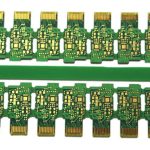
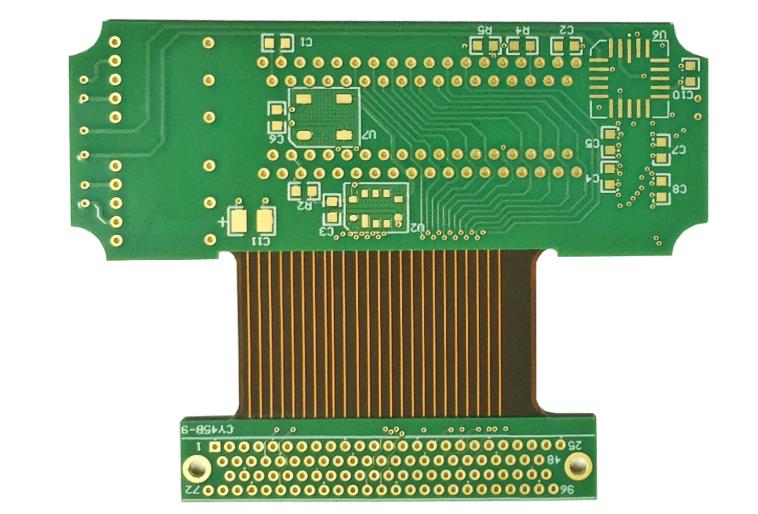
Polyimide film is the standard base material for flexible PCB construction because it combines excellent bend resistance with the heat tolerance needed for soldering. Dynamic flex circuits made from polyimide can be rated for tens of thousands of bend cycles when the stack-up uses appropriate coverlay, adhesive and copper foil selection, which is why folding phones, wearable devices, camera modules and printer heads all depend on it. Unlike polyester film, polyimide does not melt during assembly, so it survives reflow and wave soldering without dimensional damage. For rigid-flex boards, the same material bridges the rigid sections and the flexible hinge area, eliminating connectors and improving reliability in products that are constantly opened, closed or moved during use.
Electrical Properties and Signal Integrity
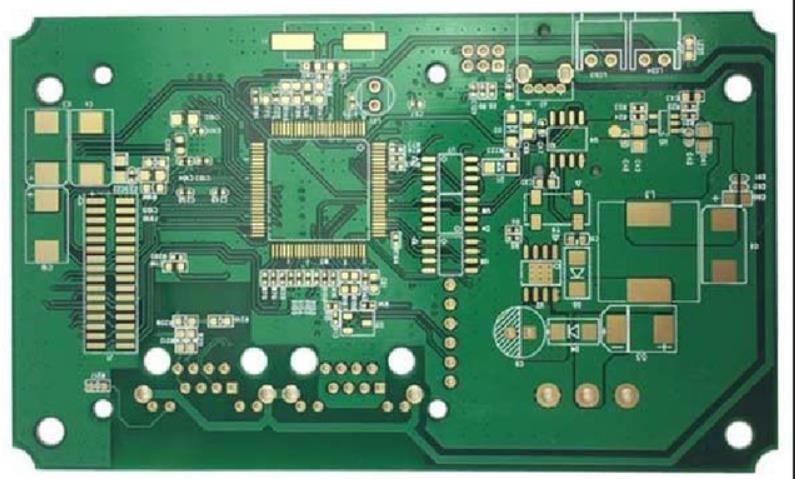
Polyimide offers stable electrical performance over a wide temperature range, with a dielectric constant of about 3.2 to 3.6 and a dissipation factor of roughly 0.002 to 0.008 depending on the grade and frequency. These numbers are good enough for many high-speed digital and radio frequency designs, although materials with lower loss such as modified polyimide or specialty laminates are preferred for the very highest frequencies. The insulating strength of polyimide is high, and its surface insulation resistance remains stable even after humidity exposure when the board is properly baked and processed. For a polyimide PCB in a mixed-signal system, the consistent dielectric behavior across temperature helps keep impedance and timing predictable instead of drifting as the equipment heats up.
Thermal Expansion and Mechanical Stability
One of the quieter advantages of polyimide is its lower coefficient of thermal expansion compared with ordinary epoxy laminates. When a board heats and cools, the copper foil, plated barrel and base material all expand at different rates, and large mismatches create stress that cracks barrels and lifts pads over time. Polyimide reduces that mismatch, improving reliability for through-hole vias, heavy components and assemblies that cycle through wide temperature ranges. The material also has strong tensile strength and good tear resistance in film form, which matters for flex circuits that are handled during assembly and bent in the field. Careful design of the copper weight, layer balance and adhesive system is still required, but the base material gives the mechanical design a much larger safety margin.
Chemical Resistance and Service Life
Polyimide resists many of the chemicals that attack standard laminate systems, including industrial solvents, hydraulic fluids, aviation fuel, lubricants, cleaning agents and weak acids and alkalis. That chemical stability extends the useful life of boards installed in industrial machinery, vehicles and aerospace platforms where exposure to oils and cleaning chemistry is unavoidable. Combined with its thermal margin, the material tends to fail slowly and predictably rather than degrading quickly, which is why long-life programs in defense, energy and transportation specify polyimide when budgets allow. It is worth remembering that polyimide absorbs moisture when stored unprotected, so proper baking before lamination and assembly is part of achieving that long service life.
Typical Applications
In aerospace and defense, polyimide PCB boards appear in avionics, satellite electronics, engine controls and instrumentation that must tolerate vacuum, radiation, vibration and extreme temperature swings. Automotive programs use the material for engine control modules, transmission electronics, battery management and sensor interfaces located close to heat sources. Medical devices use polyimide flex circuits in implantable and diagnostic equipment where thin, bendable and biocompatible constructions are required, while industrial robotics, downhole tools and power electronics rely on its high temperature rating. Whenever a product combines heat, motion or harsh environments with a long service life requirement, a polyimide solution is usually on the shortlist.
Manufacturing Challenges
Polyimide is more difficult to process than FR4, and the difference shows up in several specific steps. The material is hygroscopic, so incoming film and laminates must be kept dry and baked before lamination to avoid voids and blistering. Laser drilling of microvias needs carefully tuned parameters because polyimide absorbs laser energy differently from glass-reinforced epoxy, and the copper foil adhesion of some low-flow polyimide films requires a dedicated surface treatment. Lamination temperature and pressure windows are tighter, fine-line etching demands stable processing, and layer-to-layer registration must be held precisely across thin, dimensionally active material. A capable fabricator controls moisture, drilling and lamination as a system rather than treating the material like a drop-in FR4 replacement.
Cost and Selection Considerations
A polyimide PCB costs more than an equivalent FR4 board, and the premium grows with thinner flex film, higher temperature grades, multilayer flex construction and tighter impedance control. The extra cost is usually justified by lower field failure rates, reduced maintenance and the ability to place electronics where FR4 cannot survive, but it is not always necessary. For static boards in a mild environment, high-Tg FR4 or a specialized epoxy system may deliver enough margin at a fraction of the price. When selecting the laminate, review the continuous working temperature, the number of dynamic bend cycles, the electrical requirements and the mechanical loading of the product, then match the polyimide grade and copper weight to the real duty rather than to a marketing specification.
Working With a Manufacturer
Because process control decides the reliability of polyimide boards, the PCB manufacturing partner must demonstrate experience with moisture control, laser drilling, lamination and registration on this material family. Share the operating temperature, flex requirements and layer count during PCB design and layout review so the stack-up and bend radii are approved before tooling. If the product includes assembled flex or rigid-flex sections, review the handling and soldering plan with the flex PCB assembly team, and confirm the finished boards with the electrical tests and inspection defined for PCBA testing so the final assembly matches the reliability the material promises.
Polyimide PCB FAQ
Q1: What temperature can a polyimide PCB withstand? Most polyimide laminates operate continuously at 200°C to 260°C, tolerate short peaks above 300°C, and decompose only above 500°C.
Q2: Is polyimide PCB better than FR4? For high temperature, flexing, chemical exposure and long-life applications, polyimide is clearly better; FR4 remains the economical choice for benign commercial environments.
Q3: Why is polyimide used for flexible PCBs? It combines outstanding bend fatigue resistance with the heat tolerance required for soldering, so dynamic flex circuits survive repeated movement without melting or cracking.
Q4: Can polyimide support high speed or RF designs? Yes. Its dielectric constant of about 3.2 to 3.6 and low dissipation factor suit many high-speed and RF circuits, although ultra-low-loss laminates are available for extreme frequencies.
Q5: Why does a polyimide PCB cost more? The raw material and the stricter moisture, laser drilling and lamination controls increase cost, which is normally repaid by lower failure rates and longer service life in demanding applications.
Conclusion
A polyimide PCB earns its place wherever heat, flexing, chemicals or long-life requirements exceed what FR4 can deliver. The material provides high continuous temperature capability, excellent bend endurance, stable electrical behavior and low thermal expansion, while the main trade-offs are higher cost and tighter manufacturing control. Define the real duty cycle of the product, choose the polyimide grade and construction to match it, and work with a manufacturer that controls moisture, drilling and lamination carefully, and the result is a board that keeps performing in the environments that defeat ordinary laminates.