SMOBC Process: 6 Rules for Solder Mask Over Bare Copper
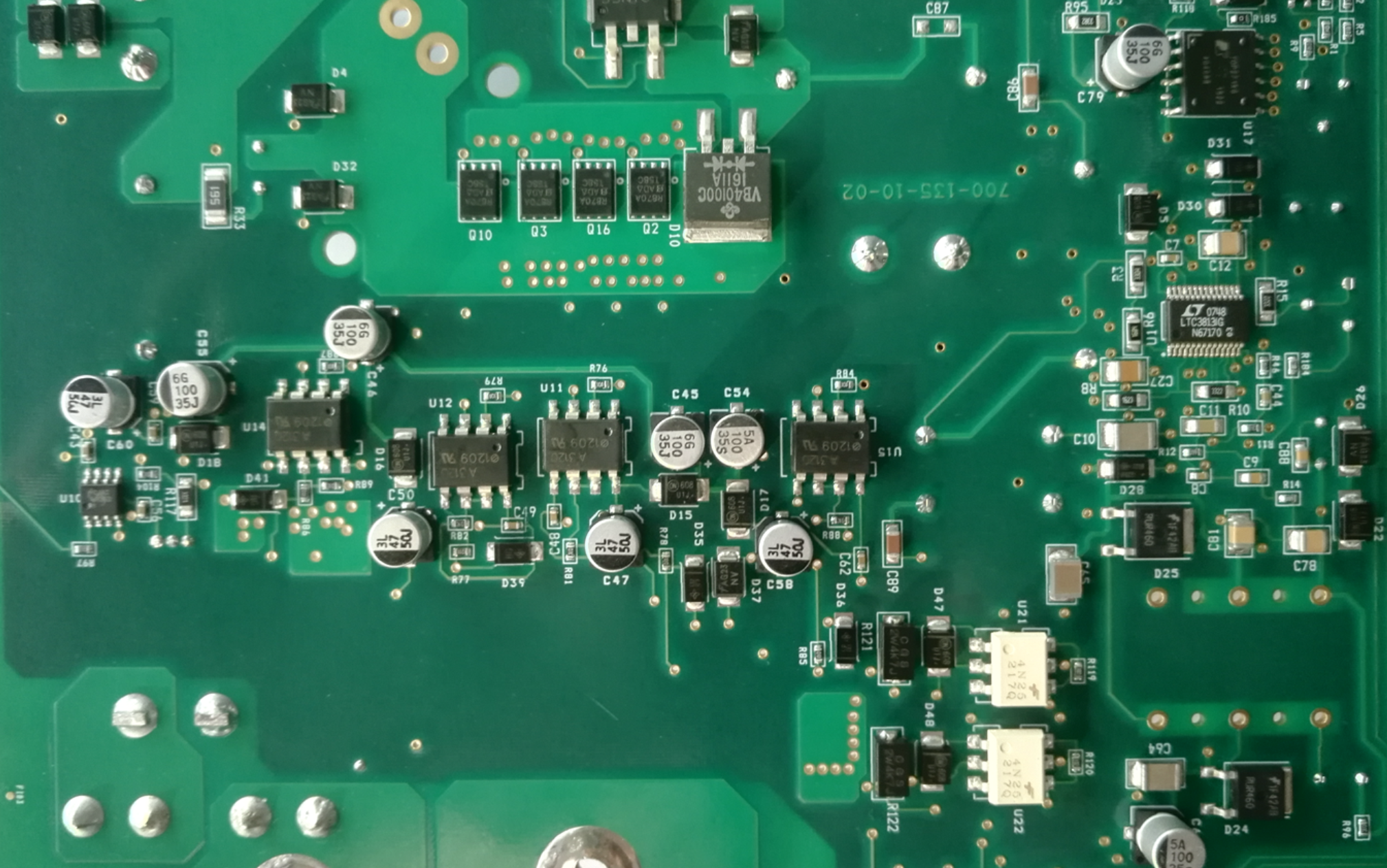
SMOBC stands for solder mask over bare copper, and it describes a board where the mask is applied to etched copper that carries no tin resist, so the mask sits directly on the copper surface. The exposed pads then receive a final finish such as HASL or ENIG.
The alternative, older approach leaves the tin plating in place and applies the mask over it. The mask then sits on a soft, reflowable metal layer that can move under heat, which is why the industry moved toward solder mask over bare copper for fine pitch work. The acronym describes a sequence of steps rather than a single operation.
What SMOBC Means and Why It Exists
In an SMOBC panel the pattern plating resist is stripped, the copper is etched, and the tin that protected the etched traces is removed before the mask is applied. The mask therefore bonds to copper and laminate rather than to a metal that melts at soldering temperatures.
The benefit shows up in assembly. A mask over tin can blister or shift where the tin flows, while a mask over bare copper stays where it was placed. That stability is the reason the process dominates modern work, and it removes a variable from assembly, because no tin layer is left to reflow under the mask.
Tin Stripping Before the Mask
Tin stripping removes the etch resist without attacking the copper under it, and the bath has to be controlled to do both. A bath that is too aggressive etches the traces, and one that is exhausted leaves tin behind on the copper, which changes the surface the mask must bond to. The bath is usually a nitric acid based system and needs both chemical analysis and temperature control.
The control practice for the chemical side is described in tin stripping process control work, and the result should be checked by inspection rather than assumed. Residual tin is a hidden defect that appears later as a mask adhesion failure, so the rinse that follows should be checked by resistivity like any other wet step.
Bare Copper and Its Surface Condition
Once the tin is gone, the copper surface is exposed and begins to oxidise. Oxide, fingerprints and rinse residue all weaken the bond that the mask needs, and the time between stripping and mask application becomes a process limit rather than a convenience, because oxide grows in hours rather than days in a humid shop.
The surface also has to be uniform, because the mask flows and cures differently on a roughened surface than on a polished one. The chemistry used in micro etch control is often used to prepare the copper before the mask, and its condition affects the result.
Mask Application and Cure
Mask can be screen printed, sprayed or curtain coated, and each method leaves a different film over the copper, with its own edge profile at the pads. Whichever is used, the cure has to match the film thickness so that the coating is fully cross linked at the surface and at the copper interface.
Under cure leaves a film that lifts and blisters, and over cure leaves one that cracks at the pad edges. The thickness implications are set out in solder mask thickness work, and the cure schedule should be verified by measurement rather than by the appearance of the surface, with the window set by a thickness reading and an adhesion test together.
Mask Adhesion on Copper
Adhesion on bare copper depends on surface preparation, film thickness and cure, and the three cannot be separated. A board that passes a tape test after cure can still fail after the assembly thermal cycle if the interface was marginal, and contamination from handling is a common cause by this stage of the process.
Verification uses the methods in solder mask adhesion work, including the crosshatch and thermal stress tests. Where a batch fails, the first question should be whether tin stripping left residue rather than whether the ink was faulty.
Surface Finish Options That Follow
Once the mask is cured, the exposed copper pads receive the final finish. HASL, ENIG, immersion silver, immersion tin and OSP each behave differently on the same copper, and the choice belongs to the product rather than to the shop, so the surface finish is normally fixed by the customer and the process has to follow it.
The finish also affects the mask, because a hot process such as HASL exposes it to thermal shock while a mild process such as OSP does not. The checks used in HASL finish quality work assume a mask that was applied to a clean, well bonded copper surface.
Rework and Repair on SMOBC Boards
A damaged mask on an SMOBC board exposes bare copper, which then oxidises quickly. The repair has to remove the damage, clean the copper, restore the mask and cure it without disturbing the surrounding film, and the patch has to match the finish around it.
The limitations of a local repair should be understood before it is attempted, because a patch that is applied over contamination will lift at the next thermal cycle. The rules used for solder mask loss and adhesion repair work are the reference.
Inspection and Acceptance
Inspection covers the mask, the openings and the finish: no exposed copper outside the pad areas, no residual tin, clean development and a film that is free of pinholes and blisters. Each of those checks is quicker on an SMOBC board than on a mask over tin, because the surface under the film is visible at the edges, and photographs of acceptable and rejected conditions help inspectors stay consistent.
The acceptance values should be quoted from the drawing and from the class of the product. Where the process follows a published standard, such as the fabrication documents from IPC, that class decides the limits.
Records, Process Control and Changes
The useful record carries the copper surface preparation, the stripping bath analysis, the time between stripping and coating, the mask thickness, the cure schedule and the adhesion result. Together they explain a failure instead of merely reporting it, since a hold time that is not recorded cannot be investigated.
A change of ink, of stripping chemistry or of finish is a change to the product, and each should be qualified with a build that is measured. The same care that is applied to a finished thickness change belongs to any step that alters the copper surface.
FAQ
Why is SMOBC preferred over mask over tin? Because the mask bonds to copper and laminate rather than to a metal that melts during assembly. The bond is more stable thermally, which matters most on fine pitch and high reliability work.
Can tin residue be seen after stripping? Usually only under magnification, and sometimes not at all, because it appears as a thin dull film. That is why the stripping bath is controlled by analysis and the surface is inspected rather than trusted.
Does the final finish affect mask adhesion? It can, because a hot finish subjects the cured mask to thermal shock while a mild one does not. The finish and the mask should be qualified together rather than separately.