TG130 PCB Guide: Material Properties and Applications
Choosing the right laminate is one of the most important decisions in a PCB project, and the glass transition temperature, or Tg, is the specification that separates boards that warp from boards that last. TG130 PCB material has become a widely used middle-ground choice in electronics manufacturing, offering solid thermal performance at a price that fits cost-sensitive consumer products. This guide explains what TG130 means, how the material behaves, where it is best used, its limits, how it compares with TG150 and TG170 laminates, manufacturing and assembly considerations, cost references, and when upgrading to a higher-Tg material is the smarter choice.
What Does TG130 PCB Mean?
Tg stands for glass transition temperature, the point at which a PCB substrate changes from a hard, glassy state into a softer, rubbery one. Below Tg, the material keeps its dimensional stability; above it, the resin expands and softens, and the board becomes more vulnerable to warping and deformation. A TG130 PCB has a glass transition temperature of about 130 degrees Celsius, which makes it a dependable choice for products that operate in moderate thermal environments. In the industry classification, TG130 is part of the standard FR-4 family, distinguished from basic FR-4 by its higher-rated heat resistance and more consistent behavior through soldering.
Material Properties of TG130
TG130 laminates offer a practical set of characteristics. They provide good thermal stability under standard operating conditions, which means the board holds its shape and dimensions through normal use and soldering. The material resists chemicals encountered in cleaning and fluxing processes reasonably well, and its moisture absorption sits in the middle of the FR-4 range, acceptable for most indoor and consumer applications. Dimensional stability through reflow is reliable, so multi-layer registration stays within tolerance when the process is controlled. These properties make TG130 a safe, well-understood material for single-sided, double-sided, and low-density multilayer boards where cost and maturity matter more than extreme performance.
Advantages of Choosing TG130
There are solid reasons TG130 dominates mid-range production. The manufacturing cost is low because the material is widely produced and the processing window is well known to every fab. The fabrication process is mature, which translates into consistent quality and fewer surprises across batches. Performance is stable, backed by decades of use in consumer electronics, and the material is fully compatible with standard SMT assembly. For OEMs building products in volume, TG130 delivers the right balance of reliability and unit cost, which is why it appears in everything from smart home devices to remote controls and wearable electronics.
Limitations of TG130 Material
Every material has a ceiling, and TG130 is no exception. As the operating temperature approaches 130 degrees Celsius, the substrate becomes more prone to deformation, so boards that run continuously hot should not rely on it. Multiple reflow passes increase the risk of warpage, because each heating cycle pushes the resin closer to its transition. Long-term exposure to high heat accelerates aging and shortens board life, and heavy copper or thick boards amplify the stress. When a design carries a large power load or lives next to a heat source, moving to TG150 or TG170 is the correct engineering call rather than a luxury.
TG130 vs TG150 vs TG170
The Tg rating is a ladder, and each step up buys more thermal headroom at a higher price. TG130 boards, rated at 130 degrees, suit consumer electronics with moderate heat. TG150 boards, rated at 150 degrees, are chosen for high-frequency and power modules that run warmer or see repeated soldering. TG170 boards, rated at 170 degrees and above, are specified for automotive and aerospace applications where heat, vibration, and reliability demands are severe. As Tg rises, the material resists thermal deformation and delamination better, but cost climbs with it, so the specification should match the real thermal environment instead of chasing the highest number available.
Recommended Operating Conditions
Getting the most from TG130 means respecting its safe envelope. Keep the continuous operating temperature at or below about 110 degrees Celsius so the board never approaches its transition point. Limit reflow peak temperatures to about 260 degrees Celsius, and control the profile so the board does not dwell at the peak longer than needed. Store and operate at relative humidity at or below 65 percent where practical, because absorbed moisture is the enemy of reliable soldering and long-term stability. Designs that stay inside these limits enjoy the full service life the material is capable of delivering, and boards that repeatedly violate them fail early no matter how careful the assembly.
Applications of TG130 PCBs
TG130 boards serve the mainstream of consumer electronics. Smart IoT and smart home devices use them for hubs, sensors, and controllers that run at moderate temperatures. Remote controls, toys, and other battery products rely on them for low cost and dependable performance. Industrial monitoring equipment with modest heat loads is another natural fit, as are automotive interior electronics such as infotainment panels and cabin control modules that stay away from the engine bay. Wearable devices round out the list, since their compact boards rarely generate sustained high heat. For circuits with medium thermal loads, TG130 delivers the value that premium materials cannot match.
Manufacturing Considerations
Fabricating TG130 boards well depends on process control. Keep the board thickness in the common 1.0 to 1.6 millimeter range unless the design truly needs something else, because extreme thicknesses stress the material. Avoid very heavy copper above about 3 ounces on TG130, since thick copper increases mechanical stress during thermal cycling. Design a balanced stackup that minimizes internal stress, with symmetric layer construction and sensible copper distribution. Good lamination and drilling practice reduces the delamination and pad-lift risks that plague poorly controlled production, which is why choosing a factory with disciplined processes is as important as choosing the material.
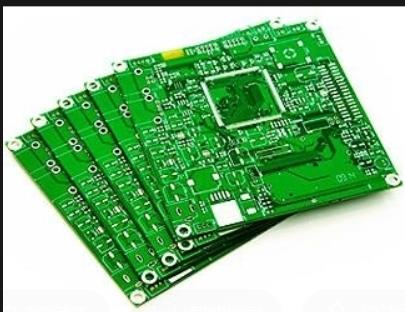
Assembly and Soldering Guide
TG130 assembles cleanly when the thermal profile respects the material. During SMT reflow, control the ramp rate so the board heats gradually, avoid excessive preheat that drives moisture out explosively, and keep the peak temperature and time within the laminate rating to reduce thermal shock. For wave soldering, design for thermal balance so one area of the board does not absorb heat much faster than another. If a board must survive two reflow passes, plan the profile carefully and verify flatness afterward, because each pass consumes a little of the material thermal margin. An assembly partner that understands these limits will deliver flat, reliable boards, and proper PCBA testing will catch the marginal joints before they reach the customer.
TG130 PCB Cost
Pricing depends on layers, copper weight, finish, and volume. Two-layer TG130 boards typically range from about 0.10 to 1.50 dollars per board depending on size and finish, making them one of the most economical options in production. Four-layer TG130 boards run roughly 0.80 to 4.50 dollars per board as complexity and area increase. Large orders earn further discounts, so volume planning pays twice: once in the material price and once in the process efficiency. Compared with high-Tg laminates, TG130 saves real money per board, which is why it remains the default for cost-sensitive consumer hardware.
Quality Testing for TG130 Boards
Reliable suppliers verify the material as well as the circuit. Tg testing confirms the laminate actually meets its rated transition temperature, and thermal cycling exposes boards to repeated hot and cold swings to validate solder joints and layer adhesion. Peel strength tests measure how firmly the copper stays bonded to the substrate, and moisture absorption checks confirm the material was handled and stored correctly. These tests, combined with automated optical inspection on the line, are part of the quality management system that separates dependable production from guesswork. Asking a supplier which material tests it runs is a quick way to gauge how seriously it treats laminate quality.
Is TG130 Suitable for High-Frequency Circuits?
TG130 works well at low and medium frequencies, but it is not a high-frequency material. In RF and microwave designs the dielectric constant of standard FR-4 tends to drift, and impedance control is weaker than with specialty laminates, which makes signal behavior unpredictable above certain frequencies. For radio, 5G, and millimeter-wave circuits, designers specify PTFE, ceramic-filled, or other low-loss materials instead. The practical rule is simple: use TG130 where its thermal and cost profile fits, and step up to a dedicated high-frequency laminate when the design operates where FR-4 electrical properties become unreliable.
When to Upgrade to Higher-Tg Material
Several signs point toward TG150 or TG170. If the product generates sustained heat or operates in a hot enclosure, the extra thermal headroom prevents early failure. If the board will pass through reflow multiple times, for double-sided assembly or rework, a higher Tg resists the cumulative thermal damage. Large power components such as converters, LED drivers, and motor drivers demand the stability of a stronger laminate. Complex stackups of eight layers or more also benefit, because thick multilayer boards warp more easily when their resin softens. Choosing high-Tg material in these situations costs more per board but protects the product, the yield, and the brand.
Frequently Asked Questions
Q1. Can TG130 PCB be used for LED drivers? Yes, for low-power LED circuits, but high-power LED drivers that run hot should use a higher-Tg laminate.
Q2. Is TG130 suitable for automotive use? It works for low-temperature interior electronics, but engine-compartment boards need TG170 or automotive-grade materials.
Q3. Can TG130 survive two reflow passes? Yes, when the temperature profile is controlled and the board stays within the material thermal limits.
Q4. Is higher Tg always better? No, higher-Tg material costs more, so the specification should match the real thermal requirements of the product.
Q5. How much does a TG130 PCB cost? Two-layer boards typically cost 0.10 to 1.50 dollars and four-layer boards 0.80 to 4.50 dollars depending on size, finish, and volume.
Conclusion
TG130 PCB material occupies the sweet spot of the FR-4 family: mature, affordable, and reliable for the moderate thermal demands of mainstream electronics. Understanding its properties, safe operating envelope, and honest limitations lets engineers specify the right laminate instead of guessing, and knowing when to upgrade to TG150 or TG170 protects designs that run hot. With disciplined PCB manufacturing and assembly, a TG130 board delivers dependable performance at a cost that keeps consumer products competitive.