Wearable Display PCB Guide: Design, Cost and Applications
Smart watches, fitness bands, AR glasses, and medical wearables have one thing in common: a small, flexible circuit board that connects the display, sensors, and processor while sipping power. The wearable display PCB is the quiet enabler behind every feature these devices advertise, and it is engineered very differently from the boards inside phones or laptops. This guide introduces the wearable display PCB from the ground up, covering its functions, features, applications, materials, manufacturing, costs, challenges, and how to pick a supplier for a product that must be comfortable, reliable, and affordable.
What Is a Wearable Display PCB?
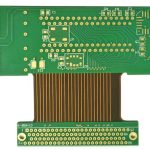
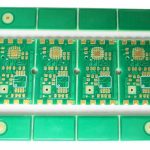
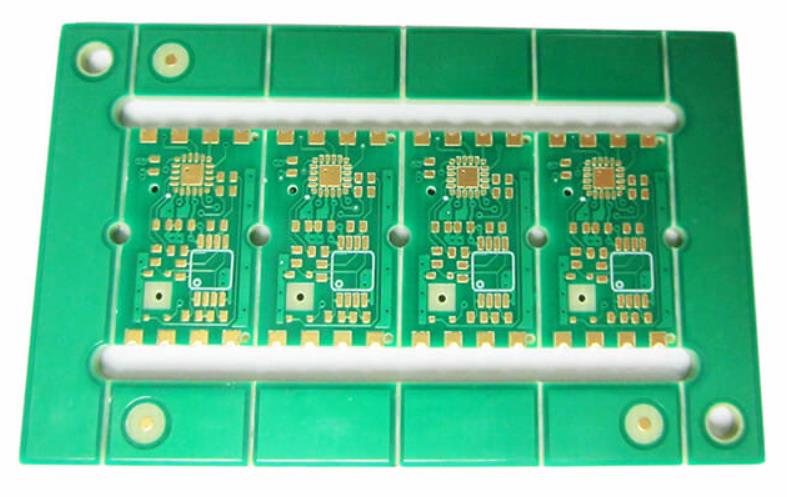
A wearable display PCB is a circuit board designed for wearable devices that include a screen or display module. It acts as the central hub that connects the microcontroller, sensors, display driver, and wireless module while keeping power consumption low enough for battery operation. The board is typically lightweight and flexible so it fits into the curved, compact enclosures of modern wearables. Smart watches, fitness bands, AR glasses, VR headsets, and medical monitoring devices all rely on this type of board, and its design quality determines how thin, long-lasting, and dependable the final product feels.
Key Features of Wearable Display Boards
Several characteristics separate wearable boards from ordinary ones. Flexibility and light weight make the device comfortable to wear all day, with flexible circuits bending around wrists, arms, and frames. Miniaturization packs impressive processing power into a few square centimeters. Low power is built into the architecture, since the display and wireless radio compete for the same battery. Durability and reliability matter because the board must tolerate bending, temperature swings, and mechanical stress through years of daily use. These properties are why flexible wearable PCBs have become a core component of the smart wearable industry rather than a niche specialty.
Common Applications
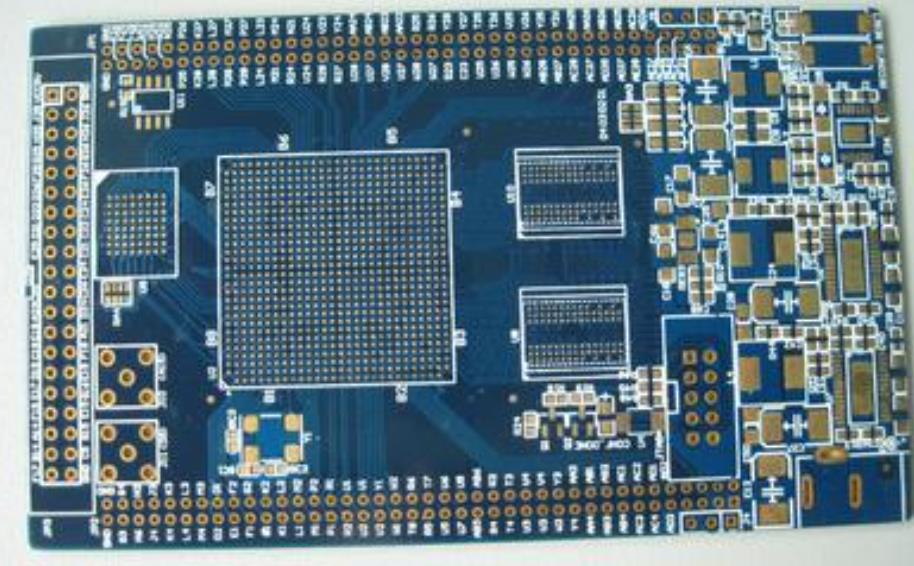
Wearable display boards serve a widening range of products. Smart watches and fitness trackers use them for heart rate monitoring, GPS, notifications, and always-on displays. AR and VR glasses rely on them to process real-time data and drive high-resolution screens without latency. Medical devices such as blood pressure monitors, ECG sensors, and insulin pumps depend on dependable, low-power boards for continuous operation. Smart clothing is emerging in sports and health, embedding flexible electronics directly into textiles. In every case, the board must deliver full functionality within tight size, weight, and power budgets, which is what makes the engineering genuinely difficult.
Materials and Design Considerations
The choice of substrate defines what the board can do. Polyimide is the workhorse of flexible circuits because it withstands repeated bending, high soldering temperatures, and tight fold radii. PET appears in lower-cost applications that need basic flexibility, while advanced designs combine rigid sections with flex in rigid-flex constructions for maximum durability and routing density. Designers must balance several factors at once. Heat resistance matters because components are soldered at high temperature and the finished device runs close to the skin. Signal integrity is critical in compact circuits where display and sensor lines run side by side with the radio. Mechanical strength under bending and twisting determines how long the product survives real use, so the layout must respect minimum bend radii and avoid stress concentrations at component edges.
Manufacturing Process
Producing a wearable display board follows a specialized flow. Design and prototyping come first, using CAD tools to lay out the flexible circuit and validate it with physical samples. Board fabrication then patterns the copper on the flexible substrate through etching, lamination, and coverlay application. Assembly places the chips, sensors, and display connectors with precision equipment that can handle thin, flexible panels, and stiffeners are added where connectors or rigid components need support. Testing and certification verify electrical performance, durability, and compliance with the standards of the target market. A reliable supplier controls every step, because a weak lamination or a cracked trace in a flex circuit is far harder to repair than a fault on a rigid board.
Challenges in Wearable Display Development
Developers face a familiar set of hurdles. Miniaturization forces more function into less space, which pushes designers toward fine-pitch components and dense routing on materials that are harder to work with than FR-4. Energy efficiency is a constant tug-of-war between performance and battery life, since the display and wireless link are major consumers. Durability versus flexibility is the most subtle trade-off: making a circuit more flexible often reduces its mechanical strength, so the design must find the right balance for the specific product and its expected lifetime. Overcoming these challenges requires advanced manufacturing technology, honest prototyping, and experience that cannot be replaced by reading specifications.
Wearable Display PCB Cost
Pricing spans a wide range because the difference between a rigid prototype and a volume flexible board is enormous. Prototype and small-batch runs typically cost 50 to 150 dollars per board, reflecting engineering, tooling, and low yields on complex flex circuits. Large-scale production drops the price dramatically, reaching as low as 2 to 10 dollars per board depending on specifications. The main cost factors are the material type, whether rigid or flexible, the layer count and size, and extra features such as waterproofing or high-frequency signal handling. The fastest ways to control cost are working with an experienced Chinese wearable PCB manufacturer, planning volume production instead of endless single-piece prototypes, and simplifying the design so it needs fewer layers and less exotic processing.
Choosing a Wearable Display PCB Manufacturer
The right partner matters as much as the right design. Look for a manufacturer with genuine wearable electronics experience, which shows in its handling of flexible materials, bend radii, and thin-board assembly. Confirm it offers quality flexible materials such as polyimide and can move from prototype to large-scale production with competitive pricing. Check delivery capability, because small orders typically take 7 to 10 days while volume production needs 3 to 5 weeks, and a supplier that cannot meet your schedule can sink a launch. Verify quality control and certifications, and ask how it tests flexible boards for bending and reliability. A partner with integrated flex PCB assembly experience, supported by strong PCB manufacturing, will deliver boards that meet both the cost and the quality targets of the product.
Design Tips for Wearable Display Boards
A few practices separate smooth projects from painful ones, and most of them belong to disciplined PCB design and layout. Start with a clear electrical architecture so the display interface, sensor buses, and radio are planned before routing begins, and keep the high-speed display lines short and impedance-controlled. Use stiffeners under connectors and large components so repeated flexing does not crack solder joints, and place the flex bends in areas free of components. Design the power tree for the display and radio peaks, since the battery voltage sags during transmit bursts and screen refreshes. Reserve test points that survive the conformal coating or encapsulation used for sweat resistance. Finally, review the design with the factory before tooling, because a bend-radius mistake on a flexible circuit is invisible in a schematic and expensive in prototype.
Power Management in Wearable Displays
Battery life is the spec that wearable users feel every day, and most of it is decided by the power design on the board. The display is often the largest single consumer, especially for always-on watch screens, so the board must support aggressive brightness control, partial-screen updates, and instant wake from sleep. The wireless radio is the other major load, with transmit bursts that can pull several times the average current, which means the power tree needs bulk capacitance near the module and efficient regulators that do not waste the energy between peaks. The sensor system runs continuously in the background, so its rails are kept alive with low-quiescent-current regulators while the heavy processors sleep. Charge management completes the picture: the board carries the charging path, battery protection, and fuel gauge, and it must handle the heat of fast charging inside a tiny enclosure. Designs that treat power as a first-class architecture, rather than an afterthought, are what let fitness bands run for days and smart watches survive a full day of heavy use, and they are central to the Internet of Things PCBA hardware that dominates this market.
Future Trends in Wearable Display PCBs
The market is pushing in clear directions. Ultra-thin, highly flexible substrates are improving comfort for all-day wear. AI and IoT integration is making health and motion monitoring smarter, adding processing power to boards that must still fit in a wristband. Environmental materials are entering the supply chain as brands commit to sustainable electronics, and new display technologies will demand faster, cleaner signal paths. Suppliers that invest in advanced flexible materials, precision assembly, and reliable testing will drive the next wave of wearable design, and product teams that choose them early will bring thinner, longer-lasting devices to market first.
Testing and Quality for Flexible Boards
Flexible circuits fail differently from rigid boards, so testing must match the risk. Dynamic flex testing bends the board repeatedly to its rated radius to confirm that traces and coverlay survive the flexing a wristband or armband experiences every day. Thermal testing cycles the board through hot and cold while powered, exposing weak solder joints and lamination voids that appear only under stress. Display testing verifies that the panel lights evenly, responds quickly, and shows no artifacts from the board routing, and sensor testing confirms the biometric and motion readings stay accurate with the board assembled in its final folded shape. Radio testing checks that the antenna still performs inside the actual enclosure, because a ground plane that works on a flat bench board may detune completely when folded into a watch. These checks are the core of a serious PCBA testing program, and brands that skip them discover the failures at the customer wrist instead of at the factory.
Frequently Asked Questions
Q1. How much does a wearable display PCB cost? Prototype runs cost about 50 to 150 dollars per board, while large-scale production can bring the price down to 2 to 10 dollars per board.
Q2. How long does manufacturing take? Small-batch orders typically take 7 to 10 days, while volume production requires 3 to 5 weeks depending on complexity.
Q3. Can a damaged flexible wearable PCB be repaired? Small repairs such as re-soldering a pad are sometimes possible, but for most products replacing the board is more economical and reliable.
Q4. Which industries use wearable display PCBs? Consumer electronics, medical technology, fitness, AR and VR, and smart clothing are the main users.
Q5. What material is best for a flexible wearable PCB? Polyimide is the standard choice for its flexibility, heat resistance, and durability, while PET suits lower-cost applications.
Conclusion
The wearable display PCB is the foundation of modern wearable electronics, connecting the screen, sensors, and intelligence inside a package people wear every day. Its light, flexible, low-power design is what makes smart watches, AR glasses, and medical wearables possible at all. Understanding the materials, costs, manufacturing steps, and design rules helps teams choose boards that balance price and performance, and partnering with an experienced manufacturer ensures the quality and delivery that turn a wearable concept into a successful product.