Smart Glasses PCB Cost Guide: Price Factors and Sourcing Tips
Smart glasses have become one of the most talked-about products in consumer electronics, combining cameras, displays, sensors, and wireless connectivity inside a frame that must still look and feel like eyewear. Behind that trick sits the smart glasses PCB, an ultra-compact circuit board that connects and controls every function. For OEM brands and startups planning a smart glasses product, understanding the cost structure of this board is essential, because the electronics often decide whether the product can hit its retail price. This guide explains what a smart glasses PCB is, the materials and design choices, realistic price ranges in 2025, regional differences, extra costs to budget for, and how to reduce manufacturing expense without cutting quality.
What Is a Smart Glasses PCB?
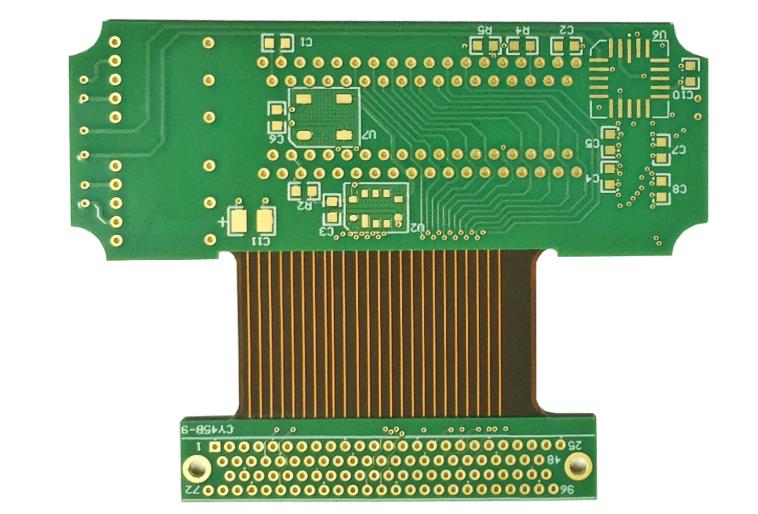
A smart glasses PCB is the core electronic control board of a wearable eyewear product. It connects and manages the components that make glasses smart: motion and gesture sensors, Bluetooth and Wi-Fi modules, battery management, and the circuits that keep the display and audio synchronized. Because the frame is thin and curved, most smart glasses use flexible or rigid-flex boards that bend around the lens area and temple arms. These constructions typically carry six to ten layers of circuitry, require high-precision drilling, and rely on micro-spacing assembly, which is why they cost more to build than the flat boards inside a phone.
Materials and Design Cost
Material choice drives a large share of the board cost. Rigid FR-4 boards run about 20 to 30 dollars per board and suit simple designs where the electronics can live in a flat section of the frame. Polyimide flexible material costs more, roughly 35 to 50 dollars, because it must survive repeated bending and uses more complex lamination and high-temperature processes. Rogers and hybrid high-frequency materials, used where antenna performance is critical, push prices to 45 to 60 dollars. For most smart glasses projects, a mid-range rigid-flex design in the 35 to 45 dollar band offers the best balance of flexibility, durability, and cost. Engineering teams can also reduce spending by optimizing the layer count and routing during design, which typically saves 10 to 15 percent at the prototype stage.
Factors That Affect Smart Glasses PCB Cost
Several elements combine to set the final price. The material type is the largest factor, from economical FR-4 to premium polyimide and high-frequency laminates. Layer count and board size follow, because more layers and larger panels mean more material and processing. High-density interconnect technology adds laser-drilled micro-vias and finer traces that enable the compact layout but require advanced equipment. The assembly process matters too, since micro components need precision placement, and yields depend on the factory experience with tiny parts. Finally, the electrical and functional testing depth influences both cost and reliability, and the best projects treat testing as an investment rather than an expense.
Smart Glasses PCB Price Ranges in 2025
Current pricing separates cleanly by production stage. Prototype runs for development and functional validation cost about 30 to 80 dollars per board because engineering and tooling are spread across a handful of units. Small-batch production for market testing or pilot runs drops to 10 to 25 dollars per board. Volume production brings the real economies of scale, landing most designs at 3 to 8 dollars per board in China. Flexible boards typically cost 20 to 40 percent more than rigid equivalents at every stage because of materials and process complexity. These numbers show why design maturity matters: a product that needs many prototype iterations pays the highest prices at the stage when changes are most common.
China versus Global Pricing
Manufacturing location has a large effect on smart glasses board cost. Chinese suppliers offer the lowest prices, typically 3 to 8 dollars per board in volume, supported by a mature supply chain, experienced labor, and highly automated lines. American manufacturers average 12 to 20 dollars, and European suppliers run 15 to 30 dollars with longer lead times and a more limited wearable supply chain. Even after adding shipping, sourcing from China can save 50 to 60 percent for a wearable brand. The savings come from real industrial advantages rather than lower quality, which is why most global smart glasses hardware is manufactured in Asia regardless of where the brand is based.
How Manufacturers Reduce Smart Glasses PCB Cost
Efficient factories lower the cost in several concrete ways. An in-house fabrication and SMT line removes the outsourcing margin, typically saving 5 to 10 dollars per board. Centralized material purchasing cuts laminate and component costs by 10 to 20 percent. A free design-for-manufacturability review catches layout problems before tooling, eliminating the expensive rework that quietly inflates prototype budgets. Flexible minimum order quantities, such as five to ten boards for prototypes, let startups validate without overcommitting. When design, fabrication, and assembly are handled by one partner, the logistics and management overhead drops as well, which is worth roughly 20 dollars per batch for small and medium brands.
Additional Costs for Smart Glasses OEMs
The bare board is only part of the project budget. Design revisions and repeated prototyping typically add 2 to 4 dollars per board across the development cycle. Key components such as the processor, sensors, and wireless chips add about 3 to 6 dollars per unit. Functional testing and certification for markets such as CE and RoHS can add 2 to 10 dollars per board depending on the requirements. Consolidating design, production, and assembly at one supplier reduces logistics and management costs significantly, which is especially valuable for small teams that do not have dedicated supply chain staff.
Tips to Reduce Smart Glasses PCB Assembly Cost
Cost control follows practical rules that apply at any company size. Optimize the circuit layout to reduce layer count and routing length, because every layer removed saves material and process cost. Use cost-effective FR-4 during the prototype phase when flexibility and thermal requirements are not yet proven. Choose a Chinese supplier that offers integrated production and assembly so the boards do not travel between vendors. Plan the production volume early, because larger orders unlock pricing tiers that small urgent orders never see. Applying these strategies keeps total cost under control without sacrificing the performance that makes the product competitive.
Designing for the Eyewear Form Factor
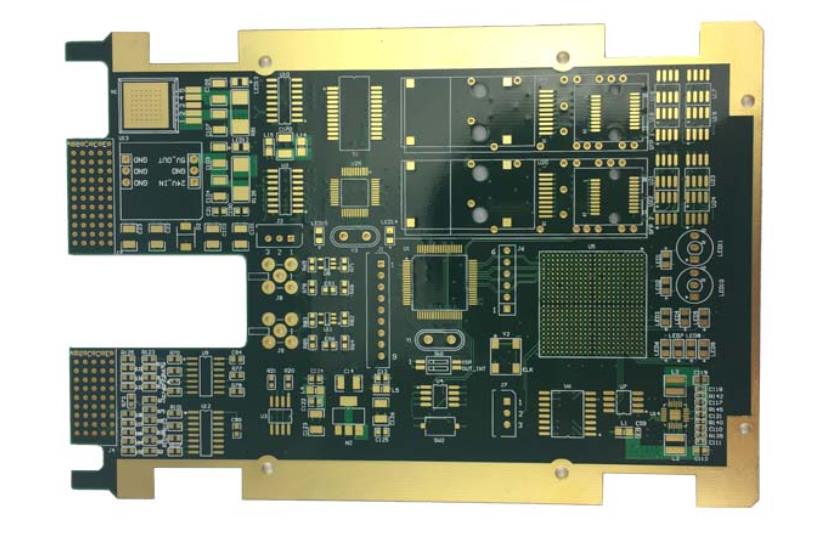
Smart glasses place unusual demands on the electronics. The board must fit inside temple arms that are only a few millimeters thick, so components are stacked and routed with extreme care. Thermal design is challenging because there is almost no airflow around a user face, and the processor and display driver generate heat that must spread through the thin board into the frame. Antenna performance suffers when metal frames or hinges interrupt the ground plane, so the layout must reserve clean space for the Bluetooth and Wi-Fi antennas. Battery management is safety-critical in a product worn against the skin, requiring protection circuits and careful charging design. These constraints push smart glasses toward rigid-flex and HDI construction, and they are handled during a disciplined PCB design and layout process that treats every millimeter as valuable.
Choosing a Smart Glasses PCB Manufacturer
Supplier selection should focus on wearable experience. Confirm the factory builds flexible and rigid-flex boards as core capability rather than a sideline, since bending radius, stiffener placement, and layer alignment are specialized skills. Ask about HDI and micro-assembly capability, and check the precision of its SMT lines for tiny packages. Verify quality certifications and inquire whether electrical testing is included in the quote or billed separately, because advanced functional testing typically adds 1 to 3 dollars per board. Compare prototype minimums, lead times of roughly 7 to 15 working days, and volume pricing transparently. A partner that combines PCB manufacturing with PCB assembly and testing shortens the development loop and keeps quality control in one place, and one with proven experience in flex PCB assembly will save the project from the classic wearable mistakes.
Optical and Display Integration
A large share of smart glasses cost and complexity lives in the optical and display system, and the board must support it electrically and mechanically. Display modules such as micro-OLED panels or waveguide projectors need clean, high-speed video interfaces with controlled impedance and tight timing, because any glitch appears as a visible artifact in front of the user eye. The display driver circuits generate their own heat and noise, so they are placed and filtered carefully away from the sensitive antenna and audio sections. Camera modules used for photography or gesture tracking add their own high-speed lanes and power rails, and the audio system, with its microphones and bone-conduction or speaker drivers, requires low-noise analog design in a space full of digital switching. The board often carries the connectors and flex tails that link these modules, and each connection point is a potential failure in a product that is flexed and worn every day. Planning the electrical architecture together with the optical module selection, rather than treating them as separate projects, avoids the layout compromises that force expensive redesigns later in the program.
Quality and Certification for Wearables
Smart glasses are worn against the skin and near the eyes, which raises the quality bar beyond ordinary gadgets. Skin-contact products need materials and finishes that do not cause irritation, and the assembly must be clean enough for daily wear. Battery safety is regulated because the product is carried on the face, so protection circuits, charging validation, and thermal testing are non-negotiable. Wireless certifications for Bluetooth and Wi-Fi vary by market, and the antenna performance measured in the final frame, not on a bare board, is what regulators and users actually experience. Functional testing of the display, cameras, sensors, and audio path should be performed on every unit or on a statistically meaningful sample depending on the product class. A manufacturer that documents these checks and supports certification with clean test data turns a good design into a product that can be sold internationally, and this is the point where brands discover whether their chosen partner can deliver wearable-grade quality or only prototype-grade boards.
Frequently Asked Questions
Q1. What is the minimum order quantity for smart glasses PCBs? Most manufacturers accept prototype orders as small as five to ten boards so the design can be validated before volume production.
Q2. How long does smart glasses PCB production take? Lead time is typically 7 to 15 working days depending on layer count, materials, and order quantity.
Q3. Can manufacturers build flexible and rigid-flex smart glasses PCBs? Yes, experienced wearable suppliers specialize in flexible and rigid-flex boards designed for thin, curved frames.
Q4. Are there extra testing or inspection fees? Basic electrical testing is usually included in the quote, while advanced functional testing may add 1 to 3 dollars per board.
Q5. How can a startup reduce smart glasses development cost? Use FR-4 in early prototypes, minimize layers, work with a single supplier for design, fabrication, and assembly, and plan volume pricing early.
Conclusion
Smart glasses PCB cost depends on materials, design complexity, and order volume, with 2025 pricing ranging from about 3 dollars per board in volume production to 60 dollars for complex prototype builds. Understanding the cost structure, regional advantages, and the extra expenses of components, testing, and certification lets brands plan realistic budgets. With a manufacturer experienced in flexible and rigid-flex wearable boards, backed by DFM support and integrated assembly, a smart glasses product can reach the market with the quality it needs and the cost structure it deserves.