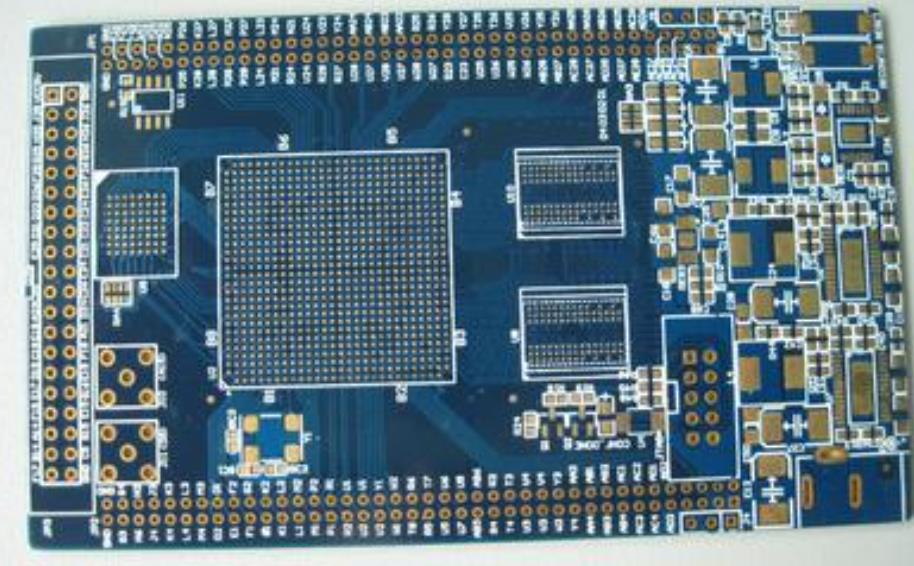
What Is a Ceramic PCB? 2026 Complete Beginner Guide
Why Ceramic PCBs Matter in 2026
As high-power and high-frequency electronics grow, heat and reliability have become the biggest design challenges. Traditional FR4 boards struggle in hot and high-voltage environments, while a ceramic PCB, built on a ceramic substrate such as alumina or aluminium nitride, offers far better thermal performance and stability. That makes it a key solution in LED lighting, power modules, automotive electronics, RF and aerospace systems.
This guide explains what a ceramic PCB is, the materials and types available, how it compares with FR4 and aluminium boards, what it costs in 2026, and how to choose the right product and manufacturer.
What Is a Ceramic PCB?
A ceramic PCB is a printed circuit board that uses a ceramic material as the substrate and forms the conductive pattern through a direct bonding or deposition process. The ceramic base gives the board high thermal conductivity, excellent electrical insulation, a low thermal expansion coefficient that matches the chip, and strong resistance to heat and corrosion.
Typical ceramic materials are alumina and aluminium nitride. The core benefit is heat management, which is why ceramic boards are used in high-power, high-reliability devices.
Ceramic PCB Materials
Alumina ceramic PCB (Al2O3). Low cost and the most widely used option, with a thermal conductivity of about 20 to 30 W/mK. It fits ordinary electronics and general power applications.
Aluminium nitride ceramic PCB (AlN). Much higher thermal conductivity, around 170 to 230 W/mK. It is the first choice for high-power and LED applications, but it costs more.
Beryllium oxide ceramic PCB (BeO). Very high thermal conductivity, but it is used less because of toxicity concerns in processing and disposal.
Ceramic PCB Types
DBC ceramic PCB (direct bonded copper) is built for large power modules. DPC ceramic PCB (direct plated copper) suits high-precision circuits. Thick film ceramic PCB is low cost and structurally simple, while thin film ceramic PCB offers high accuracy for RF circuits. Multilayer ceramic PCB supports complex, high-density designs and is used in advanced applications.
Advantages of a Ceramic PCB
Ceramic boards deliver excellent heat dissipation, which solves overheating problems. They also offer high insulation strength for safety, strong mechanical stability against thermal shock, superior high-frequency performance with low signal loss, and a long service life. In short, they handle the tough conditions that FR4 cannot.
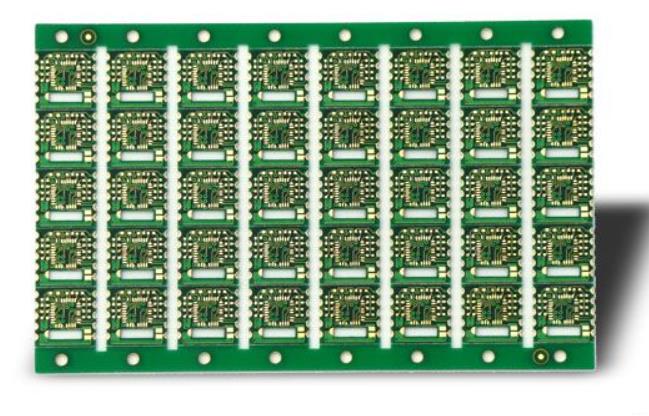
Ceramic PCB vs Traditional PCB
Across key properties, the ceramic PCB stands out. Thermal performance is very high compared with low for FR4 and medium for aluminium. Cost is higher than both. High-frequency performance is excellent, where FR4 and aluminium are average. Reliability is very high, while FR4 is average and aluminium is moderately high. So ceramic is the choice when heat, frequency or reliability is the limiting factor.
Ceramic PCB Applications
Ceramic PCBs are common in LED lighting and high-power modules such as IGBT and power converters, electric vehicles and ADAS, aerospace equipment, RF and microwave circuits, and medical electronics. Any product that puts large current or high frequency into a small space benefits from a ceramic substrate.
Ceramic PCB Manufacturing Process
The process starts with ceramic substrate preparation, then pattern generation through DBC, DPC or printing, followed by metallisation, surface finish such as immersion gold or silver, and finally electrical and reliability testing. At gopcb we use advanced equipment and a mature process to deliver high precision, reliability and fast turnaround on ceramic boards.
Ceramic PCB Design Tips
Optimise the thermal path, choose the right material between AlN and alumina, use wide traces for high-current areas, avoid sharp corners for reliability, and consider a multilayer design for high-density applications. Keep the copper and ceramic layers balanced so the board does not crack during thermal cycling.
When you are ready, hand the design to a PCB manufacturing partner that understands ceramic materials, follow PCB design and layout best practices, and pair it with a reliable high-volume PCB assembly service.
2026 Ceramic PCB Price
As a 2026 reference, an alumina ceramic PCB prototype runs about 10 to 50 US dollars per board, with volume pricing from about 0.50 to 5 dollars per piece. An AlN ceramic PCB prototype runs about 50 to 200 dollars per board, with volume from about 5 to 20 dollars. A multilayer ceramic PCB is priced above 100 dollars for prototypes and quoted by design for volume.
The main price drivers are material type, layer count and board size, and process complexity. AlN costs more than alumina. To reduce cost, choose alumina where possible, simplify the layer count and use volume production to lower the unit price.
How to Choose a Ceramic PCB Manufacturer
Look for production experience and technical capability, certifications such as ISO, UL and RoHS, fast prototyping and reasonable lead time, and strong engineering support. A good manufacturer should offer custom ceramic PCB solutions, high-precision processing, stable quality and competitive pricing.
Pros and Cons
Pros. Excellent heat dissipation, high reliability and a great fit for high-end applications. Cons. Higher cost, more complex processing and no flexibility. Use ceramic where performance matters most, and a cheaper FR4 or aluminium board where it does not.
2026 Trends
Demand is rising from electric vehicles, 5G and high-frequency communication, multilayer ceramic technology, and high-power modules. As power density and frequency keep climbing, ceramic PCBs will play a bigger role in the electronics that run our networks and vehicles.
FAQ
What is the difference between AlN and alumina ceramic PCB? AlN conducts heat better but costs more, while alumina offers better value for money.
Is a ceramic PCB better than FR4? It is clearly better in high-temperature and high-power applications.
How much does a ceramic PCB cost? In 2026 the price runs roughly from 10 to over 200 US dollars depending on material and design.
Can you make a multilayer ceramic PCB? Yes, it is available for high-end, complex designs.
Which industries use ceramic PCBs? Automotive, medical, LED, RF, aerospace and power electronics.
Conclusion
Ceramic PCBs combine high thermal conductivity, high reliability and excellent electrical performance, which makes them a critical substrate for high-end electronics. Although they cost more than traditional boards, their value is irreplaceable in high-performance applications. If you need a dependable ceramic PCB manufacturer, gopcb is a trustworthy partner.