Why Do RF PCBs Prefer Rogers Materials?
In RF (Radio Frequency) hardware design, the choice of PCB substrate material directly affects signal performance, reliability, and overall system efficiency. Among various substrate options, Rogers PCB material has become one of the most preferred choices for demanding RF applications.
This preference is not accidental. It comes from the excellent electrical properties, environmental stability, and long-term reliability that Rogers PCB material provides. From maintaining signal integrity to ensuring stable operation under challenging conditions, high-performance substrate materials play a critical role throughout the entire lifecycle of RF equipment.
For engineers designing advanced communication systems, radar equipment, and wireless devices, selecting the right PCB substrate material is essential to achieving consistent and reliable performance.
Superior Signal Transmission: Reducing High-Frequency Signal Loss and Distortion
RF signals operate at extremely high frequencies and are highly sensitive to transmission losses, interference, and waveform distortion. Therefore, a suitable high frequency PCB substrate must provide excellent electrical performance to maintain signal accuracy.
Compared with conventional FR-4 materials, which may experience higher dielectric losses at high frequencies, Rogers PCB material is specifically engineered for applications requiring stable electrical characteristics. Its controlled dielectric properties help minimize insertion loss and signal attenuation, allowing RF signals to maintain their original strength and waveform during transmission.
This advantage is especially important in applications such as wireless communication systems, satellite equipment, radar platforms, and 5G infrastructure, where even minor signal degradation can affect system accuracy and efficiency.
Manufacturers specializing in advanced PCB manufacturing services can help engineers select suitable materials and production processes to achieve optimized RF performance.
Strong Electromagnetic Resistance: Protecting Signals in Complex RF Environments
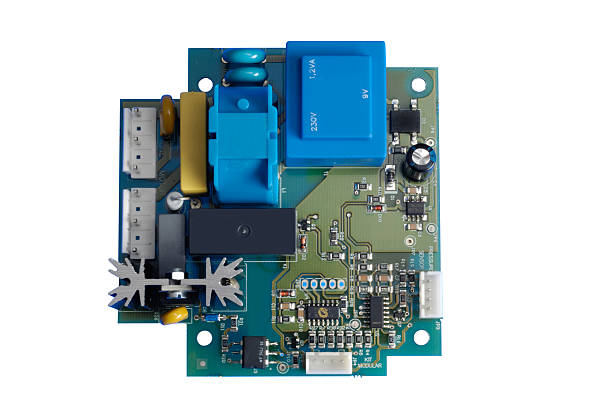
Electromagnetic interference (EMI) is one of the biggest challenges in RF system design. Modern electronic environments often contain multiple high-frequency signals operating simultaneously, increasing the risk of signal interference and crosstalk.
A high-quality PCB substrate material helps create a stable transmission environment by controlling electromagnetic characteristics and reducing unwanted interference. Rogers PCB material offers excellent dielectric stability and predictable electrical performance, enabling RF circuits to maintain consistent operation even in complex electromagnetic environments.
For example, communication stations, aerospace systems, and industrial wireless equipment often operate in environments where multiple devices transmit signals simultaneously. Using advanced materials helps reduce interference between circuits and improves overall system reliability.
In addition, professional multilayer PCB manufacturing capabilities allow designers to integrate advanced RF structures, shielding layers, and controlled impedance designs for improved electromagnetic performance.
Excellent Environmental Performance: Maintaining Stability Under Extreme Conditions
RF equipment is frequently deployed in demanding environments, including outdoor communication towers, aerospace systems, automotive electronics, and industrial applications. These environments may involve temperature fluctuations, humidity, vibration, and long-term operation.
Unlike ordinary substrate materials that may experience performance degradation under harsh conditions, Rogers PCB material provides excellent thermal stability, moisture resistance, and dimensional stability.
Its low thermal expansion characteristics help prevent issues such as warping, cracking, and changes in electrical properties during temperature cycling. This ensures that RF circuits continue to deliver reliable performance even under challenging operating conditions.
For applications requiring long-term durability, choosing suitable high frequency PCB materials is a key factor in improving product lifespan and reducing maintenance requirements.
High Consistency and Reliability: Ensuring Long-Term RF Performance
Beyond electrical performance, consistency and reliability are also critical factors in RF PCB production.
RF systems are extremely sensitive to variations in material properties. Small differences in dielectric constant, thickness, or manufacturing quality can affect impedance control and overall circuit performance.
High-quality PCB substrate material suppliers maintain strict manufacturing standards to ensure stable material characteristics across different production batches. This consistency allows manufacturers to produce RF circuits with predictable performance and improved production yield.
For companies requiring reliable PCB solutions, working with experienced suppliers such as custom PCB assembly services providers can ensure better quality control from prototype development to mass production.
Why Rogers Materials Are Widely Used in RF PCB Applications
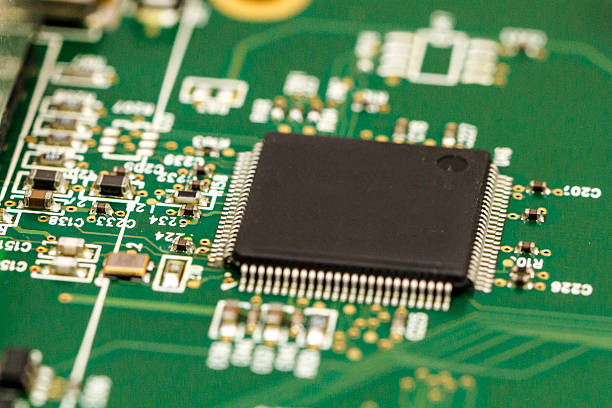
Overall, the popularity of Rogers PCB material in RF applications comes from its ability to meet the strict requirements of modern high-frequency electronics.
Its advantages include:
- Excellent electrical performance for high-frequency signal transmission
- Reduced signal loss and waveform distortion
- Improved electromagnetic interference resistance
- Stable performance under temperature and humidity changes
- High material consistency and long-term reliability
As wireless communication, radar technology, automotive electronics, and aerospace systems continue to evolve, the demand for advanced RF PCB solutions will continue to grow.
Selecting the right substrate is not only a technical decision but also a key factor in ensuring the performance, reliability, and lifetime of RF electronic products.
Conclusion
The reason RF engineers prefer Rogers materials is fundamentally related to their ability to provide superior electrical performance and reliable operation in demanding environments.
Compared with standard PCB materials, high frequency PCB solutions using advanced substrates offer better signal integrity, stronger environmental resistance, and improved consistency.
For companies developing next-generation RF products, choosing the right PCB substrate material and partnering with an experienced PCB manufacturer are essential steps toward achieving stable and high-performance electronic systems.
About gopcba
gopcba provides professional PCB manufacturing and assembly solutions for global customers, supporting high-performance applications including RF electronics, communication systems, industrial equipment, and advanced electronic products. With expertise in precision manufacturing and quality control, gopcba helps customers achieve reliable PCB solutions from prototype development to volume production.