Zero-Defect PCBA Manufacturing: Quality System Guide
Zero-defect PCBA manufacturing is a quality approach that tries to prevent defects rather than simply repair them after assembly. The goal is not an unrealistic promise but a system of design review, clean production, automated inspection, engineering support, and traceability that keeps defects from reaching the customer. In the PCB assembly industry, quality affects reliability, product approval, delivery schedule, and total cost. A factory that follows a zero-defect philosophy builds quality into every process step instead of relying on final sorting.
This guide explains the practices behind zero-defect PCBA production and how customers can evaluate a supplier’s quality system.
The target should also include the customer’s definition of quality, including visual appearance, functional limits, and documentation requirements. Cosmetic requirements, solder joint appearance, functional test limits, and packaging rules may differ between projects. The supplier must understand these before defining its internal acceptance standard.
Zero-defect does not mean that defects never occur. It means that defects are treated as process failures rather than normal output. Each issue is investigated, corrected, and prevented from recurring in the next lot.
What Does Zero-Defect Mean in PCBA?
Zero-defect means that every board is produced and checked against the same strict acceptance criteria. In practice, the manufacturer may use a mix of 100 percent inspection, functional test, and process control to achieve a very low escape rate.
The philosophy begins with design. A board that is difficult to manufacture will always produce more defects than one that has been reviewed for manufacturability.
It also includes material control, because a bad component cannot be improved by a good assembly process.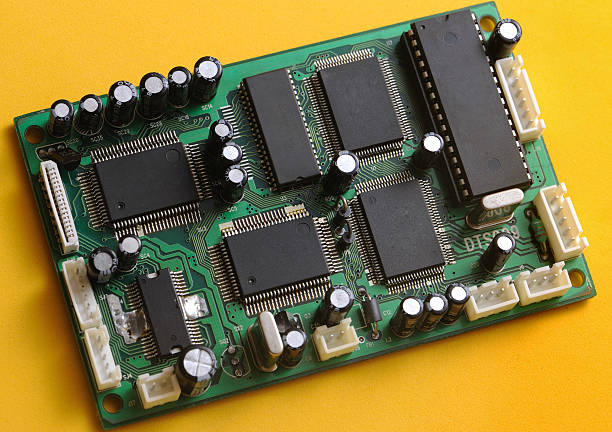
In practice, the factory may use a mix of 100 percent inspection, functional test, and process control to achieve a very low escape rate. The philosophy begins with design because a board that is difficult to manufacture will always produce more defects than one that has been reviewed for manufacturability.
Quality Begins with Design Review
The factory should review the PCB layout, BOM, stackup, component footprints, and test access before production. DFM analysis identifies risks such as insufficient spacing, difficult solder joints, or unsupported heavy components.
Engineering support can also improve reliability. Selecting the correct material, finish, and component grade prevents many defects that would appear during environmental testing or field use.
When the customer works with the supplier during design, the project starts with a higher level of confidence.
Component storage conditions are part of the same quality environment. Moisture-sensitive parts should be kept in dry cabinets, solder paste should be stored at the correct temperature, and open reels should be protected from contamination.
Clean Production Environment
Dust, static, and uncontrolled temperature can cause defects in electronic assemblies. A cleanroom or controlled production area reduces contamination on solder pads and component surfaces.
ESD control is essential when handling ICs and sensitive components. Flooring, wrist straps, ionizers, and packaging should prevent static damage.
The production environment should also be stable enough for high-precision placement and soldering.
Placement machines should be calibrated to the correct accuracy for the smallest component on the board. Feeder positions, nozzle condition, and vision systems should be checked before every production run and monitored while the line is running.
Automated SMT Production Lines
High-speed SMT lines improve consistency because placement is performed by machines with controlled accuracy. The lines should include solder paste printers, high-precision placement machines, and reflow ovens with a defined profile.
Double-sided boards may require adhesive or a second reflow process. The factory should have equipment and procedures that support both sides reliably.
Automated production is an important foundation for zero-defect output, but the equipment must be calibrated and maintained.
Stencil cleaning and paste viscosity should also be controlled. A clogged aperture can create missing paste, while old paste can print unevenly. The SPI system will detect these conditions if the process is properly managed.
Solder Paste Inspection
Solder paste is the beginning of every soldered joint. 3D SPI measures paste height, area, volume, and position on each pad before components are placed.
If the paste volume is outside the range, the system can identify the pad before expensive components are added. This prevents many bridges and insufficient solder defects.
SPI data also allows the printer to be adjusted quickly when the process begins to drift.
Inspection programs should be updated whenever the board design changes. An AOI program built for revision A may not recognize the correct component positions in revision B.
AOI and X-Ray Inspection
After placement and reflow, AOI checks visible components and solder joints. It detects missing parts, wrong orientation, bridges, and poor joints.
For BGAs, QFNs, and other hidden joints, X-ray inspection is used to verify the internal solder connection. Voids, bridges, and missing balls can be identified before the board moves to test.
The inspection plan should be matched to the board complexity and the customer’s reliability requirements.
In-process checks should be documented so the quality team can see whether the process remained stable during the entire run. A change in defect rate between the beginning and end of the lot may indicate equipment drift or material variation.
First Article and In-Process Checks
First article inspection confirms that the production setup matches the design before the full run starts. This prevents a small setup error from being repeated across many boards.
In-process checks should continue during the run. If placement, paste, or reflow data changes, the quality team can respond before the defect rate increases.
These checks are part of a larger quality flow that includes incoming material, assembly, and final test.
Test fixtures and programs should be validated before production. If the test station is not capable of measuring the required values, the factory cannot confirm that the board meets the specification.
Functional and Reliability Testing
Functional test proves that the assembled board works when power and signals are applied. It verifies power, communication, outputs, and other product functions.
Reliability tests such as thermal cycling, humidity, or vibration may be used for high-risk products. They evaluate whether the board will survive the operating environment.
The combination of automated inspection and functional test provides a much stronger quality result than inspection alone.
Corrective action should include containment of the affected material, analysis of the root cause, a permanent fix, and verification that the fix works. The quality team should follow up on the next lot to confirm the improvement.
Engineering and Failure Analysis
A zero-defect system should include failure analysis. When a defect does occur, the team must find the root cause and correct the process, design, material, or equipment problem.
Failure analysis may include electrical measurement, microsection, X-ray, or chemical analysis. The result should be recorded so the same issue does not return.
Suppliers that perform failure analysis improve over time instead of simply replacing defective boards.
Quality records also help the customer. If a field failure occurs, the manufacturer can use the records to identify the affected lot, evaluate the cause, and plan corrective action without stopping all product deliveries unnecessarily.
Traceability and Quality Records
Every board should be traceable to its production date, assembly line, material lots, and test result. Traceability helps identify the source of a defect and supports customer audits.
The factory should maintain quality records for inspection, testing, repair, and corrective action.
Digital records are especially useful for products with a long service life or regulatory requirements.
A zero-defect philosophy also reduces the cost of returns and repairs. When boards arrive with consistent quality, the customer can use them immediately instead of spending time on incoming rework.
How Customers Benefit
Customers receive fewer defective boards, less rework, faster approvals, and lower total cost. A zero-defect supplier can provide the quality data needed to trust the delivered product.
For safety-critical products such as medical devices, automotive controllers, or industrial equipment, this confidence is essential.
A reliable zero-defect program is more valuable than a low quotation that does not include the cost of quality.
Review the supplier’s key quality metrics such as first-pass yield, defect rate, repair rate, and on-time delivery. These numbers show whether the zero-defect philosophy is reflected in real production results.
Evaluating a PCBA Supplier
Ask about the supplier’s equipment, cleanroom condition, inspection stages, test coverage, failure analysis, and quality records. Review how it handles customer-specific requirements and design changes.
Combining PCB manufacturing, SMT PCB assembly, and PCBA testing under one quality management system makes the zero-defect approach easier to control.
Communication is also part of the quality system. The customer and supplier should agree on drawings, specifications, inspection levels, and test requirements before the first production run so the factory does not make assumptions.
Quality audits by the customer can also verify that the supplier’s zero-defect system is active. The audit should review equipment records, inspection data, corrective actions, and the actual condition of the production area.
Conclusion
Zero-defect PCBA manufacturing is achieved through design review, clean production, automated equipment, inspection, testing, failure analysis, and traceability. It is not a single final check.
By selecting a supplier that follows this philosophy, customers can reduce risk, improve delivery, and build products with higher reliability.