Turnkey PCB Assembly Services | PCB Manufacturing & Component Sourcing
A successful electronics project requires more than simply assembling components onto a circuit board. Customers often need PCB fabrication, component procurement, assembly, inspection, testing, and delivery to be coordinated through one efficient manufacturing process. turnkey PCB assembly provides an integrated solution that reduces supplier management, simplifies procurement, and helps shorten overall production time.
With a turnkey approach, customers can work with one manufacturing partner for the major stages of PCB production, from engineering review and material preparation to assembly and final inspection. This model is suitable for startups, engineering teams, OEMs, product developers, and businesses that need a dependable electronics manufacturing partner.
For projects that require both board fabrication and assembly, our PCB Manufacturing capabilities can be integrated into the overall production process.
What Is Turnkey PCB Assembly?
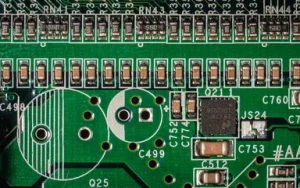
Turnkey PCB assembly is a comprehensive manufacturing service in which the supplier manages most or all of the processes required to produce a completed PCB assembly. Depending on the project requirements, this can include PCB fabrication, component procurement, SMT assembly, through-hole assembly, inspection, testing, and shipment.
Instead of coordinating several suppliers independently, customers can provide their engineering and production files to a single manufacturing partner. The supplier then coordinates material purchasing, production planning, assembly, quality control, and delivery.
A typical turnkey PCB assembly project may include:
- PCB fabrication and material preparation
- component sourcing from qualified suppliers
- Surface mount technology (SMT) assembly
- Through-hole component assembly
- Mixed-technology PCB assembly
- Solder paste inspection and automated optical inspection
- X-ray inspection for suitable components and solder joints
- Electrical and functional testing
- Final inspection, packaging, and shipment
This integrated approach can simplify project management while improving production consistency.
Types of Turnkey PCB Assembly
Full Turnkey PCB Assembly
Full turnkey production means the manufacturing partner manages the major procurement and production requirements. This typically includes sourcing the bare PCB, purchasing components, assembling the board, performing inspections and tests, and preparing the finished assemblies for delivery.
Full turnkey production is particularly useful when customers do not want to maintain their own component inventory or coordinate multiple suppliers. It can also simplify purchasing for complex BOMs containing a large number of electronic components.
Partial Turnkey PCB Assembly
Partial turnkey assembly allows customers to provide selected components or materials while the manufacturer purchases the remaining items.
For example, a customer may supply proprietary ICs, connectors, special components, or existing PCB inventory while the manufacturer handles the remaining procurement and assembly requirements.
This approach provides greater flexibility for projects involving customer-owned materials, controlled components, or parts that require a specific approved source.
Kitted or Consigned PCB Assembly
For some projects, customers provide the complete component kit while the manufacturer focuses on production, assembly, inspection, and testing. This model is suitable when customers already have established component suppliers or maintain their own inventory.
What Files Are Required for Turnkey PCB Assembly?
Providing accurate and complete manufacturing documentation is essential for a smooth production process. The exact requirements depend on the PCB design and assembly technology, but most projects require several key files.
Bill of Materials (BOM)
The BOM is one of the most important documents for turnkey production. It should include manufacturer part numbers, reference designators, quantities, descriptions, and approved alternatives where applicable.
A well-prepared BOM helps the purchasing team identify the correct components and reduces the risk of procurement errors.
Gerber Files
Gerber files provide the information required to manufacture and verify the PCB. Depending on the project, the manufacturing package may include copper layers, solder mask, silkscreen, board outline, and other fabrication data.
Gerber files also allow the engineering team to compare the PCB design with the assembly documentation before production.
Pick-and-Place File
The pick-and-place file provides component location and orientation information required by automated SMT assembly equipment. It normally includes reference designators, X/Y coordinates, rotation, and component information.
Accurate placement data helps reduce programming errors and improves assembly efficiency.
Assembly Drawings and Other Documentation
Assembly drawings, schematics, test specifications, programming files, and special manufacturing instructions may also be required depending on the complexity of the project.
Providing a complete manufacturing package allows engineers to perform an effective review before production begins.
How Does Turnkey PCB Assembly Work?
A well-organized turnkey project normally follows a series of controlled production stages.
1. Engineering Review
The manufacturing team reviews the BOM, Gerber files, pick-and-place data, drawings, and other project documentation. DFM and DFA considerations can be evaluated to identify potential manufacturing or assembly problems before production.
2. Component Sourcing
After the documentation is approved, the purchasing team begins component sourcing based on the approved BOM.
Component availability, manufacturer part numbers, lead times, lifecycle status, and approved alternatives should be reviewed carefully. Reliable sourcing helps reduce production delays caused by shortages or obsolete components.
3. PCB Manufacturing
The bare boards are fabricated according to the approved PCB specifications. Depending on the design, requirements may include multilayer construction, controlled impedance, special materials, surface finishes, or other PCB technologies.
4. PCB Assembly
Once the PCB and components are available, the boards enter the assembly process. SMT components can be automatically placed, while through-hole components may be inserted manually or through automated processes depending on the design.
Customers requiring surface-mount production can also use dedicated SMT PCB Assembly capabilities for prototypes, small batches, and production requirements.
5. Inspection and Testing
Quality control is performed throughout production. Depending on the project, inspection and testing may include solder paste inspection, AOI, X-ray inspection, electrical testing, ICT, functional testing, and other customized procedures.
The objective is to identify assembly defects and verify that the finished PCBA meets the required specifications.
6. Final Inspection and Delivery
After production and testing are completed, finished PCB assemblies are inspected, packaged, and prepared for shipment. Proper packaging is particularly important for protecting electronic assemblies against electrostatic discharge, moisture, mechanical impact, and contamination during transportation.
Benefits of Turnkey PCB Assembly
Simplified Supplier Management
Working with one manufacturing partner reduces the need to coordinate separate PCB fabricators, component distributors, assembly companies, and testing providers.
This creates a single point of communication for engineering, purchasing, manufacturing, quality control, and logistics.
More Efficient Component Procurement
Professional component sourcing can help customers manage large BOMs more efficiently. An experienced purchasing team can evaluate supplier availability, lead times, approved manufacturers, and alternative components.
Reduced Production Complexity
Combining PCB fabrication, procurement, assembly, and testing under one manufacturing process can reduce communication gaps between different suppliers.
Faster Time to Market
A coordinated manufacturing process can help shorten the time between design approval and finished product delivery. This is especially valuable for prototypes, product launches, and time-sensitive production programs.
For projects requiring rapid development and validation, Prototype PCB Assembly provides a suitable path from initial design verification to production.
Flexible Production Volumes
Turnkey production can support different manufacturing requirements, from prototype quantities and small batches to larger production runs. The appropriate production strategy depends on PCB complexity, component availability, testing requirements, and expected demand.
PCB Assembly Testing and Quality Control
Quality control should be integrated into the production process rather than performed only at the end. Effective PCB assembly testing helps verify solder quality, component placement, electrical performance, and overall product functionality.
Typical inspection and testing methods may include:
- Solder Paste Inspection (SPI)
- Automated Optical Inspection (AOI)
- X-ray inspection
- Visual inspection
- Electrical testing
- In-Circuit Testing (ICT)
- Functional Testing (FCT)
- Programming and firmware verification
- Final quality inspection
The exact testing strategy should be selected according to the product’s electrical characteristics, risk level, and customer requirements.
For projects with more demanding assembly requirements, the PCBA Capabilities page provides additional information about available assembly technologies and production capabilities.
How to Prepare for a Successful Turnkey PCB Assembly Project
Create an Accurate BOM
A complete and well-structured BOM can significantly reduce procurement questions and production delays. Manufacturer part numbers, quantities, approved alternatives, and component specifications should be reviewed before quotation.
Maintain Revision Control
PCB design files, BOMs, assembly drawings, and test specifications should have clear revision numbers. Maintaining revision history helps prevent outdated files from entering production.
Review Component Availability
Before production begins, component availability should be evaluated carefully. Long-lead-time, obsolete, or constrained components can affect the overall production schedule.
Complete DFM and DFA Reviews
Design for Manufacturing and Design for Assembly reviews can identify issues such as insufficient component spacing, difficult soldering areas, unsuitable footprints, or other potential manufacturing problems.
Define Testing Requirements in Advance
Customers should clearly communicate electrical testing, functional testing, programming, inspection, and other quality requirements before production begins. This allows the manufacturer to prepare the appropriate equipment and procedures.
Why Choose GOPCBA for Turnkey PCB Assembly?
GOPCBA provides one-stop electronics manufacturing solutions covering PCB design and fabrication, component procurement, SMT and DIP assembly, testing, and finished product integration. Its manufacturing services are designed to support customers from prototypes through production. (GOPCBA)
The company provides both full and partial turnkey assembly options, allowing customers to choose whether components are sourced by the manufacturer or supplied by the customer. Its capabilities cover SMT, through-hole, mixed-technology, BGA and other PCB assembly requirements. (GOPCBA)
For customers looking for an integrated PCB assembly services provider, combining PCB fabrication, procurement, assembly, inspection, and testing can simplify the supply chain and provide a more efficient path from engineering files to finished electronic products.
GOPCBA also supports rapid PCB prototyping and production development, including component procurement, SMT and through-hole assembly, AOI and X-ray inspection, and functional testing. (GOPCBA)
Start Your Turnkey PCB Assembly Project
Whether you need a prototype, a small production run, or ongoing manufacturing support, choosing an experienced one-stop supplier can simplify your electronics manufacturing process.
From PCB manufacturing and component sourcing to assembly and PCB assembly testing, GOPCBA can support the major stages of PCB production through an integrated manufacturing workflow.
For project requirements, BOM review, engineering consultation, and quotation requests, visit Contact GOPCBA to submit your project information and discuss your manufacturing requirements.