Power PCB Manufacturer
GOPCBA provides reliable Power PCB Manufacturing solutions for electronic systems that require high current capacity, efficient power distribution, thermal control, and long-term reliability. Power circuit boards are engineered differently from conventional PCBs because they must handle higher electrical loads, elevated temperatures, mechanical stress, and demanding operating environments.
Depending on the application, power boards can be manufactured with FR-4, high-TG FR-4, PTFE, heavy copper, multilayer structures, and specialized via technologies. Our manufacturing capabilities support customized PCB designs for power supplies, automotive electronics, renewable energy systems, industrial automation, telecommunications, medical equipment, LED lighting, motor controls, and other high-power applications.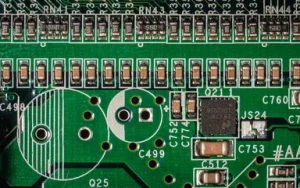
For broader manufacturing requirements, our PCB Manufacturing services cover advanced PCB fabrication, material selection, multilayer construction, surface finishing, drilling, electrical testing, and final inspection.
Power PCB Manufacturing Capabilities
Our Power PCB solutions can be customized according to electrical, mechanical, thermal, and application-specific requirements.
- Materials: FR-4, High-TG FR-4, PTFE and other specialized PCB materials
- Board thickness: approximately 1.0–10.0 mm, depending on design requirements
- Copper weight: 0.5 oz to 20 oz for customized power applications
- Minimum trace/spacing: down to 3 mil (0.075 mm), subject to stack-up and copper requirements
- Minimum drill size: down to 6 mil (0.15 mm), depending on the manufacturing process
- Advanced structures: back drilling, countersunk holes, blind vias, buried vias, and other customized constructions
For projects involving complex stack-ups, heavy copper, fine-pitch structures, or demanding electrical specifications, our PCB Capabilities provide additional manufacturing information.
What Is a Power PCB?
A Power PCB is a printed circuit board specifically designed to distribute, control, convert, or manage electrical power. Compared with standard circuit boards, a High-Current PCB generally requires larger copper areas, wider conductors, appropriate thermal management, and carefully designed power and ground structures.
Power boards are commonly used in systems where current density, voltage, heat generation, electrical reliability, and mechanical durability are critical. Depending on the application, the design may incorporate thicker copper layers, multiple PCB layers, thermal vias, large copper planes, reinforced connections, and specialized materials.
A well-designed power board must balance electrical performance with manufacturability. Trace width, copper thickness, via structure, component placement, creepage and clearance, thermal paths, and impedance requirements should all be considered during PCB design.
Benefits of Power PCB Manufacturing
Higher Current-Carrying Capacity
One of the primary advantages of a High-Current PCB is its ability to carry substantial electrical current with controlled resistance and heat generation.
Thicker copper layers and wider conductive paths increase current-carrying capability while reducing electrical resistance. Heavy copper construction can be particularly useful for power conversion systems, motor controllers, battery systems, industrial equipment, and other high-load applications.
Our Heavy Copper PCB Manufacturing solutions are suitable for applications where current capacity, thermal performance, and mechanical robustness are important design considerations.
Improved Thermal Management
High-power components generate considerable heat during operation. Effective thermal management is therefore essential for maintaining component reliability and preventing excessive temperature rise.
A Power PCB can incorporate thermal vias, large copper areas, heat-spreading structures, heat sinks, thermal interface materials, and optimized component placement to create efficient heat-transfer paths.
Thermal design should begin during the PCB layout stage rather than being treated as an afterthought. Proper copper distribution and thermal pathways can significantly improve the stability and service life of the final electronic system.
High Reliability and Durability
Power electronics often operate under high electrical and thermal loads. A properly manufactured Power PCB is designed to withstand these demanding conditions while maintaining stable electrical performance.
Appropriate material selection, copper thickness, plating, soldering processes, inspection procedures, and thermal design all contribute to long-term PCB reliability.
Efficient Use of Space
Power PCB technology allows designers to integrate power distribution, control circuitry, protection circuits, and other functions into a compact board structure.
This can reduce the need for multiple separate boards and help manufacturers achieve smaller and lighter electronic products without compromising electrical performance.
Enhanced Electrical Protection
High-power circuit boards require careful consideration of electrical safety. Appropriate creepage and clearance distances, grounding strategies, isolation structures, protective circuits, and thermal design help reduce the risk of electrical faults.
PCB designs can also be developed according to applicable industry and product requirements, including relevant IPC and UL considerations.
Lower Total Operating Cost
Although high-performance materials and heavy copper construction may increase initial manufacturing costs, a reliable Power PCB can reduce long-term operating and maintenance expenses.
Improved power efficiency, lower electrical losses, effective heat dissipation, and longer service life can contribute to lower total system costs over the product lifecycle.
Flexible Application Options
Power circuit boards can be customized for different voltage levels, current requirements, form factors, layer counts, copper weights, and thermal conditions.
This flexibility makes them suitable for applications ranging from compact consumer electronics to large industrial power systems.
Applications of Power PCB
Power boards are used across a wide range of industries where reliable power conversion, distribution, and control are essential.
Power Supply Units
Power supply units convert and regulate electrical energy to provide appropriate voltage and current to electronic systems.
Power PCB Manufacturing is widely used in AC/DC power supplies, DC/DC converters, industrial power supplies, computer power systems, battery chargers, and other power conversion equipment.
Automotive Electronics
Modern vehicles contain numerous high-power electronic systems. Electric and hybrid vehicles particularly depend on reliable power electronics for battery management, power conversion, motor control, and charging systems.
Typical applications include:
- Battery Management Systems (BMS)
- Power inverters
- Motor controllers
- On-board chargers
- DC/DC converters
- Automotive lighting
- Infotainment systems
- Advanced driver-assistance systems
For battery-related applications, our Battery Management System PCBA solutions support power management, thermal considerations, and reliable PCB assembly requirements.
Renewable Energy Systems
Renewable energy systems require efficient power conversion and energy management.
Power PCB applications include:
- Solar inverters
- Wind power control systems
- Energy storage systems
- Battery energy storage systems
- Power conversion equipment
- Energy management systems
These applications require reliable boards capable of operating continuously under demanding electrical and thermal conditions.
Industrial Automation
Industrial automation equipment often operates continuously and may be exposed to vibration, heat, dust, and other challenging environmental conditions.
High-Current PCB solutions are used in:
- Motor drives
- Industrial power supplies
- Robot controllers
- PLC systems
- Automation equipment
- Industrial sensors
- Factory control systems
For complete electronic production, PCB Assembly can combine PCB fabrication with SMT, through-hole assembly, component sourcing, testing, and other manufacturing services.
Telecommunications
Telecommunications infrastructure depends on stable power distribution to maintain continuous system operation.
Power boards can be used in communication equipment, base stations, power amplifiers, networking systems, wireless infrastructure, and other communication products.
Reliable power delivery is especially important for infrastructure equipment that must operate continuously with minimal downtime.
Medical Equipment
Medical electronic equipment requires reliable and stable power management.
Power boards can be found in imaging systems, patient monitoring equipment, diagnostic devices, medical power supplies, and other electronic medical systems where electrical stability and product reliability are essential.
LED Lighting Systems
LED lighting products require efficient power conversion and current regulation to maintain stable illumination and long operating life.
Power circuit boards are commonly used in LED drivers, lighting control systems, commercial lighting, industrial lighting, outdoor lighting, and intelligent lighting equipment.
Motor Control
Motor control systems require precise management of voltage, current, and switching behavior.
Power PCBs are used in motor drives, industrial machinery, pumps, fans, robotics, automation systems, and electric mobility equipment.
Depending on the application, the PCB may combine high-current copper structures with SMT and through-hole components.
Our Through-Hole PCB Assembly capabilities are particularly relevant for applications requiring mechanically robust, high-power components and strong solder connections.
Electric Transportation
The growth of electric vehicles and hybrid transportation continues to increase demand for reliable power electronics.
Power PCB applications include battery management, power conversion, charging systems, motor control, energy distribution, and other vehicle electrical systems.
These boards must manage substantial current while maintaining thermal stability and electrical reliability in compact environments.
Robotics and Industrial Automation
Modern robots depend on sophisticated power and control electronics to operate motors, sensors, communication systems, and actuators.
A properly designed Power PCB can help provide stable power distribution for robotic controllers, servo drives, motor control systems, industrial robots, and automated production equipment.
Internet of Things
IoT devices often require compact and energy-efficient power management solutions.
Power PCB technology can support power conversion, battery management, voltage regulation, and energy distribution in connected devices, industrial IoT equipment, smart sensors, and edge devices.
5G Communication
5G infrastructure requires stable power delivery for high-performance communication equipment.
Power boards can be used in base stations, RF equipment, communication modules, network devices, and other infrastructure requiring reliable power management.
Challenges in Power PCB Design and Manufacturing
Although power boards provide significant advantages, high-power PCB projects also introduce several technical challenges.
Thermal Management
Heat generation is one of the most important challenges in power electronics. Excessive temperature can reduce component lifetime, degrade PCB materials, and cause system failures.
Engineers should consider copper distribution, thermal vias, heat sinks, component spacing, airflow, and thermal interface solutions during the design stage.
Signal Integrity and EMI
High-current switching circuits can generate electromagnetic interference that affects sensitive signals.
Effective grounding, power-plane design, signal routing, component placement, shielding, and appropriate layer stack-up are essential for controlling EMI and maintaining signal integrity.
Complex PCB Design
High-power boards often combine power circuits, control circuits, communication interfaces, and protection systems within a limited space.
This increases design complexity and requires careful coordination between electrical design and manufacturing requirements.
DFM analysis can identify potential manufacturing risks before production begins. GOPCBA provides engineering support through PCB fabrication and assembly projects to help optimize designs for production.
Why Choose GOPCBA for Power PCB Manufacturing?
Choosing the right Power PCB Manufacturer is critical for projects where electrical reliability, thermal performance, and long-term durability are essential.
GOPCBA provides integrated PCB manufacturing and PCB assembly services designed to support projects from prototype development through production.
Engineering Support
Our engineering team can review PCB design files, manufacturing specifications, stack-up requirements, materials, copper weights, and other technical requirements to identify potential production risks.
Advanced PCB Manufacturing
GOPCBA supports a broad range of PCB structures and materials, including multilayer boards, high-TG materials, RF materials, aluminum-backed PCBs, flexible PCBs, rigid-flex PCBs, and heavy copper solutions.
Integrated PCB Assembly
Combining PCB fabrication and assembly through one manufacturing partner can simplify supplier management and improve production coordination.
Our assembly capabilities include SMT, THT, mixed-technology assembly, component sourcing, testing, and complete manufacturing support.
Quality Control
Reliable power electronics require consistent manufacturing quality. PCB production involves engineering review, material inspection, fabrication process control, electrical testing, and final inspection.
GOPCBA follows structured quality management procedures to help ensure consistent manufacturing performance.
Flexible Production
Power PCB projects can range from prototypes and small batches to larger production requirements. Manufacturing processes can be adapted according to board complexity, quantity, material requirements, and delivery schedules.
For customers seeking an integrated manufacturing partner, our PCBA Capabilities cover PCB assembly technologies, inspection, testing, and production support.
One-Stop Manufacturing Support
GOPCBA provides a complete manufacturing solution covering PCB fabrication, component sourcing, PCB assembly, testing, and related electronic manufacturing services.
Our Why Choose Us page provides more information about our manufacturing capabilities, engineering support, quality management, and production services.
Get a Quote for Your Power PCB Project
If you are developing a high-current power supply, EV electronics, battery system, industrial controller, renewable energy product, motor drive, or other high-power electronic device, choosing the right Power PCB Manufacturer can have a direct impact on product reliability and production efficiency.
GOPCBA can support your project from PCB fabrication through assembly and testing. Submit your Gerber files, PCB specifications, BOM, drawings, or other technical requirements for engineering review and quotation.
For project inquiries, manufacturing consultations, and custom PCB requirements, visit our Contact Us page and contact the GOPCBA engineering and sales team.
Frequently Asked Questions
What materials are commonly used for Power PCBs?
Common materials include standard FR-4, high-TG FR-4, PTFE and other high-performance materials. The appropriate material depends on voltage, current, operating temperature, frequency, mechanical requirements, and application environment.
How can power loss be reduced in a Power PCB?
Power loss can be reduced through appropriate copper thickness, wider current-carrying traces, optimized power-plane design, shorter current paths, suitable components, effective thermal management, and proper PCB layout.
What are the main advantages of Power PCBs?
The main advantages include higher current-carrying capability, improved thermal performance, reliable power distribution, compact integration, better durability, and suitability for demanding electronic applications.
What safety factors should be considered when designing a Power PCB?
Engineers should consider creepage and clearance, insulation, grounding, thermal performance, voltage ratings, current capacity, component spacing, protection circuits, and applicable safety and industry standards.
How are Power PCBs tested?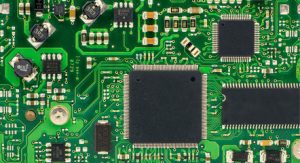
Depending on the application, testing may include electrical testing, AOI, X-ray inspection, visual inspection, dimensional inspection, solder-joint inspection, and functional testing after assembly.
Can Power PCBs be combined with PCB assembly?
Yes. Power PCB fabrication can be combined with SMT, through-hole, or mixed-technology assembly. This approach allows the PCB manufacturer to support the project from bare board fabrication through finished PCBA production.
Start Your Power PCB Project
GOPCBA is a professional PCB manufacturing and assembly partner providing customized solutions for demanding electronic applications. From Power PCB Manufacturing and Heavy Copper PCB technology to PCB assembly, component sourcing, testing, and production support, we help customers develop reliable electronic products with efficient manufacturing processes.
Request a quotation today and let our engineering team evaluate your PCB requirements.