PCB Thermal Design Guide and Small Batch PCB Manufacturing Solutions
In modern electronic products, thermal performance has become a critical factor affecting reliability, lifespan, and overall system stability. Effective PCB thermal design helps control component temperature, improve heat dissipation efficiency, and ensure that electronic devices operate safely under different working conditions.
At the same time, choosing a reliable PCB manufacturing partner is essential for companies requiring fast turnaround, stable quality, and flexible production capacity. Professional manufacturers can support everything from prototype development to small-volume production while maintaining strict process control.
Why PCB Thermal Design Is Important
During PCB operation, electronic components generate heat due to power consumption and electrical resistance. If heat cannot be transferred effectively, excessive temperature increases may cause component failure, reduced performance, or shortened product lifetime.
A well-designed PCB thermal management system focuses on:
- Improving heat transfer efficiency
- Reducing thermal resistance between components and PCB materials
- Maintaining uniform temperature distribution
- Protecting sensitive electronic components from overheating
For engineers developing high-performance electronics, proper printed circuit board thermal design is a key step in achieving reliable product performance.
Effective Methods for PCB Thermal Design
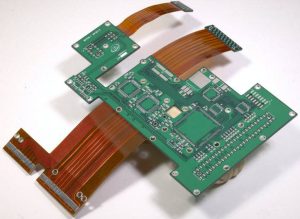
1. Improve Heat Dissipation Through PCB Structure
The PCB itself can act as a heat transfer medium. Increasing copper coverage, optimizing copper layers, and using appropriate PCB materials can improve thermal conductivity.
Large copper areas connected to heat-generating components help distribute heat more evenly across the board. Proper PCB layer stack-up design also contributes to better thermal performance.
For advanced applications, designers can work with professional PCB assembly service providers to select suitable materials and manufacturing processes.
2. Add Heat Sinks and Thermal Conductive Components
When a PCB contains several high-power components, additional cooling solutions may be required.
Common approaches include:
- Installing heat sinks on high-temperature components
- Using thermal pads and thermal interface materials
- Adding heat spreaders or cooling plates
- Integrating metal-based PCB solutions
These methods help transfer heat away from critical components and maintain stable operating temperatures.
3. Optimize Copper Routing and Thermal Vias
Copper routing plays an important role in PCB heat management.
Engineers can improve thermal performance by:
- Increasing copper thickness
- Creating larger copper planes
- Adding thermal vias beneath heat-generating components
- Optimizing power and ground plane design
Thermal vias create a pathway for heat to move between PCB layers, improving overall cooling efficiency.
Professional PCB manufacturing companies usually provide design support to help customers optimize these thermal structures before production.
4. Reduce Thermal Resistance Between Components and PCB
The connection between high-power components and the PCB substrate directly affects heat transfer efficiency.
To reduce thermal resistance:
- Use suitable PCB materials with better thermal conductivity
- Minimize unnecessary insulation barriers
- Improve component mounting methods
- Select appropriate soldering technologies
These improvements are especially important for power electronics, automotive systems, industrial controllers, and LED applications.
Component Placement Strategies for Better Heat Management
Horizontal Placement Optimization
High-power components should be placed closer to the edge of the PCB whenever possible.
This arrangement helps:
- Shorten heat transfer paths
- Improve airflow efficiency
- Reduce heat accumulation in central areas
Vertical Placement Optimization
For multilayer boards, heat-generating components should be positioned strategically to reduce their influence on temperature-sensitive devices.
Temperature-sensitive components should be placed in cooler areas of the PCB to maintain stable operation.
Airflow Considerations in PCB Thermal Design
For electronic systems using fans or natural ventilation, airflow direction should be considered during PCB layout.
Good airflow design includes:
- Keeping airflow channels unobstructed
- Avoiding excessive component density
- Separating high-temperature and sensitive areas
- Maintaining consistent thermal distribution
A balanced thermal layout improves product reliability and reduces the risk of overheating.
How Professional Small Batch PCB Manufacturing Improves Production Efficiency
Small batch production requires manufacturers to provide both flexibility and fast delivery. Unlike mass production, low-volume PCB orders often involve frequent design changes, shorter schedules, and customized requirements.
A professional small batch PCB production partner should provide:
- Efficient production scheduling
- Flexible manufacturing capability
- Strict quality inspection
- Fast engineering response
- Reliable delivery management
GoPCB provides comprehensive PCB manufacturing solutions for prototype and small-volume production, helping customers move quickly from design verification to final products.
Key Advantages of Professional Small Batch PCB Production
Advanced Production Management System
Modern PCB factories use digital production management systems to monitor every manufacturing stage.
These systems help:
- Track production progress
- Optimize manufacturing schedules
- Reduce production delays
- Improve delivery accuracy
Real-time production monitoring allows manufacturers to respond quickly when unexpected issues occur.
Automated Manufacturing Equipment
Automation improves both production efficiency and product consistency.
Advanced equipment supports:
- High-precision PCB fabrication
- Automated inspection
- Reliable assembly processes
- Stable batch production
By combining automation with experienced engineering teams, manufacturers can maintain quality while meeting demanding delivery schedules.
Quality Control in Small Batch PCB Manufacturing
Reliable small-volume production requires strict inspection throughout the manufacturing process.
Typical quality control procedures include:
- Design review
- Electrical testing
- Automated optical inspection (AOI)
- X-ray inspection for complex assemblies
- Final product verification
These processes ensure that every PCB meets customer requirements before shipment.
GoPCB provides professional PCB assembly service and manufacturing support with a focus on quality, reliability, and fast response.
How to Choose the Right PCB Manufacturing Partner
When selecting a PCB supplier, customers should evaluate more than production speed.
Important factors include:
Manufacturing Capability
A qualified supplier should support:
- Prototype PCB production
- Multilayer PCB manufacturing
- Surface mount technology (SMT)
- Through-hole assembly
- Customized PCB solutions
Learn more about professional PCB Assembly Service capabilities to understand how complete manufacturing support improves product development.
Engineering Support
Strong engineering capability helps customers solve:
- Thermal design problems
- Layout optimization issues
- Manufacturing challenges
- Component selection concerns
A supplier with technical expertise can reduce development risks and shorten project cycles.
Delivery Reliability
Fast production is valuable only when quality remains stable.
Professional manufacturers achieve reliable delivery through:
- Optimized production workflows
- Automated systems
- Skilled production teams
- Strict process management
Explore GoPCB’s PCB Manufacturing solutions for reliable prototype and production services.
Conclusion
Effective PCB thermal design is essential for improving electronic product reliability, preventing overheating, and extending service life. Through optimized routing, thermal vias, component placement, and proper cooling methods, engineers can achieve better thermal performance.
Meanwhile, professional small batch PCB production services provide the flexibility, speed, and quality control required for modern electronics development.
Choosing an experienced PCB partner with advanced manufacturing capability, engineering expertise, and reliable delivery management allows companies to accelerate product development and achieve better market performance.
GoPCB offers complete PCB solutions, including design support, manufacturing, assembly, and quality testing for customers worldwide.