Medical PCB Prototyping & Volume Production Services – A Complete Guide
In the medical electronics field, reliability, safety, and regulatory compliance are non-negotiable core requirements. Whether it is patient monitoring equipment, medical imaging systems, or wearable medical devices, the medical PCB (Medical PCB) is the critical foundation for the stable operation of the entire system.
Medical PCB prototyping and volume production services are the essential bridge connecting product R&D validation to scaled manufacturing. A professional medical PCB manufacturer must ensure electrical performance consistency, material traceability, and compliance with medical regulations throughout the product lifecycle.
gopcb provides one-stop manufacturing services from medical PCB prototyping to high-volume production, helping medical device companies bring their products to market efficiently and safely.
1. What Is Medical PCB Prototyping?
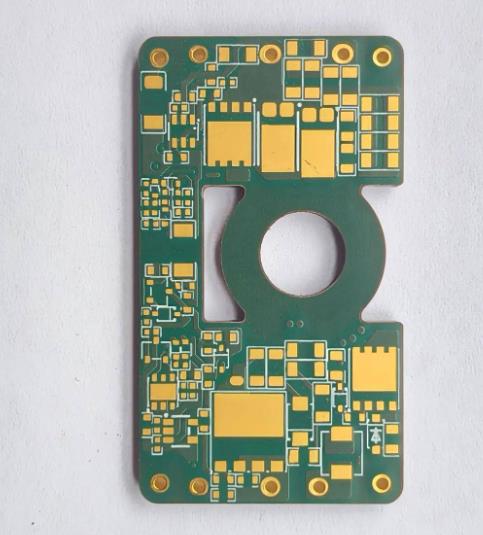
Medical PCB prototyping refers to the small-batch fabrication and assembly of PCBs during the product development phase, primarily used for:
- Design validation and functional testing
- Medical certification and regulatory evaluation
- Clinical trial and pilot production stages
Unlike consumer electronics, medical PCB prototypes must meet medical-grade quality requirements from the prototyping stage to ensure no technical or compliance risks in subsequent mass production.
For professional prototype PCB assembly services, gopcb offers tailored solutions for medical device developers.
Typical Medical PCB Prototyping Quantities
- 5–50 pieces: Functional and design verification
- 50–200 pieces: Certification testing and pilot production
2. Key Technical Requirements for Medical PCB Prototypes
To minimize risks from prototyping to mass production, medical PCB prototypes must be as close as possible to final production specifications.
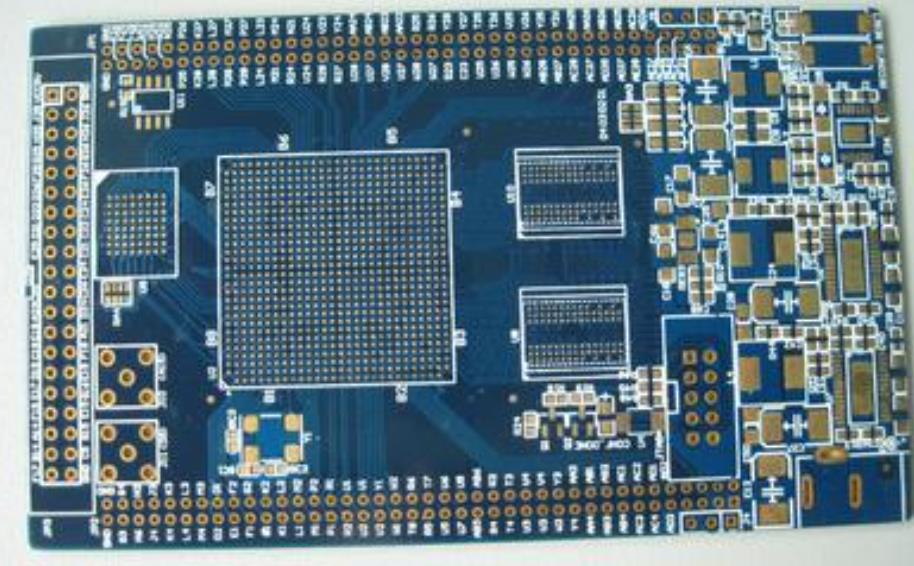
Electrical Performance Requirements
- Impedance control and differential signal stability
- Low-noise routing design
- Analog / mixed-signal integrity assurance
Mechanical and Thermal Reliability
- High-Tg materials for enhanced thermal performance
- Reliable via and pad structures
Medical PCB Material Selection
- Medical-grade FR-4
- Polyimide (flexible PCBs)
- Ceramic substrates (for high-power or implantable devices)
3. Medical PCB Prototyping Process Overview
A standardized prototyping process is the foundation for ensuring medical PCB reliability.
Design Review and DFM / DFA
- Stack-up structure verification
- Trace width/spacing and pad evaluation
- Assembly feasibility analysis
Material Procurement and Traceability
- Raw material batch tracking
- RoHS / REACH compliance verification
PCB Fabrication and Assembly
- High-precision imaging and drilling
- SMT, THT, or mixed-process assembly
Inspection and Testing
- 100% electrical testing
- AOI and X-Ray inspection
4. Transition from Medical PCB Prototyping to Volume Production
The transition from prototype to mass production is the highest-risk yet most valuable phase in medical PCB manufacturing.
Common Challenges
- Yield fluctuations
- Component life-cycle instability
- Cost escalation
Engineering Optimization Solutions
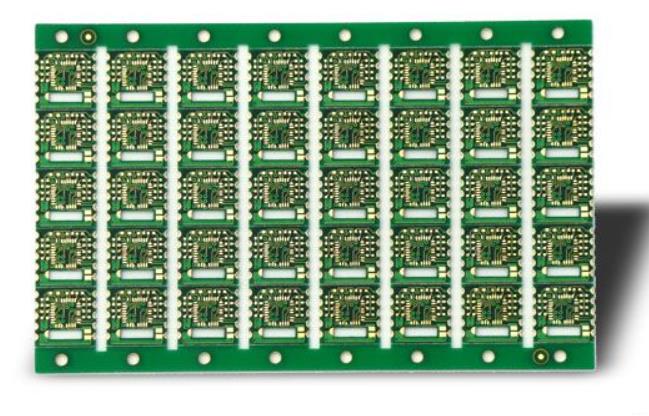
- Panelization optimization
- Via and pad structure adjustments
- Material optimization under compliance constraints
With low-volume PCB assembly expertise, gopcb helps customers navigate this critical phase with engineering change order (ECO) support, ensuring a smooth transition to production.
5. Medical PCB Volume Production Services
Medical PCB mass production emphasizes consistency, traceability, and long-term reliability.
Production Volume Categories
- Small volume: 500–5,000 pieces
- Medium volume: 5,000–50,000 pieces
- High volume: 50,000+ pieces
For high-volume needs, gopcb offers robust high-volume PCB assembly capabilities to support large-scale medical device production.
Supported Medical PCB Types
- Multilayer medical PCBs (up to 20+ layers)
- HDI medical PCBs
- Rigid-flex and flexible medical PCBs
Medical PCB Assembly Capabilities
- High-density SMT placement
- Mixed-process PCBA
- Lead-free medical-grade soldering processes
6. Medical PCB Quality Standards and Regulatory Compliance
Medical PCB manufacturing must comply with stringent international standards.
Core Quality Systems
- ISO 13485 – Medical devices quality management system
- ISO 9001 – Manufacturing quality control
- IPC Class 2 / Class 3 – Process standards
Regulatory and Certification Support
- FDA technical file collaboration
- IEC 60601 medical electrical safety standards
- Full production traceability system
gopcb operates under an ISO 13485 medical PCB manufacturing framework, supporting customer audits and compliance requirements.
7. Medical PCB Testing and Quality Control
A comprehensive testing system is critical to ensuring the safe operation of medical devices.
Standard Testing Methods
- AOI automated optical inspection
- X-Ray (BGA / QFN inspection)
- ICT and functional testing
Reliability Verification
- Thermal cycling testing
- Solder joint reliability testing
- Aging and stress screening
8. Medical PCB Lead Times and Cost Reference
Medical PCB Prototyping Price Range (USD)
| Item | Reference Price |
|---|---|
| 2–4 layer medical PCB prototype | $80 – $200 |
| 6–8 layer medical PCB prototype | $180 – $450 |
| Medical PCB prototype assembly | $150 – $500 |
Lead time: 5–10 business days (depending on complexity)
Medical PCB Volume Production Price Range (USD)
| Type | Unit Price Reference |
|---|---|
| 2–4 layer medical PCB | $2.50 – $6.00 / piece |
| 6–10 layer medical PCB | $6.00 – $18.00 / piece |
| Medical PCBA volume assembly | $5.00 – $25.00 / piece |
Actual pricing depends on size, layer count, material, test requirements, and order quantity.
9. Typical Application Areas for Medical PCBs
- Medical diagnostic and patient monitoring equipment
- Medical imaging systems (CT, MRI, ultrasound)
- Wearable medical devices
- Life support and intensive care systems
- Home-use and portable medical electronics
10. How to Choose the Right Medical PCB Manufacturer?
When selecting a medical PCB supplier, key focus areas should include:
- ISO 13485 certification
- Medical electronics manufacturing experience
- Engineering support and communication capabilities
- Supply chain stability and document management
With PCB manufacturing excellence and engineering-driven prototyping services, gopcb provides scalable production capabilities and long-term stable support for medical device customers.
11. Why Choose gopcb for Medical PCB Prototyping and Production?
- Professional medical PCB engineering team
- Rapid-response medical PCB prototyping
- Auditable volume production systems
- Strict quality control and traceability mechanisms
- Global delivery support
As a trusted turnkey PCB assembly partner, gopcb is committed to helping medical device companies shorten time-to-market while ensuring compliance and reliability.
12. Frequently Asked Questions (FAQ)
Q1: What is the fastest delivery time for medical PCB prototypes?
Typically 5–10 business days, depending on layer count and assembly complexity.
Q2: Does the prototyping phase comply with ISO 13485?
Yes. gopcb implements medical-grade quality control processes from the prototyping stage.
Q3: How can I reduce risks when transitioning from prototype to volume production?
Risk is minimized through DFM optimization, pilot production verification, and engineering change control.
13. Conclusion
Medical PCB prototyping and volume production services require manufacturers to possess engineering depth, quality systems, and regulatory awareness. Choosing an experienced medical PCB manufacturer like gopcb ensures that every step from prototype to production is safe, stable, and fully controlled.
For more information about our comprehensive PCB services, including SMT PCB assembly, through-hole PCB assembly, and flex PCB assembly, please visit our website.