Standard PCB Service Price Guide: Material, Layer & Quantity Impact
Last updated: September 1, 2026
In the process of electronic product development and mass production, standard PCB service is the preferred choice for most companies to balance cost, delivery, and reliability. Compared to expedited PCB or highly customized PCB manufacturing, standard PCB significantly reduces unit cost by adopting mature processes and common materials, making it especially suitable for projects with stable designs and clear batch quantities.
This article systematically analyzes the pricing logic of standard PCB services from three core dimensions—PCB material selection, layer count structure, and order quantity—and provides real reference price ranges in USD to help engineers and procurement professionals evaluate PCB costs more scientifically.
1. What Is Standard PCB Service?
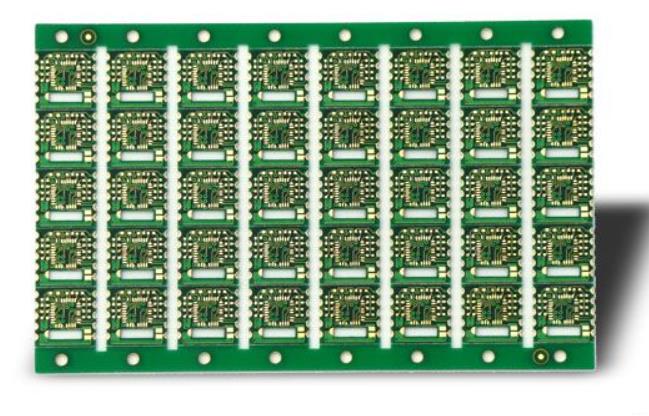
Standard PCB service refers to PCB processing services carried out within established manufacturing specifications, using industry-standard materials, process parameters, and delivery configurations.
Typical characteristics of standard PCB service:
- Conventional FR-4 substrate
- Common layer counts (2-layer / 4-layer / 6-layer)
- Standard copper thickness (1 oz)
- Regular tolerances and hole sizes
- Standard lead time (7–15 working days)
Compared to rapid PCB prototyping or high-end HDI PCB, standard PCB focuses more on stable yield and unit cost control, making it an excellent choice for production-scale orders. For professional PCB manufacturing services, standard processes ensure both quality and efficiency.
2. Key Factors That Determine Standard PCB Service Pricing
Impact of PCB Material Selection on Cost
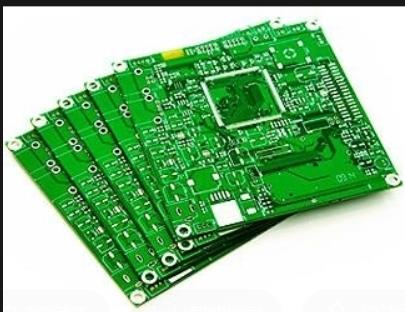
Material is a core component of PCB cost, with FR-4 remaining the most cost-effective choice.
Layer Count and Stack-up Complexity
More layers mean:
- More lamination cycles
- More complex alignment and drilling
- Higher manufacturing risk
Board Size, Thickness, and Copper Weight
- Large PCB size → Lower material utilization
- Thick boards / heavy copper → Increased processing time and energy consumption
Surface Finish Price Differences
HASL has the lowest cost, while ENIG is slightly higher but offers better solderability.
Design Complexity and Manufacturing Tolerances
Line width/spacing, impedance control, and BGA pad density all affect the final quote.
3. How PCB Material Affects Standard PCB Cost
Cost Differences Among FR-4 Grades
| FR-4 Type | Cost Change |
|---|---|
| Standard Tg FR-4 | Baseline |
| Mid Tg FR-4 | +10% – 20% |
| High Tg FR-4 | +20% – 35% |
Applications of High Tg and Enhanced FR-4
These are commonly used in industrial control, automotive electronics, and other high-reliability applications.
Cost Comparison: Standard vs. High-End Materials
High-frequency materials such as Rogers and PTFE typically cost 2–5 times more than FR-4 and are not part of standard PCB service offerings.
Choosing the right material is critical for cost control. Learn more about material options through our PCB manufacturing capabilities.
4. How PCB Layer Count Affects Pricing
2-Layer Standard PCB Pricing
- Simple process
- Lowest cost
- Widely used in consumer electronics and power products
4-Layer Standard PCB Cost Structure
- Adds power and ground layers
- Better EMI control
- Cost is approximately 1.6–2 times that of 2-layer boards
6-Layer and Multi-Layer PCB Pricing Trends
- Suitable for industrial equipment and communication products
- Higher stack-up consistency requirements
5. Impact of Order Quantity on Standard PCB Cost
Prototype and Small-Batch Orders
Engineering fees and setup costs are spread over a small number of boards, resulting in a higher unit price.
Small to Medium Production (50–300 pcs)
Cost-effectiveness starts to become apparent, making this suitable for trial production phases.
Mass Production Economy of Scale
When quantity reaches ≥1000 pcs, material procurement and automation efficiency significantly reduce unit cost.
For small-batch needs, our low-volume PCB assembly service offers flexible solutions, while high-volume PCB assembly maximizes cost efficiency for large orders.
6. Typical Lead Times for Standard PCB Service
- Small batch / Prototype: 7–10 working days
- Medium batch: 10–12 working days
- Large batch: 12–15 working days
Longer lead times result in significantly lower unit costs.
7. Standard PCB Service Price Range Examples
Reference unit prices for different layer counts and quantities
| Layer Count | Quantity | Price Range (USD) |
|---|---|---|
| 2-layer | 50 pcs | $6.00 – $9.00 |
| 2-layer | 500 pcs | $1.80 – $2.80 |
| 2-layer | 1000 pcs | $0.90 – $1.60 |
| 4-layer | 100 pcs | $8.00 – $12.00 |
| 4-layer | 500 pcs | $3.20 – $4.80 |
| 6-layer | 100 pcs | $15.00 – $22.00 |
| 6-layer | 1000 pcs | $6.50 – $9.50 |
Assumptions: FR-4, 1 oz copper, board size ≤100×100 mm, HASL / ENIG surface finish.
8. Effective Strategies to Reduce Standard PCB Service Costs
- Use the manufacturer’s recommended standard stack-up
- Avoid over-engineering
- Maximize panel utilization
- Plan order batches wisely
- Minimize engineering change orders
9. When Should You Choose Standard PCB Service?
Standard PCB is the best choice when your project meets these conditions:
- Design is mature and stable
- Cost control is a priority
- Order quantity ≥100 pcs
- No micro-vias, HDI, or special material requirements
10. How to Choose a Cost-Effective PCB Manufacturer
In addition to design optimization, selecting the right PCB factory is equally important.
gopcb specializes in high-consistency standard PCB manufacturing services, with clear advantages in cost and quality control:
- Mature FR-4 supply chain
- Long-term mass production of 2–6 layer standard PCB stack-ups
- Transparent pricing with clear cost structure
- Stable yield suitable for repeat orders
By aligning with gopcb’s standard manufacturing capabilities, customers can effectively reduce PCB unit costs while maintaining quality. Explore our SMT PCB assembly and turnkey PCB assembly services for complete solutions.
11. Conclusion: Balancing Cost, Quality, and Reliability
For the vast majority of electronic products, standard PCB service remains the most cost-effective manufacturing solution. A deep understanding of how material, layer count, and quantity affect pricing, combined with collaboration with an experienced PCB manufacturer like gopcb, is key to achieving long-term cost optimization.
12. Frequently Asked Questions (FAQ)
Q1: Is standard PCB service always cheaper than expedited PCB?
Yes, it typically reduces manufacturing costs by 20%–40%.
Q2: What is the minimum order quantity for standard PCB service?
Most factories support 5–10 pcs as a starting point, but cost-effectiveness becomes more apparent above 100 pcs.
Q3: Can standard PCB service use ENIG finish?
Yes, ENIG typically adds $0.20–$0.60 per board.
Q4: How can I get the lowest PCB unit price?
Use standard specifications, increase order quantity, and choose a manufacturer like gopcb with mature standard processes.
For more information on our full range of services, visit our homepage or explore our PCB design layout and components procurement services.