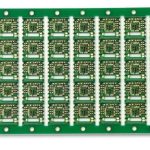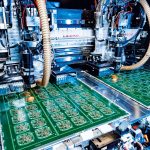
In the PCB manufacturing industry, PCB surface finish plays a critical role in ensuring solderability, electrical performance, and long-term reliability of printed circuit boards. Since natural copper easily reacts with oxygen in the air and forms copper oxide, exposed copper surfaces cannot maintain good solderability for extended periods. Therefore, applying an appropriate surface treatment process is essential to protect copper surfaces from oxidation and improve PCB assembly performance.
As a professional
company, Kingda has accumulated years of experience in producing high-quality printed circuit boards and provides various surface finishing solutions for different application requirements. The selection of a suitable PCB Surface Finish depends on factors such as product application, assembly process, reliability requirements, and cost considerations.
The following are several commonly used PCB surface treatment processes.
1. Hot Air Solder Leveling (HASL)
Hot Air Solder Leveling (HASL), also known as hot air solder leveling, is one of the traditional and widely used PCB surface finish technologies. This process involves coating the exposed copper surface with molten solder and using heated compressed air to level the solder layer, creating a protective coating that prevents copper oxidation.
During the HASL process, the solder reacts with copper to form copper-tin intermetallic compounds, which provide excellent solderability. The PCB is immersed in molten solder, and air knives remove excess solder before solidification, helping create a more uniform surface and preventing solder bridging.
Advantages of HASL include:
- Excellent solderability
- Mature manufacturing process
- Cost-effectiveness
- Wide compatibility with conventional PCB assembly processes
However, HASL may have limitations in applications requiring extremely flat surfaces, especially for fine-pitch components and advanced packages.
2. Organic Solderability Preservative (OSP)
OSP Surface Treatment is an environmentally friendly surface finishing process that complies with RoHS requirements. OSP stands for Organic Solderability Preservative and is also known as copper protection technology.
The process forms a thin organic protective film chemically on the clean copper surface. This protective layer provides excellent resistance against oxidation, humidity, and thermal shock, preventing copper corrosion during storage and handling.
During soldering, the OSP coating is quickly removed by flux at high temperatures, exposing fresh copper and allowing it to form a reliable solder joint with molten solder.
Advantages of OSP Surface Treatment:
- Environmentally friendly and RoHS compliant
- Flat surface suitable for fine-pitch components
- Low manufacturing cost
- Suitable for lead-free assembly
The main limitation is that OSP has limited durability during long-term storage compared with metallic surface finishes.

3. Electroless Nickel/Immersion Gold (ENIG)
ENIG (Electroless Nickel Immersion Gold) is one of the most popular advanced PCB Surface Finish technologies used in high-reliability electronic products.
The process deposits a nickel layer onto the copper surface first, followed by a thin immersion gold layer. The nickel layer acts as a barrier to prevent copper diffusion, while the gold layer provides excellent oxidation resistance and reliable solderability.
There are two common gold plating applications:
- Soft gold plating: Mainly used for wire bonding in semiconductor packaging
- Hard gold plating: Used for contact areas requiring high wear resistance
Advantages of ENIG:
- Excellent flatness
- Long shelf life
- Good corrosion resistance
- Suitable for high-density PCB designs
Because of its superior performance, ENIG is widely used in communication equipment, automotive electronics, medical devices, and high-end consumer electronics.
4. Immersion Gold
Immersion Gold is a surface treatment process that deposits a layer of gold over copper through a chemical replacement reaction. It provides excellent electrical performance and protects the copper surface from oxidation.
Compared with other surface finishes, immersion gold offers:
- Good environmental resistance
- Reliable electrical conductivity
- Improved corrosion protection
- Better long-term storage performance
In addition, immersion gold prevents excessive copper dissolution during soldering, making it suitable for lead-free PCB assembly applications.
5. Immersion Tin
Immersion Tin is a surface treatment method that creates a flat copper-tin intermetallic layer on the PCB surface.
Since modern solder materials are mainly based on tin, immersion tin provides excellent compatibility with various solder alloys. It also offers good solderability without the surface unevenness issues sometimes associated with HASL.
Advantages of Immersion Tin:
- Excellent surface flatness
- Suitable for fine-pitch components
- Good solder compatibility
- Lead-free manufacturing friendly
However, immersion tin PCBs require proper storage conditions because the tin surface can deteriorate over long storage periods.
6. Immersion Silver
Immersion Silver is a surface finish technology positioned between organic coatings and ENIG processes. It provides a simple and fast method for protecting copper surfaces.
Even under high temperatures, humidity, and contaminated environments, silver can maintain good solderability. However, the silver surface may lose brightness over time.
Advantages of Immersion Silver:
- Excellent solderability
- Good electrical conductivity
- Suitable for high-frequency applications
- Cost-effective compared with ENIG
The mechanical strength and durability of immersion silver are generally lower than ENIG because it does not include a nickel barrier layer.
7. Electroless Nickel Electroless Palladium Immersion Gold (ENEPIG)
ENEPIG is an advanced surface finish process that adds a palladium layer between nickel and gold compared with ENIG.
The palladium layer helps prevent corrosion caused by chemical displacement reactions and improves the reliability of the gold coating.
Advantages of ENEPIG:
- Excellent corrosion resistance
- Suitable for wire bonding and soldering
- High reliability performance
- Ideal for advanced electronic applications
ENEPIG is commonly used in aerospace, medical electronics, semiconductor packaging, and high-performance communication equipment.

8. Hard Gold Plating
Hard Gold Plating is mainly used in PCB areas that require frequent mechanical contact, such as edge connectors and gold fingers.
By increasing gold thickness and plating cycles, hard gold improves wear resistance and extends the service life of PCB connectors.
Advantages of Hard Gold Plating:
- High wear resistance
- Excellent electrical contact performance
- Suitable for repeated plugging and unplugging applications
How to Select the Right PCB Surface Finish?
Choosing the appropriate PCB Surface Finish depends on the specific product requirements, including:
- Assembly method
- Component type
- Reliability requirements
- Operating environment
- Product lifetime
- Manufacturing budget
For standard electronic products, HASL remains a cost-effective choice due to its mature technology. For products requiring higher electrical performance and reliability, ENIG, ENEPIG, or Hard Gold Plating may be more suitable.
As an experienced PCB manufacturing partner, Kingda provides professional surface finishing solutions to meet different customer requirements, helping improve PCB reliability, solderability, and overall product performance.