The Importance of PCB Surface Finish
With the rapid development of electronic products toward miniaturization, higher performance, and higher reliability, the requirements for printed circuit boards have continued to increase. During the PCB Manufacturing process, surface treatment technology has become a critical factor affecting PCB quality, assembly performance, and product lifetime.
The primary purpose of PCB Surface Finish is to protect exposed copper areas from oxidation while ensuring excellent solderability, electrical conductivity, and mechanical reliability. Since copper naturally reacts with oxygen, moisture, and contaminants in the environment, untreated copper surfaces quickly form copper oxide. This oxide layer reduces solderability and may cause defects such as poor solder joints, component detachment, and electrical failures.
Therefore, applying an appropriate surface finish to PCB pads and exposed copper areas is essential. The selected coating layer not only protects copper during storage and transportation but also improves soldering performance during PCB assembly.
As a professional PCB Manufacturing supplier, Kingda provides various surface treatment solutions for different applications, including consumer electronics, automotive systems, communication equipment, industrial control products, and high-reliability electronic devices.
Why Does PCB Require Surface Treatment?
During PCB Manufacturing, copper is widely used as the conductive material because of its excellent electrical conductivity and processing characteristics. However, copper is chemically active and easily oxidized when exposed to air.
Copper oxidation can cause several problems:
- Reduced solderability during assembly
- Poor electrical connection reliability
- Increased contact resistance
- Higher risk of soldering defects
- Shortened product service life
To prevent these problems, PCB manufacturers apply protective coatings or plating layers to exposed copper surfaces.
A suitable PCB Surface Finish should provide:
- Excellent solderability
- Good oxidation resistance
- Stable electrical performance
- Compatibility with SMT assembly
- Long storage capability
- Environmental reliability
Different products require different surface finishes. For example, low-cost consumer electronics may prioritize cost efficiency, while automotive, medical, and aerospace products require higher reliability and durability.
Common PCB Surface Finish Technologies
Currently, commonly used PCB Surface Finish technologies include HASL, OSP, ENIG, Immersion Tin, Immersion Silver, ENEPIG, and Hard Gold Plating.
Each process has unique characteristics. The selection depends on PCB structure, component type, assembly technology, operating environment, and cost requirements.
1. HASL (Hot Air Solder Leveling)
HASL is one of the most traditional and widely used surface treatment methods in PCB Manufacturing.
The basic process includes:
- Surface cleaning
- Micro-etching
- Preheating
- Immersion into molten solder
- Hot air leveling
- Cleaning and inspection
During the HASL process, the PCB is immersed into molten solder. After removing the board from the solder bath, high-temperature compressed air is used to remove excess solder and create a relatively uniform solder coating.
The solder layer protects copper from oxidation and improves solderability. At the interface between solder and copper, copper-tin intermetallic compounds are formed, providing a reliable connection during assembly.
Modern HASL processes are available in both lead-based and lead-free versions. Due to environmental regulations, lead-free HASL has become the mainstream choice for many electronic products.
Advantages of HASL:
- Low manufacturing cost
- Mature and stable technology
- Excellent soldering performance
- Suitable for conventional assembly processes
- Widely available among PCB manufacturers
Limitations of HASL:
- Lower surface flatness compared with advanced finishes
- Not ideal for ultra-fine pitch components
- May affect small solder joints
- Uneven coating thickness may influence high-density assembly
For standard electronic products and cost-sensitive applications, HASL remains an economical and reliable solution.
2. OSP (Organic Solderability Preservative)
OSP is an environmentally friendly surface treatment technology designed to protect copper surfaces from oxidation.
Unlike metallic coatings, OSP uses a chemical method to form a very thin organic protective film on exposed copper.
The general process includes:
- Degreasing
- Micro-etching
- Acid cleaning
- Pure water cleaning
- Organic coating application
- Final cleaning
The protective organic layer prevents copper oxidation during storage and transportation. During soldering, the flux removes the OSP coating, allowing the exposed copper surface to bond with molten solder.
Because of its excellent surface flatness, OSP is especially suitable for fine-pitch components and advanced SMT applications.
Advantages of OSP:
- RoHS compliant and environmentally friendly
- Smooth and flat surface
- Excellent for fine-pitch assembly
- Suitable for lead-free soldering
- Lower cost compared with metallic finishes
- Simple manufacturing process
Limitations of OSP:
- Limited storage lifetime
- Sensitive to handling conditions
- Not suitable for connector applications
- Multiple reflow cycles may reduce protection performance
OSP is widely used in consumer electronics, computer products, and high-density PCB applications where surface flatness is important.
3. ENIG (Electroless Nickel Immersion Gold)
ENIG is one of the most popular high-performance PCB Surface Finish technologies used in modern electronics.
The ENIG process consists of two layers:
- Electroless nickel plating
- Immersion gold coating
The nickel layer acts as a barrier between copper and gold, preventing copper diffusion. The gold layer protects the nickel surface from oxidation and provides excellent solderability.
Compared with traditional finishes, ENIG offers superior surface flatness, making it suitable for fine-pitch components, BGA packages, and high-density PCB designs.
Advantages of ENIG:
- Excellent surface flatness
- Long storage capability
- Strong oxidation resistance
- Suitable for SMT and BGA assembly
- Good electrical performance
- Compatible with lead-free soldering
Common Applications:
- Smartphones
- Automotive electronics
- Medical devices
- Communication equipment
- Industrial control systems
Limitations of ENIG:
- Higher cost than HASL and OSP
- Requires strict process control
- Potential black pad issues if manufacturing parameters are not controlled properly
Due to its balance between reliability and performance, ENIG has become one of the preferred choices for high-quality PCB products.
4. Immersion Gold
Immersion Gold is a surface finishing technology that deposits a thin layer of gold onto the copper surface through a chemical replacement reaction.
Unlike ENIG, immersion gold does not include an electroless nickel layer. Instead, the gold layer directly protects the copper surface and improves oxidation resistance.
The gold coating provides excellent electrical conductivity and maintains stable performance during storage and assembly. It is especially suitable for applications requiring good contact performance and reliable soldering.
Advantages of Immersion Gold:
- Excellent oxidation resistance
- Smooth surface finish
- Good electrical conductivity
- Suitable for fine-pitch components
- Supports lead-free assembly
- Long storage capability
Limitations of Immersion Gold:
- Higher material cost
- Lower mechanical strength compared with ENIG
- Not suitable for applications requiring high wear resistance
Immersion Gold is commonly applied in high-end electronic products where electrical performance and surface reliability are important.
5. Immersion Tin
Immersion Tin is a surface treatment process that creates a tin layer on exposed copper areas through a chemical deposition process.
Since most modern solder materials are based on tin alloys, Immersion Tin provides excellent compatibility with different soldering technologies.
The process forms a flat copper-tin intermetallic layer, providing solderability similar to HASL while avoiding the uneven surface issues caused by traditional solder leveling.
Advantages of Immersion Tin:
- Excellent surface flatness
- Suitable for fine-line PCB designs
- Compatible with lead-free soldering
- Good solderability
- Suitable for SMT assembly
Limitations of Immersion Tin:
- Limited storage period
- Requires strict environmental control
- Tin whisker growth must be controlled
- Not suitable for long-term exposure environments
During PCB Manufacturing, proper packaging and storage conditions are essential to maintain the quality of immersion tin surfaces.
6. Immersion Silver
Immersion Silver is an advanced surface treatment technology positioned between organic coatings and metallic finishes such as ENIG.
The process deposits a thin silver layer on copper, providing excellent conductivity and solderability.
Even under high temperatures, humidity, and contaminated environments, Immersion Silver can maintain good soldering performance. However, the surface may lose brightness due to natural oxidation over time.
Advantages of Immersion Silver:
- Smooth and flat surface
- Excellent electrical conductivity
- Good solderability
- Suitable for fine-pitch components
- Lower cost than ENIG
Limitations of Immersion Silver:
- Requires controlled storage conditions
- Sensitive to sulfur contamination
- Surface discoloration may occur
- Mechanical durability is lower than ENIG
Because of its electrical advantages, Immersion Silver is often used in high-frequency circuits and products requiring good signal performance.
7. ENEPIG (Electroless Nickel Electroless Palladium Immersion Gold)
ENEPIG is an advanced PCB Surface Finish technology developed to overcome some limitations of traditional ENIG.
The structure consists of three layers:
- Electroless nickel layer
- Electroless palladium layer
- Immersion gold layer
The additional palladium layer provides enhanced corrosion resistance and prevents chemical reactions between nickel and gold.
Advantages of ENEPIG:
- Excellent reliability
- Strong corrosion resistance
- Suitable for wire bonding
- Suitable for soldering applications
- Excellent environmental resistance
- Supports advanced electronic packaging
Applications:
- Semiconductor packaging
- Aerospace electronics
- Medical equipment
- Automotive electronics
- High-reliability communication systems
Due to its outstanding performance, ENEPIG is considered one of the most reliable surface finishes for demanding applications.
8. Hard Gold Plating
Hard Gold Plating is mainly used in areas requiring repeated mechanical contact, such as PCB gold fingers and edge connectors.
Unlike immersion gold, hard gold contains alloy elements such as cobalt to improve hardness and wear resistance.
During the PCB Manufacturing process, increasing gold thickness and plating cycles improves the durability of connector areas.
Advantages of Hard Gold Plating:
- Excellent wear resistance
- Stable electrical contact performance
- Suitable for repeated insertion and removal
- Long service life
Common Applications:
- Computer expansion cards
- Communication equipment
- Industrial control systems
- Connector interfaces
The main disadvantage of Hard Gold Plating is its higher cost due to additional plating requirements.
Comparison of Common PCB Surface Finish Technologies
| Surface Finish | Cost | Surface Flatness | Reliability | Main Applications |
|---|---|---|---|---|
| HASL | Low | Medium | Good | Standard electronic products |
| OSP | Low | Excellent | Medium | SMT and fine-pitch PCB |
| ENIG | Medium-High | Excellent | High | High-density and high-reliability PCB |
| Immersion Tin | Medium | Excellent | Medium | Fine-line PCB and lead-free assembly |
| Immersion Silver | Medium | Excellent | Medium-High | High-frequency and precision circuits |
| ENEPIG | High | Excellent | Very High | Advanced electronic applications |
| Hard Gold | High | Good | Very High | Connectors and gold fingers |
How to Select the Right PCB Surface Finish?
Selecting the correct PCB Surface Finish requires comprehensive consideration of product requirements.
Important factors include:
1. Assembly Technology
Different components require different surface characteristics.
For example:
- Fine-pitch SMT components usually require flat surfaces such as OSP or ENIG
- Connector applications require Hard Gold Plating
- Standard assembly products may use HASL
2. Product Reliability Requirements
Products used in harsh environments require stronger protection.
For automotive, medical, industrial, and communication applications, manufacturers usually prefer reliable finishes such as ENIG or ENEPIG.
3. Storage Requirements
If PCBs need long-term storage before assembly, finishes with better oxidation resistance are preferred.
Examples:
- ENIG
- ENEPIG
- Immersion Gold
4. Manufacturing Cost
Cost is also an important factor in PCB Manufacturing.
A general selection guide:
- Cost-sensitive products → HASL, OSP
- Mid-range products → Immersion Tin, Immersion Silver
- High-performance products → ENIG, ENEPIG, Hard Gold
Future Development Trends of PCB Surface Treatment
With the continuous development of electronic technology, PCB Manufacturing is moving toward higher density, smaller dimensions, and greater reliability.
Future PCB Surface Finish technologies will focus on:
Environmental Protection
Global environmental regulations continue to promote lead-free and low-pollution manufacturing processes.
More manufacturers are adopting:
- RoHS-compliant materials
- Environmentally friendly chemicals
- Reduced hazardous waste processes
Higher Density Applications
The growth of 5G communication, automotive electronics, artificial intelligence equipment, and wearable devices requires:
- Smaller pads
- Higher precision
- Better surface flatness
- Improved reliability
Advanced finishes such as ENIG and ENEPIG will continue to gain popularity.
Improved Long-Term Reliability
Future electronic products require longer service life. Surface treatment technologies must provide:
- Better corrosion resistance
- Stronger solder joints
- Improved electrical stability
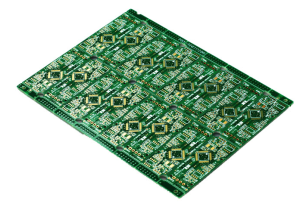
Kingda Professional PCB Manufacturing Solutions
As an experienced PCB Manufacturing partner, Kingda provides reliable PCB solutions with advanced manufacturing capabilities and strict quality control.
Kingda supports various PCB Surface Finish technologies, including:
- HASL
- OSP
- ENIG
- Immersion Tin
- Immersion Silver
- ENEPIG
- Hard Gold Plating
By selecting the appropriate surface treatment according to product requirements, Kingda helps customers improve PCB performance, assembly reliability, and product lifetime.
From prototype development to mass production, Kingda focuses on delivering high-quality printed circuit boards that meet the requirements of modern electronic industries.
Conclusion
The selection of PCB Surface Finish directly affects solderability, electrical performance, manufacturing efficiency, and product reliability.
There is no single surface treatment technology suitable for all PCB applications. The best choice depends on PCB design requirements, assembly process, environmental conditions, and cost objectives.
Through professional process management and advanced manufacturing technology, Kingda provides customized PCB Manufacturing solutions to help customers achieve reliable and high-performance electronic products.