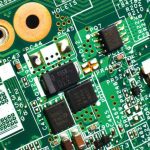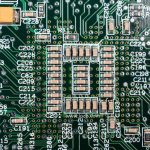
With the continuous development of electronic products toward miniaturization, lightweight design, and higher integration, traditional through-hole assembly methods can no longer fully meet the requirements of modern electronics. As a result, Surface Mount Technology (SMT) has become one of the most important manufacturing technologies in the electronics industry.
Unlike traditional assembly methods that require component leads to pass through drilled holes on a PCB and be soldered from the backside, SMT Manufacturing directly mounts electronic components onto the surface of the PCB. This technology significantly improves production efficiency, reduces product size, and enables highly automated manufacturing.
Today, most electronic products, including smartphones, computers, automotive electronics, communication equipment, medical devices, and industrial control systems, rely on advanced PCB Assembly processes based on Surface Mount Technology.
As a professional PCB Manufacturing supplier, Kingda combines advanced production equipment and strict process control to provide reliable PCB assembly solutions for different industries.
What Is Surface Mount Technology (SMT)?
Surface Mount Technology (SMT) is an electronic assembly technology that places surface mount devices (SMD components) directly onto the surface of printed circuit boards.
Compared with traditional through-hole technology (THT), SMT offers several advantages:
- Smaller component size
- Higher assembly density
- Faster production speed
- Better electrical performance
- Lower manufacturing cost
- Higher automation level
In traditional PCB assembly, components require wire leads inserted through holes in the PCB. However, SMT Manufacturing eliminates the need for component holes and uses solder paste and automated placement equipment to complete the assembly process.
This allows manufacturers to produce smaller and more powerful electronic products.
Main Equipment Used in SMT Production Line
A complete SMT Process production line usually includes several types of automated equipment:
1. Solder Paste Printing Machine
The solder paste printer is the first step in the SMT Process.
The machine places a stainless-steel stencil above the PCB and applies solder paste onto specific pad locations.
The stencil contains precisely designed openings that match the PCB solder pads. When the scraper moves across the stencil, solder paste passes through these openings and is deposited onto the PCB surface.
The accuracy of solder paste printing directly affects soldering quality. Incorrect solder paste volume may cause defects such as:
- Insufficient solder
- Excess solder
- Solder bridging
- Poor solder joints
Therefore, precise control during this stage is essential in PCB Assembly.
2. Pick and Place Machine
The Pick and Place Machine is the core equipment in modern SMT Manufacturing.
Before production begins, electronic components are prepared according to the bill of materials (BOM). Components are loaded into feeders, which are installed into the designated positions of the placement machine.
The machine automatically:
- Picks components from feeders
- Identifies component orientation
- Corrects placement position through vision systems
- Places components accurately onto PCB pads
Modern placement machines can handle thousands of components per hour with extremely high precision.
The use of advanced placement technology allows manufacturers to achieve:
- High-speed production
- Accurate component positioning
- Stable assembly quality
- Reduced human error
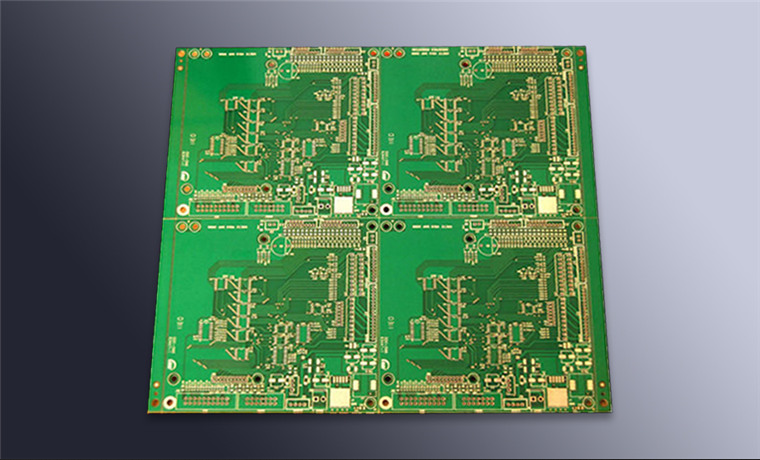
PCB Loading and Production Preparation
Before entering the SMT Process, bare PCBs need to be prepared according to production requirements.
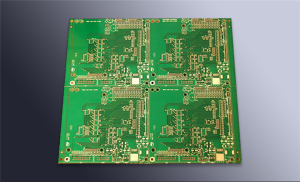
Because SMT production involves high temperatures during soldering, PCBs are usually placed on special carriers or support pallets made from high-temperature-resistant materials.
The production preparation process includes:
- Loading PCB panels onto carriers
- Confirming PCB orientation
- Checking production data
- Transferring boards into the SMT production line
The carrier supports the PCB throughout the entire manufacturing process and ensures stable transportation between different machines.
After assembly is completed, operators remove finished PCB assemblies from the carriers, and empty carriers return to the beginning of the production line for reuse.
Complete SMT Manufacturing Process
A typical SMT Manufacturing process includes the following major steps:
Step 1: Solder Paste Printing
The PCB enters the solder paste printing machine.
A stencil is positioned accurately over the PCB, and solder paste is applied onto the required solder pads.
The thickness and position accuracy of solder paste directly influence final soldering quality.
Step 2: Component Placement
After solder paste printing, the PCB moves to the placement machine.
The Pick and Place Machine places different electronic components, including:
- Resistors
- Capacitors
- Integrated circuits
- Connectors
- Microcontrollers
- BGA components
onto the PCB surface.
High-precision vision systems ensure that every component is positioned correctly.
Step 3: Reflow Soldering
After component placement, the PCB enters the Reflow Soldering oven.
During this process, the PCB passes through several temperature zones:
- Preheating zone
- Thermal soaking zone
- Reflow zone
- Cooling zone
The solder paste melts during the reflow stage and forms permanent solder joints between components and PCB pads.
Proper temperature control is critical because excessive heat may damage components, while insufficient heat may cause weak solder connections.
Step 4: Cooling Process
After reflow soldering, the PCB enters the cooling stage.
Controlled cooling allows solder joints to solidify properly and improves mechanical strength.
A stable cooling process helps prevent:
- Solder cracking
- Component damage
- Thermal stress problems
SMT Inspection and Quality Control
Quality inspection is an essential part of modern PCB Assembly.
After soldering, manufacturers use advanced inspection equipment to verify assembly quality.
Common inspection methods include:
Automated Optical Inspection (AOI)
AOI systems use cameras and image processing technology to detect:
- Missing components
- Incorrect placement
- Solder bridges
- Solder defects
X-Ray Inspection
X-ray inspection is mainly used for hidden solder joints, such as:
- BGA packages
- QFN components
- Multi-layer connections
Functional Testing
Electrical testing verifies whether the assembled PCB operates according to design requirements.
These inspection processes ensure reliable product performance before shipment.
Advantages of SMT Manufacturing
The adoption of Surface Mount Technology provides significant benefits for electronic manufacturing.
1. Higher Assembly Density
Because SMT components are much smaller than traditional components, manufacturers can place more functions into smaller PCB areas.
This supports the development of:
- Smartphones
- Wearable devices
- Compact medical equipment
- Automotive electronics
2. Improved Production Efficiency
Highly automated SMT Manufacturing lines can operate continuously with minimal manual intervention.
Automation improves:
- Production speed
- Manufacturing consistency
- Cost efficiency
3. Better Electrical Performance
Shorter connection paths reduce parasitic effects and improve signal integrity, which is especially important for high-speed electronic products.
SMT Manufacturing Trends
With the development of 5G communication, artificial intelligence, automotive electronics, and smart devices, PCB Assembly technology continues to evolve.
Future SMT trends include:
- Smaller component packages
- Higher placement accuracy
- More intelligent manufacturing systems
- Greater automation
- Advanced inspection technology
Manufacturers must continuously improve equipment capability and process control to meet increasingly complex PCB requirements.
Kingda Professional PCB Assembly and SMT Solutions
As an experienced PCB Manufacturing partner, Kingda provides professional PCB production and assembly services supported by advanced manufacturing equipment and strict quality management.
Kingda’s capabilities include:
- High-precision SMT Manufacturing
- Advanced PCB Assembly
- Automated component placement
- Reliable Reflow Soldering
- Professional inspection and testing
By integrating manufacturing experience with advanced production technology, Kingda helps customers achieve high-quality, reliable, and cost-effective electronic products.
Conclusion
Surface Mount Technology (SMT) has become a fundamental technology in modern electronics manufacturing. Through automated solder paste printing, precision component placement, reflow soldering, and strict inspection processes, SMT enables faster production, higher integration, and improved product reliability.
As electronic products continue to become smaller and more powerful, advanced SMT Manufacturing and professional PCB Assembly capabilities will remain essential for future electronic innovation.