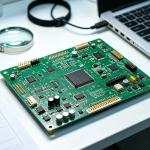
Electroplating is a critical process in PCB Manufacturing. It plays an important role in forming conductive copper layers, improving plated-hole reliability, and ensuring the electrical and mechanical performance of printed circuit boards.
Because electroplating equipment operates continuously under chemical, electrical, mechanical, and thermal conditions, proper equipment maintenance is essential. Poor maintenance can result in unstable plating thickness, uneven copper deposition, poor hole-wall plating, contamination, equipment failures, and production downtime.
In PCB production, the two major types of PCB Electroplating Equipment are Horizontal Plating Lines and Vertical Plating Lines. The main difference lies in how the PCB is transported through the plating process. As a result, the mechanical structure and maintenance requirements of the two systems are somewhat different.
This article provides a practical overview of Electroplating Maintenance, covering plating tanks, vibration mechanisms, cranes, conveyors, filtration systems, electrical components, pipelines, and long-term shutdown procedures.
1. Types of PCB Electroplating Equipment
PCB plating lines can generally be divided into two main configurations:
- Horizontal Plating Line: PCBs are transported horizontally through the plating tanks, typically using rollers or other continuous conveying mechanisms.
- Vertical Plating Line: PCBs are transported vertically using hangers, lifting systems, and cranes.
Although the transportation methods are different, both systems require regular inspection and preventive maintenance to ensure stable plating performance.
In a professional PCB Manufacturing environment, maintenance should be based not only on equipment operating hours but also on chemical conditions, production volume, component wear, and the manufacturer’s maintenance specifications.
2. Maintenance of Plating Tanks
The maintenance requirements for plating tanks on horizontal and vertical lines are generally similar.
Regular Tank Cleaning
Acid-cleaning tanks should generally be inspected and cleaned on a scheduled basis, such as every seven days, depending on the process chemistry and production conditions. Tank solutions should be monitored and replaced according to chemical analysis and the manufacturer’s process-control requirements rather than relying solely on a fixed replacement interval.
Spray systems should also be inspected regularly for blockages. Any deposits or foreign materials that restrict solution flow should be removed promptly.
Inspection of Conductive Components
The conductive supports used in copper and tin plating tanks require regular cleaning. Electrical contact points between anodes, conductive bars, cables, and workpieces can accumulate oxidation products or plating residues.
These contact areas should be inspected and cleaned using appropriate maintenance tools. Severely corroded or damaged components should be replaced rather than reused.
Anode Basket and Anode Material Maintenance
Copper balls, tin bars, and other anode materials should be replenished according to plating consumption and bath analysis.
Anode baskets and anode bags should also be inspected regularly. Damaged, contaminated, or deteriorated anode bags can affect solution cleanliness and plating quality.
After adding significant amounts of anode material, the plating bath should be stabilized and verified before full-scale production. Current-density checks or test panels can be used to confirm that the plating process is operating within the required process window.
Filtration and Tank Cleaning
Filtration is important for controlling particles and contaminants in plating solutions. Tin plating tanks may require periodic deep cleaning and activated-carbon treatment where specified by the chemistry supplier.
The actual cleaning frequency should be determined according to bath chemistry, contamination levels, production volume, and process-control data.
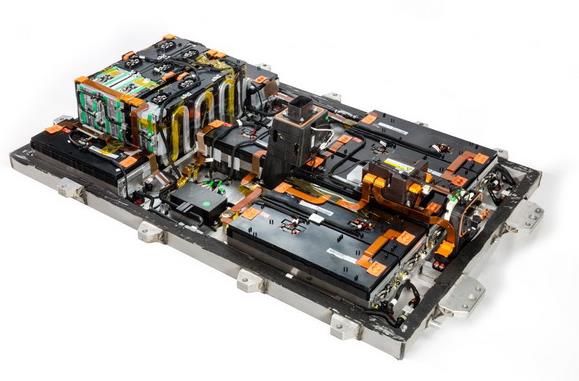
3. Maintenance of the Vibration Mechanism on Vertical Plating Lines
A vibration or oscillation mechanism is commonly used on some vertical plating lines to improve solution exchange and help maintain uniform copper deposition on the PCB surface and inside plated through-holes.
Stable mechanical movement is particularly important for achieving consistent plating distribution.
Routine Inspection
The following items should be checked regularly:
- Verify that the gearbox operates smoothly.
- Inspect gearbox seals for leakage.
- Check the tightness of motor mounting bolts.
- Inspect vibration rubber components for wear and deformation.
- Replace severely worn rubber components promptly.
- Check abnormal vibration, noise, or mechanical movement.
Loose bolts or worn vibration components can cause unstable movement and may eventually damage other mechanical parts.
Electrical and Bearing Maintenance
Approximately every 180 days, depending on equipment operating conditions, inspect the electrical connections inside the junction box.
If terminals are loose, tighten them properly. If cable insulation has melted, cracked, aged, or otherwise deteriorated, replace the affected cable to maintain electrical insulation and operating safety.
Bearings in the vibration mechanism should also be inspected periodically. Severely worn bearings should be replaced, and lubrication should be performed according to the equipment manufacturer’s requirements.
4. Maintenance of Cranes and Hangers on Vertical Plating Lines
Vertical plating lines typically use cranes and hangers to transport PCBs between different process tanks.
Because these components repeatedly operate in a chemically aggressive production environment, regular cleaning and mechanical inspection are essential.
Weekly Cleaning
Cranes and hangers should be cleaned regularly, for example every seven days under normal operating conditions.
Cleaning should remove accumulated plating solution, chemical residues, and other contaminants. The cleaning method should be compatible with the equipment materials and plating chemistry.
Monthly Inspection
Approximately every 30 days, inspect the following:
- Hanger deformation or mechanical damage
- Hanger contact points
- Crane drive components
- Motor operation
- Gearbox condition
- Transmission components
- Abnormal noise or vibration
Any damaged hanger should be repaired or replaced immediately because unstable PCB positioning can affect plating uniformity and may create a risk of PCB damage.
Deep Maintenance
Approximately every 180 days, perform a more comprehensive cleaning and maintenance operation.
Where required, hangers should be removed from the crane for detailed cleaning and inspection. Mechanical transmission components should also be inspected for wear, corrosion, lubrication problems, and alignment.
5. Maintenance of Conveyors on Horizontal Plating Lines
Horizontal plating lines normally use roller-based conveying systems to continuously transport PCBs through different processing tanks.
Because the rollers directly contact or support the PCB during transportation, their condition can have a direct influence on PCB cleanliness and transportation stability.
Roller Cleaning
Rollers should be cleaned regularly, typically every seven days or according to production conditions.
Foreign materials, plating residues, chemical deposits, and other contaminants should be removed to prevent contamination of PCB surfaces.
Clean rollers also help reduce PCB slipping, jamming, scratching, and unstable transportation.
Coupling and Drive-System Inspection
The following components should be inspected regularly:
- Roller couplings
- Gearbox gears
- Drive shafts
- Bearings
- Transmission components
- Motors
- Roller alignment
Loose couplings should be tightened promptly. Worn or damaged rollers should be replaced to prevent PCB jamming or transportation failure.
A detailed inspection of the entire transmission system should be performed periodically to identify abnormal wear before it results in unexpected equipment downtime.
6. Maintenance of the Circulation Filtration System
The circulation filtration system plays an important role in maintaining plating-solution cleanliness and process stability.
Particles and contaminants in plating solutions can negatively affect plating appearance, copper deposition, surface quality, and plated-hole performance.
Filter Inspection
The filtration system should be inspected regularly for:
- Filter leakage
- Reduced flow rate
- Abnormal pressure
- Filter blockage
- Damaged filter housings
- Loose connections
Filter cartridges should be cleaned or replaced according to their condition, chemical compatibility, pressure drop, and the manufacturer’s recommendations.
Instead of relying solely on a fixed replacement cycle, filter replacement should be supported by actual process data.
Pump Maintenance
Circulation pumps should be inspected and cleaned regularly.
Air-pump filters and protective screens should also be cleaned to prevent dust and contamination from restricting airflow.
The pump motor’s electrical connections should be inspected periodically. Loose terminals should be tightened, while aged or damaged cables should be replaced to maintain reliable electrical contact and insulation.
7. Maintenance of Electrical and Other Components
Electrical systems are critical parts of PCB Production Equipment. Regular inspection can help prevent unexpected shutdowns and improve operational safety.
Power Supply Inspection
The output of the plating power supply should be checked regularly to ensure stable current and voltage.
The following components should also be inspected:
- Power supply units
- Electrical control cabinets
- Cooling fans
- Heat sinks
- Contactors
- Relays
- Capacitors
- Reactors
- Resistors
- Wiring terminals
- Electrical connectors
Dust and contamination should be removed from cooling components because excessive buildup can restrict heat dissipation and increase operating temperatures.
Electrical Component Inspection
Approximately every 30 days, depending on the operating environment, inspect power components for:
- Corrosion
- Overheating
- Loose connections
- Insulation deterioration
- Burn marks
- Abnormal electrical parameters
Damaged or corroded components should be replaced promptly.
Contactors and relays should be checked for poor contact, sticking, abnormal switching, or excessive wear.
The main parameters of capacitors, reactors, and resistors should also be monitored. Components showing abnormal performance should be replaced according to equipment maintenance procedures.
8. Automatic Feeding System Maintenance
Automatic feeding systems are responsible for accurately transferring PCBs into the plating line.
The feeding mechanism should be inspected and calibrated regularly, such as every seven days under normal production conditions.
The inspection should include:
- PCB positioning accuracy
- Sensor operation
- Feeding speed
- Mechanical alignment
- Clamping components
- Electrical connections
- Control-system response
Incorrect calibration can cause PCB misalignment, transportation errors, mechanical interference, or unstable plating results.
9. Maintenance of Electric Heaters
Electric heaters are used to maintain the required temperature of certain process solutions.
Scale and chemical deposits can accumulate on heater surfaces over time. Excessive buildup reduces heat-transfer efficiency and may cause localized overheating.
Therefore, heaters should be inspected and cleaned regularly. Approximately every seven days may be appropriate for heavily used systems, but the actual interval should be determined according to solution chemistry and equipment conditions.
10. Water and Air Pipeline Maintenance
Water and air pipelines are essential auxiliary systems in PCB Electroplating equipment.
All pipelines should be inspected regularly for:
- Water leakage
- Chemical leakage
- Air leakage
- Corrosion
- Cracks
- Loose fittings
- Blockages
- Abnormal pressure
A weekly inspection is recommended as a basic preventive-maintenance practice. However, critical chemical pipelines may require more frequent inspection.
Any leaking, cracked, severely corroded, or damaged pipeline should be repaired or replaced immediately.
Preventing chemical leakage is important not only for equipment reliability but also for production safety and environmental protection.
11. Maintenance Before Long-Term Equipment Shutdown
If a plating line will remain shut down for an extended period, comprehensive maintenance should be performed before the shutdown.
Simply turning off the equipment is not sufficient. Residual chemicals, moisture, and contaminants can continue to corrode tanks, pipelines, electrical connections, mechanical components, and other equipment.
Recommended Shutdown Procedures
Before long-term shutdown:
- Clean the production floor and remove standing water.
- Keep machine platforms and equipment surfaces clean and dry.
- Thoroughly clean and dry plating tanks.
- Drain process chemicals according to approved chemical-handling procedures.
- Clean chemical pipelines and remove residual process solutions.
- Clean and remove filter cartridges as required.
- Clean filtration housings and circulation systems.
- Clean all heaters and remove accumulated scale.
- Protect motors against moisture and contamination.
- Lubricate applicable bearings and mechanical components according to the equipment manufacturer’s instructions.
- Inspect electrical cabinets and protect them against moisture.
- Disconnect or isolate equipment power according to approved electrical-safety procedures.
Particular attention should be paid to chemical residues remaining in pipelines, pumps, filters, tanks, and circulation systems. These residues may cause corrosion or crystallization during extended downtime.
12. Importance of Preventive Maintenance in PCB Manufacturing
The performance of PCB Electroplating Equipment directly affects PCB manufacturing quality.
Inadequate maintenance may lead to:
- Uneven copper thickness
- Poor plated-through-hole quality
- Insufficient copper deposition
- Surface defects
- Contamination
- PCB transportation problems
- Equipment leakage
- Electrical failures
- Unplanned production downtime
- Increased maintenance costs
By contrast, a preventive-maintenance program can help manufacturers identify potential problems before they develop into major equipment failures.
Maintenance records should include inspection dates, equipment conditions, replacement parts, abnormal findings, corrective actions, and follow-up results. This creates a traceable maintenance history and helps production teams optimize maintenance intervals.
13. Building an Effective Electroplating Maintenance Program
A professional Electroplating Maintenance program should combine daily inspections, periodic preventive maintenance, equipment calibration, chemical management, and predictive maintenance.
A practical maintenance schedule can include:
| Maintenance Frequency | Recommended Focus |
|---|---|
| Daily | Equipment condition, leaks, abnormal noise, current, voltage, temperature, and solution circulation |
| Every 7 days | Tank inspection, roller cleaning, hanger/crane cleaning, pipeline inspection, filter inspection, and heater cleaning |
| Every 30 days | Electrical components, transmission systems, pumps, sensors, and mechanical components |
| Every 90 days | Anode systems, anode bags, conductive contacts, and selected mechanical components |
| Every 180 days | Deep cleaning, bearing inspection, crane/hanger maintenance, and comprehensive equipment inspection |
| Long-term shutdown | Complete cleaning, drying, lubrication, chemical drainage, electrical protection, and corrosion prevention |
The exact intervals should always be adjusted according to equipment design, production volume, chemical system, operating environment, and the original equipment manufacturer’s maintenance instructions.
Conclusion
Both horizontal and vertical plating lines are important types of PCB Electroplating Equipment, but their transportation mechanisms and mechanical structures require different maintenance approaches.
Horizontal lines require particular attention to rollers, couplings, drive systems, and PCB transportation. Vertical lines require careful maintenance of cranes, hangers, vibration mechanisms, and lifting systems. Both systems also depend on reliable plating tanks, filtration systems, pumps, electrical components, heaters, and water and air pipelines.
For modern PCB Manufacturing, equipment maintenance should not be treated as a secondary activity that is performed only after a failure occurs. Preventive maintenance is an essential part of process control and production management.
Kingda can support customers with professional PCB manufacturing and assembly services based on controlled processes, appropriate equipment management, and consistent quality requirements. By maintaining production equipment properly and monitoring critical process parameters, manufacturers can improve plating consistency, reduce equipment downtime, increase production efficiency, and support stable PCB quality and long-term reliability.