Military-Grade vs. Industrial PCB: Key Differences, Cost & Performance
In modern high-reliability electronic systems, the performance of a printed circuit board (PCB) directly determines whether equipment can operate stably in harsh environments. Both military-grade PCBs and industrial PCBs belong to the high-reliability electronics manufacturing domain, yet they differ significantly in materials, processes, cost, and application requirements. This article provides an in-depth analysis of the key differences and offers practical USD price ranges to help you make an informed decision.
1. What Is a Military-Grade PCB?
Military-grade PCBs are high-reliability circuit boards specifically designed for defense, aerospace, combat systems, and other mission-critical applications. These boards must maintain stable performance under extreme temperatures, high shock, high humidity, and strong vibration.
Typical applications include:
- Radar systems
- Missile guidance and weapon control systems
- Aircraft avionics
- Encrypted communication systems
- Tactical computing systems
Key certification standards:
- MIL-PRF-31032 (military PCB performance specification)
- MIL-STD-810 (environmental
stress testing)
- IPC-6012DS (high-reliability PCBs for harsh environments)
Military-grade PCBs use materials and testing standards that are several times stricter than conventional industrial boards, representing the highest tier of high-reliability electronics.
2. What Is an Industrial PCB?
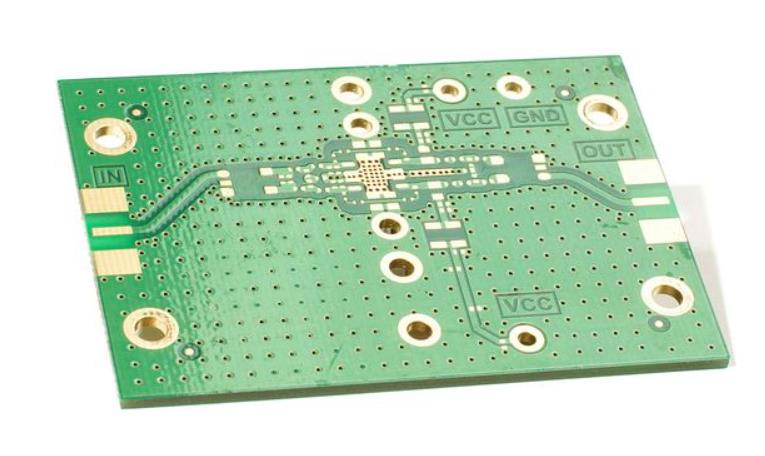
Industrial PCBs are widely used in automation systems, robotics, energy equipment, power management systems, and transportation equipment, emphasizing durability and cost balance.
Common applications include:
- Industrial automation control systems
- Power and energy equipment
- Rail transit electronics
- Industrial robotics
- Factory data acquisition systems
Common certification standards:
- IPC Class 2 / Class 3
- IEC industrial safety standards
- UL flame retardancy ratings (e.g., UL94V-0)
Industrial PCBs are reliable but have lower environmental requirements than military-grade boards, making them more cost-competitive.
3. Core Differences Between Military-Grade and Industrial PCBs
3.1 Material Selection
Military-Grade PCB: High Tg (>170°C) copper-clad laminates, PTFE, and ceramic-filled materials for high-frequency applications. Specialty substrates for high-frequency, high-temperature, and high-strength environments.
Industrial PCB: Standard FR4 as the base material, with some enhanced FR series used. Greater focus on cost and production efficiency.
For advanced PCB manufacturing, material selection is the first critical step in ensuring performance and reliability.
3.2 Temperature and Environmental Performance
Military-Grade PCB: Operating temperature range of -55°C to +200°C. High resistance to shock, humidity, and vibration. Superior corrosion and oxidation resistance.
Industrial PCB: Typical operating temperature range of -20°C to +85°C. Standard shock and dust protection.
3.3 Layer Count and Stack-Up
Military-Grade PCB: Multi-layer / HDI / hybrid material stack-ups with higher signal integrity (SI) requirements and multiple EMI shielding structures.
Industrial PCB: Standard multi-layer boards, typically 2–8 layers, with moderate SI requirements.
3.4 EMI/EMC Performance
Military-Grade: Extremely high electromagnetic interference resistance, with multiple ground layers and shielded copper layers.
Industrial: EMC compliance mainly meets industry regulations.
Proper PCB design and layout is essential for achieving the required EMI/EMC performance in both grades.
3.5 Testing and Quality Certification
Military-Grade PCB must pass:
- Vibration testing
- Shock testing
- Temperature cycling testing
- Highly accelerated life testing (HALT)
- Comprehensive electrical performance inspection
Industrial PCB: Standard testing based on IPC/UL specifications.
4. Cost Comparison: Military-Grade vs. Industrial PCB
| Parameter | Military-Grade PCB | Industrial PCB |
|---|---|---|
| Price per sq. inch | $0.25 – $1.20 (material dependent) | $0.10 – $0.35 |
| Process complexity | High (HDI, hybrid materials, heavy copper) | Moderate |
| Material cost | High (PTFE, ceramics, etc.) | Moderate (FR4) |
| Testing cost | High (full military standard testing) | Moderate |
| Lead time | 10–20 days | 5–10 days |
For cost-sensitive projects with moderate environmental requirements, industrial PCBs offer excellent value. However, for mission-critical systems, the higher cost of military-grade boards is justified by their superior reliability.
5. Performance Comparison Table
| Parameter | Military-Grade PCB | Industrial PCB |
|---|---|---|
| High-temperature resistance | ★★★★★ | ★★★★ |
| Frequency performance | ★★★★★ | ★★★ |
| Vibration resistance | ★★★★★ | ★★★★ |
| Environmental adaptability | ★★★★★ | ★★★ |
| Lifecycle | 15–25 years | 8–12 years |
| Application severity | Extremely high | Moderate |
6. When to Prioritize Military-Grade PCB?
- Extreme temperatures (high / low)
- High vibration and high shock environments
- Defense, aerospace, and tactical systems
- Zero-tolerance mission-critical applications
If your project involves high-frequency radar, communications, or weapon systems, military-grade PCBs are the only reasonable choice.
7. When to Choose Industrial PCB?
- Cost-sensitive projects
- Moderate environmental requirements
- Industrial control, robotics, power systems
- Mass production with cost efficiency as a priority
Industrial PCBs are sufficient for most commercial and industrial applications. For prototype PCB assembly and low-volume runs, industrial boards offer a practical balance of cost and performance.
8. gopcb: Your Reliable Partner for Military-Grade and Industrial PCBs
gopcb offers comprehensive PCB solutions tailored to your specific needs:
- Military-Grade PCBs: High Tg, PTFE, ceramic substrates, HDI, and hybrid stack-ups
- Industrial PCBs: FR4 multi-layer boards, heavy copper, high-temperature boards
- Strict compliance with MIL / IPC / UL standards
- Batch orders from 1 to 10,000+ units accepted
Reference USD pricing:
- Industrial PCB: $0.10 – $0.35 / sq. in
- Military-Grade PCB: $0.25 – $1.20 / sq. in
gopcb advantages:
- Internationally certified facilities (UL / ISO / IPC)
- Fully automated line manufacturing with AOI and X-ray inspection
- Free engineering support for stack-up, routing, and design for manufacturability (DFM)
Whether you need a high-reliability military board or a cost-effective industrial board, gopcb delivers professional manufacturing solutions, engineering optimization, and transparent pricing. For turnkey PCB assembly and components procurement, we provide end-to-end support to streamline your production.
9. Supply Chain, Manufacturability, and Long-Term Reliability
9.1 Supply Chain Stability
Military-grade PCBs require specialty materials with stricter supply chain controls and stable strategic material sourcing. Industrial PCBs use globally available FR4 materials with faster supply times.
9.2 Manufacturability
Military-Grade PCB: High-density routing, tighter copper thickness requirements, more complex stack-ups, and higher hole-wall quality standards.
Industrial PCB: Standardized processes that are easier for high-volume manufacturing.
9.3 Long-Term Reliability
Military-grade PCBs have a lifespan of 20+ years, designed for long-term missions. Industrial PCBs typically last 8–12 years, which is sufficient for most industrial applications.
10. Frequently Asked Questions (FAQ)
1. How long do military PCBs last?
Typically 15–25 years, depending on materials and operating conditions.
2. Do military-grade PCBs always use PTFE?
Not necessarily. However, for high-frequency radar and communication systems, high-frequency materials such as PTFE and Rogers are commonly required.
3. Why are military-grade PCBs more expensive than industrial PCBs?
Higher-grade materials, complex processes, and stringent testing significantly increase the cost.
4. Can gopcb produce military-grade PCBs?
Yes. gopcb offers full material traceability, high-reliability testing, and strict quality control for military-grade PCB production.
11. Conclusion
Military-grade and industrial PCBs differ significantly in materials, performance, environmental resilience, cost, and application domains. If your project involves high-temperature environments, missile systems, aerospace, or zero-tolerance applications, military-grade PCBs are the only viable choice. For automation, power systems, and general industrial equipment, industrial PCBs offer superior cost efficiency.
Whether you require high-grade military boards or high-value industrial boards, gopcb provides professional manufacturing solutions, engineering support, and competitive pricing to safeguard your electronic projects.
© 2026 gopcb — https://www.gopcba.com/