PCBA Inspection vs Testing: Key Differences and Methods
Understanding PCBA inspection vs testing is essential for anyone who needs to specify quality requirements for an assembled board. Inspection checks whether the board was built correctly: components are in the right place, solder joints are complete, and visible or internal structures match the design. Testing checks whether the board works correctly when power is applied and signals are processed. Both activities are needed in a professional assembly flow, but they answer different questions and use different equipment.
This guide explains the difference between inspection and testing, describes common methods such as AOI, X-ray, SPI, ICT, and FCT, and shows how the two work together to reduce defects and field failures.
What Is PCBA Inspection?
PCBA inspection is the process of comparing the physical assembly against a manufacturing standard. It focuses on solder joint quality, component placement, orientation, absence of debris, solder mask condition, and other visible characteristics. Inspection can occur at multiple stages: solder paste inspection before placement, AOI after reflow, X-ray for hidden joints, and visual review of the final board.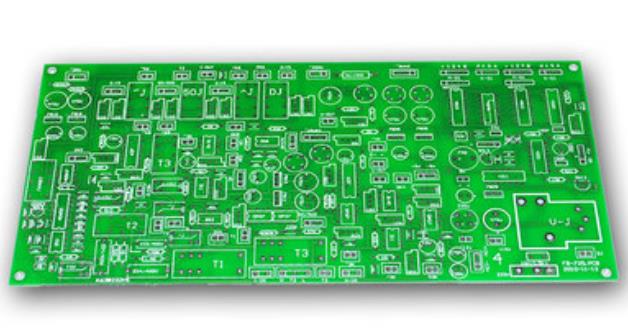
The purpose is to catch manufacturing defects early. A missing component, rotated part, insufficient solder, solder bridge, tombstone, or misplaced BGA ball should be identified before the board moves further through the line. Early detection reduces rework and prevents a defective assembly from being packaged as a finished product.
Inspection methods are generally non-destructive. They evaluate appearance and structure without applying electrical power to the circuit.
What Is PCBA Testing?
PCBA testing verifies that the assembled board performs its intended electrical function. Testing applies power, signals, loads, or test programs and checks for correct output, communication, timing, current, voltage, and other functional parameters.
Common test methods include in-circuit testing, functional testing, burn-in, and environmental testing. ICT uses a bed of nails to check individual circuit nodes, while FCT exercises the board as a complete product or module. Burn-in and environmental tests evaluate stability over time or under temperature, humidity, and vibration.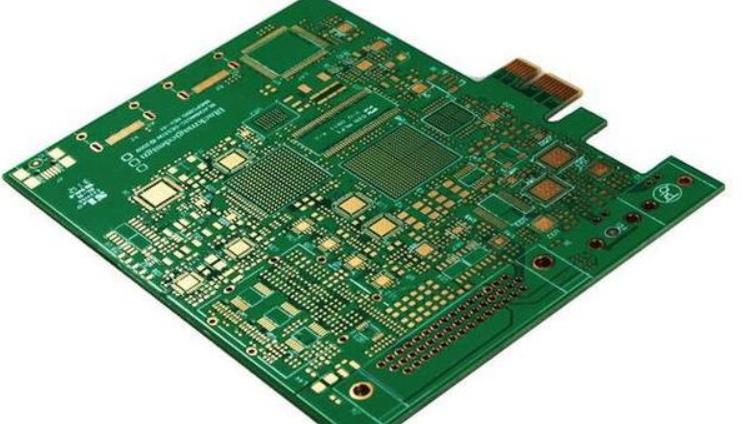
Testing is where hidden functional problems become visible. A board can pass visual inspection but still fail because of an incorrect component value, a damaged IC, a programming error, or a design issue.
Key Difference: Manufacturing Defects versus Functional Problems
Inspection is oriented toward manufacturing defects. It looks for missing, wrong, or poorly soldered components and dimensional issues. Testing is oriented toward functional problems such as short circuits, open circuits, incorrect logic, signal noise, or excessive power consumption.
The two processes happen at different points in the flow. Inspection is usually performed during and immediately after assembly, when it is still easy to correct a placement or soldering fault. Testing is usually performed after assembly is complete, when the whole circuit can be powered and exercised.
They are not alternatives. A high-quality PCBA provider uses inspection to make sure the board is built correctly and testing to make sure it works correctly.
AOI and Visual Inspection
Automated optical inspection uses cameras and image-processing software to compare the assembled board with the expected design. AOI can identify missing components, wrong polarity, shifted placement, solder bridges, insufficient solder, and defects around leads.
AOI is fast and suitable for production lines, but it can only see surfaces that are visible from the camera angle. Components under shields, connectors, or large parts may not be fully inspectable.
Visual inspection remains useful for low-volume work, final appearance checks, and areas that require human judgment. However, it is slower and less consistent than automated inspection for high-volume production.
X-Ray Inspection for Hidden Solder Joints
BGA, QFN, and other area-array packages place solder joints under the component body. AOI cannot see these joints directly, so X-ray inspection is used to check solder volume, voids, bridges, and alignment.
X-ray can be 2D or 3D depending on the level of detail required. It is especially valuable for automotive, medical, communication, and high-density products where a hidden solder defect can cause intermittent failure in the field.
Not every board requires X-ray. The test plan should be based on component types, board complexity, and the reliability target of the final product.
SPI and Solder Paste Control
Solder paste inspection occurs before component placement. A 3D SPI system measures the height, area, volume, and position of paste printed on each pad. It can catch stencil clogging, insufficient paste, excess paste, or misalignment before expensive components are placed.
Controlling solder paste quality at this early stage reduces the number of soldering defects later in the line. SPI data can also be used to adjust the printer quickly when a problem begins.
This method belongs to the inspection category because it checks the physical condition of the board before the circuit is electrically functional.
In-Circuit Testing
In-circuit testing, or ICT, uses a fixture with probes that contact test points on the board. It measures resistance, capacitance, diode drop, and other electrical characteristics at individual nodes without fully operating the product.
ICT is useful for detecting shorts, opens, missing components, wrong values, and some assembly defects. It is fast when a fixture is available, but the fixture itself adds cost and must be designed for the specific board.
ICT is commonly used for boards that will be produced in high volume, where the fixture cost can be spread across many units.
Test coverage should also include programming when the board contains flash memory or a microcontroller. Firmware can be loaded during the same test step, and the board can then be checked with the production software version to confirm that hardware and software are compatible.
Functional Testing
Functional testing verifies that the board operates according to its product specification. The test program may simulate the actual application, load firmware, send and receive signals, control outputs, and check user-visible behavior.
FCT is the closest test to real-world use and catches integration issues that ICT cannot see. It can also test software and hardware together when the assembled board contains a microcontroller or processor.
Functional test fixtures and programs require development time, but they provide strong confidence that each delivered board will work when installed by the customer. A capable PCBA testing process can combine ICT, FCT, and automated inspection for a complete quality plan.
Burn-In and Environmental Testing
Burn-in runs boards under power for an extended period to reveal early failures caused by weak components, poor solder, or marginal design. Environmental testing exposes boards to temperature cycling, humidity, thermal shock, vibration, or other conditions that match their intended application.
These tests are more expensive and slower than production checks, so they are usually reserved for high-reliability industries such as automotive, medical, aerospace, and industrial control.
The customer should specify which reliability tests are required and how many samples must pass before production is accepted.
Why Inspection and Testing Should Work Together
Inspection reduces the number of physical defects that reach the test stage. Testing catches functional problems that inspection cannot detect. Used together, they create a quality chain that protects both the manufacturer and the customer.
For example, AOI may find a missing resistor before reflow, X-ray may detect a BGA void after reflow, ICT may catch a short caused by a misplaced component, and FCT may confirm that the final module communicates correctly. Each method has a specific job.
A well-designed inspection and test plan also produces data. If defects increase, engineers can trace the problem to placement, paste, solder profile, component lot, or design and correct it before large volumes are built.
The assembly process must also be stable enough for the inspection and test results to be meaningful. If placement, reflow, and cleaning vary from lot to lot, the factory will spend extra time repairing boards that should never have been defective. Controlled PCB manufacturing and consistent assembly parameters create a foundation for high first-pass yield.
Choosing the Right Test Plan
The right plan depends on product complexity, component types, production volume, industry requirements, and cost target. A simple consumer board may only need AOI and basic FCT. An automotive controller may need X-ray, ICT, FCT, burn-in, and environmental sampling.
Designers should include test points, accessible pads, and programming interfaces in the layout so ICT and FCT can be performed efficiently. This is another reason to involve the assembly partner during design.
For boards with very high quality requirements, the manufacturing flow should also use disciplined SMT PCB assembly, controlled materials, and a strong quality management system.
Traceability also makes the plan stronger. Test and inspection records should identify the board serial number, relevant date, equipment, operator, and material lot when a failure occurs. This allows the manufacturer to find the root cause and prevent the same issue from repeating in the next order.
Conclusion
PCBA inspection vs testing is not a competition between two methods. Inspection confirms that the board was assembled correctly, while testing confirms that it works correctly. Together they reduce rework, improve delivery quality, and lower the risk of field failures.
When choosing a PCBA partner, ask for a clear inspection and test plan based on your product. The goal should be complete coverage from solder paste through functional operation, not just a low price or a fast delivery date.