China PCB Industry: Opportunities and Challenges for PCB Manufacturing
Why China Became the Center of Global PCB Manufacturing
The China PCB industry has grown from a low-cost production base into the largest printed circuit board supply center in the world. Nearly half of the global PCB output is now manufactured in China, and the country supplies bare boards, assembled circuit boards, and finished electronic modules to customers on every continent. For overseas buyers, understanding how this industry is changing matters as much as comparing unit prices, because the structure of the market, the capability of suppliers, and the cost of the product are all shifting at the same time.
This article reviews the current position of China PCB manufacturing, explains the opportunities created by new applications and by the migration of global electronics demand, and then examines the process, quality, environmental, and supply chain challenges that buyers and manufacturers must solve together. The goal is practical guidance for anyone who sources printed circuit boards from China and wants a supplier that can turn a design into a reliable product.
China’s rise in printed circuit boards did not happen by accident. The country built a complete electronics ecosystem over three decades: laminate and copper foil producers, chemical suppliers, drilling and plating shops, component distributors, assembly lines, and testing houses all operate within a short distance of each other. A board design can move from prototype to volume production without crossing borders, which shortens lead times and makes engineering changes easier to manage. This concentration of capability is the main reason the China PCB industry supplies a large share of the boards purchased by foreign electronics companies.
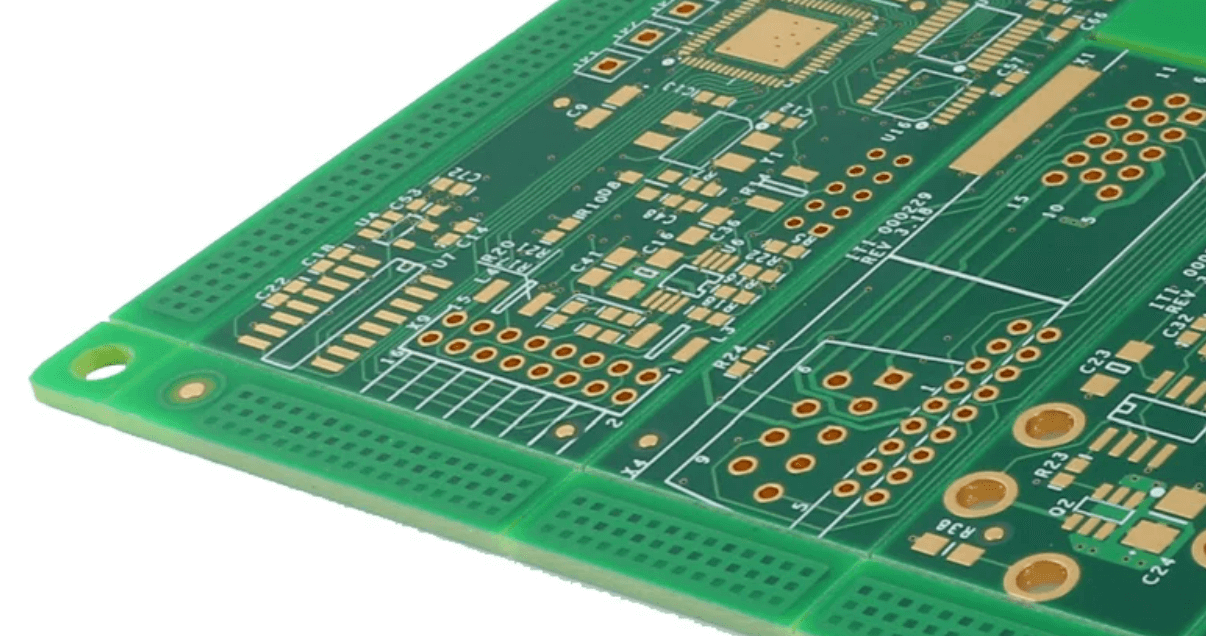
Scale also drives cost. High-volume factories spread fixed costs over millions of square meters of production per year, and competition among thousands of PCB factories keeps prices transparent. Buyers benefit from competitive quotations, but they also need to distinguish genuine manufacturing capability from simple resale. The most reliable suppliers combine large capacity with in-house engineering review, which is exactly the model used by gopcb when it supports customers with PCB manufacturing services from prototype through mass production.
The industry is still highly decentralized compared with semiconductor manufacturing. Industry statistics show thousands of registered circuit board and assembly companies in China, with the largest players holding only a modest share of the total market. No single company dominates the way a few foundries dominate chips, so quality, delivery, and service still decide which factory wins an order.
Market Trends Reshaping the China PCB Industry
The China PCB industry is no longer growing simply because labor is inexpensive. Growth today comes from products that need more boards and more advanced boards. Electric vehicles carry several times the board area of a conventional car, with heavy copper layers and thick boards for battery management and motor control. Industrial automation, energy storage, medical devices, and communication infrastructure all consume growing numbers of PCBs, and each application pushes different requirements: higher reliability for automotive, finer lines for wearable devices, and larger panel sizes for servers.
Consumer electronics once dominated the Chinese market, but the mix is changing. Smartphones still demand high-density interconnect technology and small components, yet the fastest growing demand now comes from data centers, artificial intelligence hardware, and the Internet of Things. These segments reward suppliers that can handle complex layer counts, controlled impedance, and consistent repeatability across large batches. Buyers who source artificial intelligence PCBA solutions or high-layer-count server boards increasingly look for a factory with genuine process depth rather than a broker with low prices.
Exports remain the backbone of the sector. Foreign buyers purchase circuit boards, assembled units, and finished electronic modules from Chinese suppliers, and for many international companies Chinese-made PCBs represent more than half of their total procurement. The trend toward regional supply chains has created new hubs in Southeast Asia, yet China’s complete ecosystem keeps its share large. What changed is the requirement: international customers now expect the same environmental compliance, traceability, and quality documentation that they receive from suppliers in their home markets.
Opportunities for Buyers and Manufacturers
The largest opportunity in the China PCB industry is access to advanced capability at competitive cost. A well-chosen Chinese factory can produce two-layer prototypes within a few days and scale the same design to hundreds of thousands of boards with consistent quality. Rapid prototyping services have matured to the point where design files submitted in the morning can be reviewed, quoted, and put into production within hours, which shortens the development cycle of new electronics dramatically.
Vertical integration is another advantage. Many Chinese suppliers now control more of the chain: board fabrication, component sourcing, SMT assembly, testing, and even enclosure assembly can be combined under one roof. For the customer this removes interfaces between vendors, simplifies quality control, and shortens total lead time. A single turnkey PCB assembly partner takes the design files and returns tested, ready-to-ship products, including procurement of components that are difficult to source individually.
New applications open additional doors. Automotive electronics require suppliers with strict process discipline; energy systems need high-current design experience; medical products demand full traceability. Each of these niches is a growth area for factories that invest in specialized equipment and trained engineers. For buyers, the opportunity is to lock in a manufacturing partner early in the product life cycle, because the same factory that proves itself on a prototype is usually the one that delivers the smoothest ramp to volume.
Process and Technology Challenges
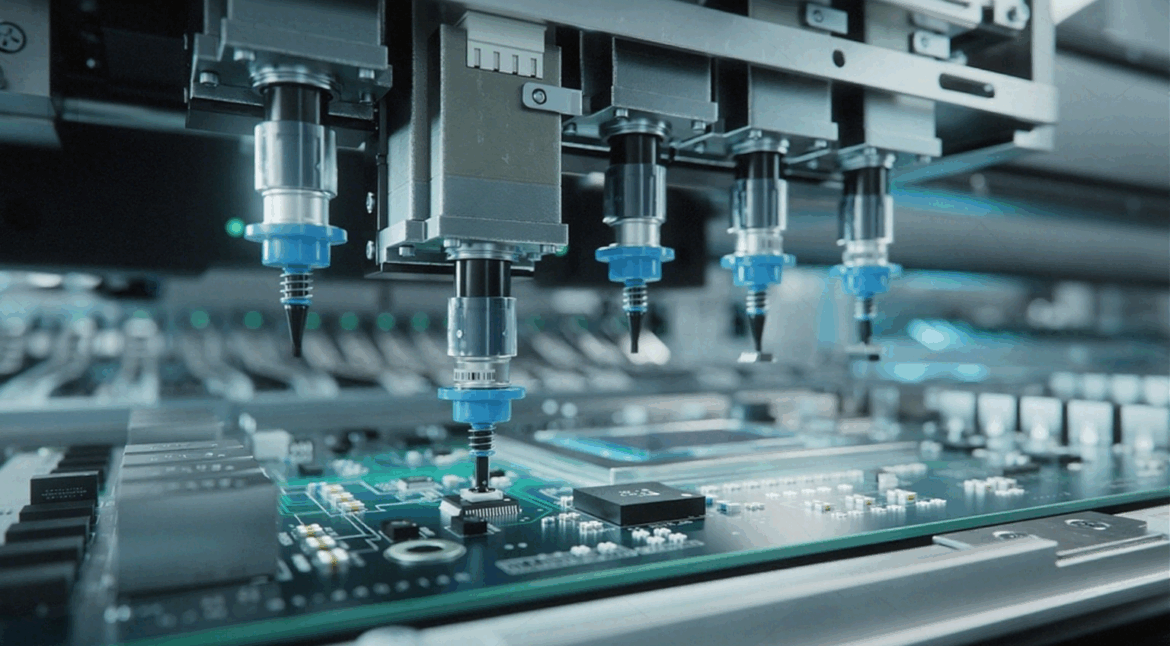
The main challenge facing the China PCB industry is the rising difficulty of the products themselves. Electronic devices keep shrinking while their function keeps expanding, which pushes board designers toward smaller holes, finer lines, and higher layer counts. Component lead spacing is narrower than ever, and assembly equipment must place parts with ever tighter accuracy. These trends raise the bar for solder paste printing, reflow profiles, and inspection, and they make process control the true differentiator between factories.
Yield is where competitiveness is won or lost. A factory that produces low-value boards with a high scrap rate will lose money no matter how cheap its labor is, while a factory that sustains a high first-pass yield on difficult boards can offer better pricing and shorter delivery. BGA soldering reliability, the processing of small-size boards, thick copper plating, and controlled impedance on high-speed designs are typical problem areas that require experience rather than simply new machines. Design for manufacturing decisions made during PCB design layout have a direct effect on how easily these boards can be produced.
Skilled labor is a quieter but equally serious constraint. The industry needs process engineers who understand chemistry, materials, and statistics, yet the sector competes for talent with higher-profile technology companies. Chinese suppliers are responding with automation, data collection, and smarter quality systems that reduce dependence on individual operators. Buyers see the benefit as more consistent output: when a factory monitors its process with real-time data, the quality of the boards delivered this month matches the quality delivered last year.
Quality, Compliance, and Green Manufacturing
Environmental regulation has become a structural part of the China PCB industry. Chemical processes used in board fabrication require careful waste treatment, and enforcement has become stricter across the country. Responsible factories invest in closed-loop water treatment, emissions control, and compliant chemical management, and these investments show up in their certification records. Buyers should ask for the same environmental and quality documentation they would expect from any supplier, including material certificates and test reports.
Green manufacturing is also a market opportunity. Global customers increasingly require carbon reporting and environmentally preferred materials, and Chinese factories that publish clear environmental data gain an advantage with international buyers. Lead-free finishes, halogen-free laminates, and energy-efficient production lines are becoming standard expectations rather than premium options. A supplier’s willingness to document these details is a reliable signal of overall management discipline.
Raw material prices add another layer of pressure. Copper foil, glass fiber, resin, and gold for plating follow global commodity cycles, and sustained increases in material cost squeeze margins across the industry. Suppliers that manage inventory well and lock in material contracts can keep prices stable for their customers, while poorly managed factories pass every swing directly to buyers. Asking a prospective partner how they handle raw material volatility reveals a great deal about their operational maturity.
How Global Buyers Should Choose a Partner in China
Choosing a factory in the China PCB industry should start with engineering capability, not price. A reliable partner reviews the design before quoting, flags manufacturability problems early, and recommends cost-effective changes without being asked. This DFM review saves money and time, especially for designs with tight impedance, heavy copper, or unusual materials. The factory should also show real evidence of process discipline: documented inspection data, equipment maintenance records, and a quality system that covers incoming material, in-process checks, and final testing.
Communication and data transparency are equally important. The best suppliers give customers direct access to production status, inspection reports, and test data through a structured process rather than through informal messages. Component sourcing deserves special attention, because missing or counterfeit parts are among the most common causes of delay in SMT PCB assembly projects. A partner with an established component supply channel can secure long-lead items while the boards are still being fabricated, keeping the whole project on schedule.
Finally, match the supplier to the product life cycle. A prototype shop is ideal for early development, while a high-volume factory suits mature products; a single partner that offers both protects the customer from painful transitions. Consistent quality, honest lead times, and a clear point of contact matter more than marginal price differences, because the true cost of a PCB includes the rework, delay, and field failures that cheap suppliers leave behind.
Why gopcb Is a Strong China PCB Manufacturing Partner
gopcb operates as an integrated PCB manufacturer and assembler in China, combining board fabrication, component procurement, SMT assembly, testing, and logistics in one accountable chain. Every project begins with a free engineering review of the Gerber files and bill of materials, and the engineering team checks stack-up, impedance, solderability, and component availability before production starts. This upfront work is what turns a quotation into a reliable delivery plan.
Because fabrication and assembly are managed together, gopcb can offer PCB assembly services that keep the entire process under one quality system, from the first prototype to large-scale production. The company serves automotive, medical, industrial, energy, and communications customers, with production data and inspection records available for every batch. Send gopcb your design files and expected volumes to receive a detailed quotation, DFM feedback, and a realistic schedule for your next product launch.