



Refrigerator PCB: The Complete 2026 Guide to Fridge Circuit Boards
Why the Refrigerator PCB Matters in 2026
Modern refrigerators are no longer simple cooling boxes. They are smart appliances driven by an electronic control system, and the core of that system is the refrigerator PCB. This circuit board manages temperature, the compressor, defrost, the display and the interface. Whether you are an appliance maker, a repair technician or a buyer looking for an OEM solution, understanding how the refrigerator PCB works helps you choose wisely, lower cost and keep the unit reliable.
What Is a Refrigerator PCB?
A refrigerator PCB is the printed circuit board that controls all the electrical functions of a refrigerator. Compared with the old mechanical thermostat, the modern PCB uses a microcontroller and sensors to automate and optimize the appliance. It controls the refrigeration cycle, regulates the internal temperature, manages the compressor and fans, and drives the display and user controls.
Main Functions of a Refrigerator PCB
Temperature regulation. A temperature sensor measures the cabinet and adjusts the cooling system. Compressor control. The board starts and stops the compressor and, in inverter models, varies the speed to save energy. Automatic defrost. It triggers the defrost cycle on a schedule or based on conditions. Power management. It stabilizes the voltage and keeps each module safe. User interface. It drives the touchscreen, LED display and smart interaction.
Key Components on a Refrigerator PCB
A complete refrigerator control board usually includes a microcontroller as the core computing unit, capacitors and resistors for filtering and signal conditioning, relays and transistors for switching, sensor modules for temperature, humidity and door detection, a power supply that converts AC to DC, and connector interfaces for external devices. Each part works with the next to keep the cycle stable.
How a Refrigerator PCB Works
The board runs a closed loop control system. Sensors capture the temperature and operating state as an input signal. The microcontroller processes the data and decides what to do. It then drives the compressor, fans and heater as the output control. Feedback keeps the system adjusting so the refrigerator runs efficiently and safely, holding a steady temperature under changing conditions.
The control algorithm is what separates a basic thermostat from a modern inverter board. A fixed frequency board simply switches the compressor on and off, which is simple but less efficient. An inverter board varies the speed smoothly, which keeps the temperature stable and cuts energy use. IoT boards add a Wi-Fi module and a more powerful microcontroller so the appliance can be monitored and controlled remotely.
Types of Refrigerator PCB
Single layer vs multilayer. A single layer board is low cost and simple, while a multilayer board performs better for complex control logic. Inverter vs fixed frequency. An inverter board is energy efficient, while a fixed frequency board is simpler and cheaper. Smart IoT PCB. This type supports Wi-Fi remote control and connects to a smart home system. Universal vs original. A universal board is easy to replace and more flexible, while an original board has better compatibility with the specific model.
Common Failure Modes
When a refrigerator PCB fails, the symptoms can include no cooling, a compressor that will not start, an abnormal display, intermittent operation, or burned components and circuits. The failure is often caused by a failing relay, a swollen capacitor, a shorted power stage or a broken sensor connection.
Troubleshooting and Testing
To diagnose a refrigerator control board, inspect the PCB for burn marks, measure voltage and continuity with a multimeter, check the relays and capacitor condition, and test the sensor signals. Always disconnect the power before testing to stay safe. Solid testing shows whether the fault is on the board or elsewhere in the system.
Repair or Replace?
Cost is usually lower for repair, but replacement is more reliable when the board is heavily worn. Repair has a shorter service life in many cases, while a new board lasts longer. Speed depends on availability, and for a critical system a replacement is often the safer choice. For a burned or cracked board, replacing the refrigerator PCB is the best route.
Electromagnetic compatibility and surge protection matter on a refrigerator board because it runs near motors, relays and a compressor. Layout rules such as a clean ground plane, short high current traces and separated high and low voltage zones reduce noise. Surge protection and a proper isolation barrier protect the controller from the switch transients that happen every time the compressor starts.
Manufacturing Process
High quality boards start with design and layout to improve cooling and stability. The fabricator uses standard FR4 laminates and high Tg material where heat resistance is needed. The board is assembled with surface mount and through hole processes, then inspected with automated optical inspection, functional test and a burn in run to confirm reliability. A stable process keeps the board consistent across volume.
2026 Refrigerator PCB Pricing
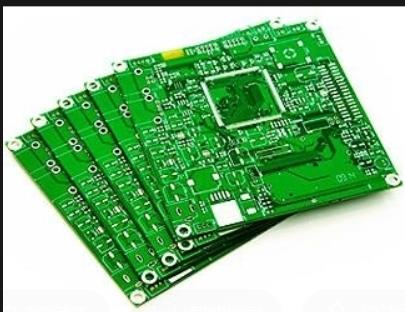
Price varies by type and complexity. As a reference, a single layer board typically costs about 5 to 15 US dollars, a multilayer board 15 to 50 US dollars, an inverter control board 30 to 120 US dollars, and a smart IoT board 50 to over 150 US dollars. The main drivers are layer count, component complexity, order quantity and whether the design is custom. Buying in volume lowers the price per board.
A reliable supplier keeps the same material, copper weight and finish consistent across every batch. That repeatability is what protects your warranty and your brand. Ask for the testing report and confirm the board is built to IPC Class 2 or Class 3 when the appliance is a high end or safety-critical model.
How to Choose a Reliable Supplier
Look for ISO and IPC certifications, proven experience in appliance PCBs, production capacity for large volume, fast lead time and a strong quality system. A supplier that offers custom refrigerator PCB design and assembly, competitive 2026 pricing, global delivery and a focus on high reliability appliance manufacturing is the right partner for a long term product.
Start with PCB manufacturing and PCB prototype service to validate the design, and apply PCB design and manufacturing best practices to keep the board production ready.
Commissioning connects the board to the appliance and checks the full cycle. Run the compressor, fan, heater and defrost sequence in the actual environment to confirm the sensor readings and the control response are correct. This final validation catches wiring, firmware and tolerance errors before the refrigerator ships.
Future Trends
Refrigerator control boards are moving toward IoT connectivity for remote control and monitoring, low power and high efficiency design, AI based adaptive temperature algorithms, and greener manufacturing materials. As appliances get smarter, the PCB must support more sensing and communication while staying reliable and efficient.
FAQ
How do I know if the refrigerator PCB is bad? Common signs are no cooling, an abnormal display or a compressor that will not start.
Can a refrigerator PCB be repaired? Minor damage can be repaired, but serious damage usually calls for replacement.
How long does a refrigerator PCB last? Typically 8 to 15 years depending on the environment and quality.
Are universal PCBs reliable? They handle basic functions well, but compatibility is limited.
How much does it cost to replace a refrigerator PCB? It usually ranges from about 50 to 200 US dollars.
