Oil-Resistant PCB: Coatings for Harsh Environments
Engines, hydraulic systems, and industrial machinery are hostile environments for electronics, and the threat is not only temperature. Oil, lubricant, and chemical exposure attack a board surface continuously, degrading the solder mask, creeping under components, and eventually reaching conductors. An oil-resistant PCB is built specifically to survive that exposure, and the construction changes both the design and the price.
What makes a board oil resistant
The defining feature is a protective surface system: a solder mask or coating formulated to resist oil, lubricant, and chemical attack, combined with a surface finish and structure that prevents contamination from reaching the circuit. The result is resistance to corrosion and contamination rather than merely water resistance.
Applications follow the environment. Automotive engine control units are the classic case, followed by industrial automation equipment, oil and gas instrumentation, and any control system that is exposed to oil over its service life rather than only to humidity.
The construction that delivers it
Four elements work together. The surface protection is usually an epoxy-based solder mask or a conformal coating of the polyurethane or silicone type, selected for chemical resistance. The coating colour is sometimes specified as black, partly for UV resistance and partly because a dark surface tolerates contamination without cosmetic change.
The base material follows the thermal environment: a high Tg FR-4 for ordinary industrial use, aluminium where heat has to be spread, or polyimide where the temperature is higher still. The structure is then adjusted to match, with wider spacing between conductors, sealed or tented vias, and protected legend so that no feature offers the contamination a place to collect.

Oil resistance is a system property. A resistant coating on a board with open vias and exposed edges protects the surface and not the circuit.
What drives the cost
Base material sets the floor: an ordinary two-layer laminate is inexpensive, while an aluminium or polyimide construction costs several times more per board. The coating type then adds a smaller but consistent premium, and a high-performance protective coating costs more than a standard epoxy layer because of the material and the process control it requires.
Layer count multiplies both. A two-layer board is straightforward, four layers add lamination and drilling steps, and six or more layers move into a different price band altogether. Process precision closes the list: a design built to automotive-grade requirements carries additional inspection and verification cost per board, which is justified by the application rather than by the product category.
How the cost behaves with volume and application
Volume moves the price in the usual way. A prototype or small batch carries the tooling and setup cost across a handful of boards, a medium batch reduces the unit price noticeably, and a production order reaches the lowest unit price. The material and the coating do not change with volume; only the fixed cost per board does.
Application changes it too, and sometimes more than volume. An automotive control unit built to the highest protection level is the most expensive of the common cases, an industrial controller with ordinary oil resistance sits below it, and an outdoor module needs both oil and ultraviolet resistance, which places it between the two.
Hidden costs worth asking about
Four items are frequently outside the headline price. Coating qualification or certification adds a per-batch charge, functional testing such as verifying a stated IP rating adds a per-order charge, expedited delivery adds a percentage, and cleaning and inspection can be quoted per board.
None of those is unreasonable, but all of them should appear in the quotation rather than in a later conversation. Asking for an itemised quote, and for the coating to be priced separately from the board, makes the comparison between two suppliers meaningful.
Design rules that make the coating work
A protective layer only protects what it can reach. Keeping conductors further apart gives the coating a continuous surface to cover, and tenting or sealing vias prevents oil from entering the barrel, which is the path that reaches inner layers. Legend should be printed where it will remain legible under a coating rather than where the coating will obscure it.
Geometry matters as well. Sharp edges, deep crevices between components, and narrow gaps between a component body and the laminate are the places where a coating thins out or fails to penetrate, and they are also where contamination collects. Connectors and test points need to stay accessible, which means planning mask openings and coating keep-outs rather than accepting whatever the assembly produces.
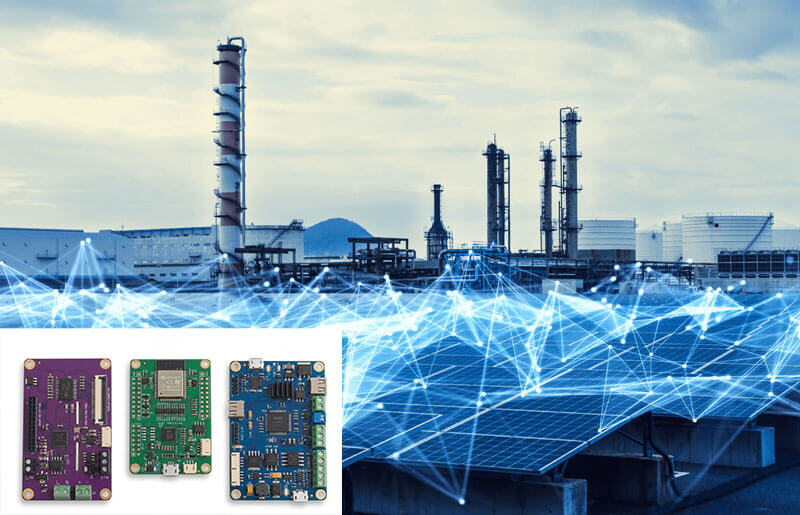
Coverage is a geometry problem before it is a materials problem. The same coating performs differently on two layouts with different clearances.
Getting an accurate quotation
Five items should accompany a request: the fabrication data with the coating layer included, the stackup, the required coating type and its specification, the quantity, and the delivery requirement. Without the coating layer in the data, the coating has to be inferred, and an inferred requirement is where a quotation stops matching the product.
It is also worth requesting two prices, with and without the protective coating. The difference is the true cost of the protection, and it makes the decision to apply it a deliberate one rather than a default. The materials and processes used for this class of protection are described in our guides to conformal coating for board protection and to <a href="https://www.gopcba.com/potting-dispensing-adhesives-pcb/” title=”potting and dispensing adhesives for PCBs”>potting and dispensing adhesives for PCBs.
Service life and repair
A properly coated board in an oil environment typically serves between five and ten years, with the actual figure depending on temperature, the type of oil, and the coating quality. The protection is not reversible: after long exposure, the coating has changed chemically, and the board cannot be restored to its original condition.
Field application of a coating is possible but rarely equal to a factory process, because uniformity, adhesion, and curing are all harder to control outside a production line. That is the argument for deciding the protection during design, when it can be built into the structure, rather than after a failure. The mechanical decisions that determine how the board sits in its enclosure are covered under board outline and mounting design.
Where the protection is specified
The protection belongs in the same document as the electrical requirements rather than in an email. Stating the coating type, the required coverage, the areas that must remain clear, and the test that will confirm the result gives the fabricator something to build to and gives the project something to inspect against. Where a customer requirement specifies an IP rating, that number should appear on the drawing together with the test method used to demonstrate it. A board that meets a requirement without a documented specification cannot be shown to meet it, and the first field failure then becomes a disagreement rather than an investigation.
FAQ
Can the board be reused after long exposure to oil? Generally not. Once the protective layer has degraded and contamination has reached the surface, the change cannot be reversed reliably.
Is a dark solder mask necessary for oil resistance? The colour is secondary to the formulation. A dark mask helps with ultraviolet exposure and hides contamination, but the resistance comes from the coating chemistry.
Which is more important, the coating or the base material? They answer different threats. The base material handles temperature, and the coating handles chemical exposure. A high-performance coating on a laminate that cannot take the heat will still fail.