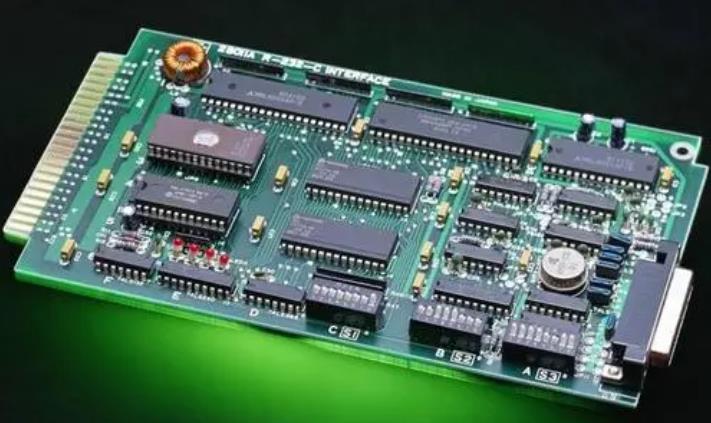
Solder Pot Maintenance and Dross Control A wave solder pot is a small metallurgical plant. It holds several hundred kilograms of molten alloy at a controlled temperature, pumps it through a nozzle, exposes it to air and flux, and is replenished by whatever the operator adds. Everything that happens to…
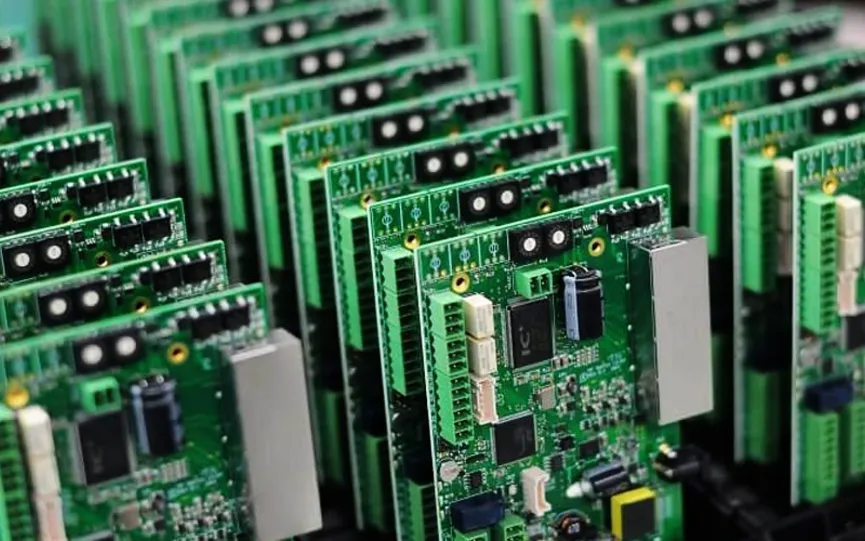
Solder Pot Alloy Analysis and Contamination Control A solder pot is a chemical reactor that runs for years. Boards pass through it, alloy is added to it and oxide is removed from it, and the composition of the bath drifts away from the specification with every tonne processed. Analysis is…
Press-Fit: Design Rules and Process Limits A press-fit connector is installed by pushing a compliant pin into a plated through-hole that is smaller than the pin. The pin deforms elastically and presses against the barrel wall, and the resulting gas-tight contact carries the signal without any solder. The process looks…
PCB Hole Wall Quality Criteria And How To Measure Them A plated hole is the weakest structural element on most boards, and its quality is decided by a wall that cannot be seen without cutting the board open. Because the evidence is destructive, hole quality is judged through a combination…
Conformal Coating Thickness Control and Verification Conformal coating is specified as a thickness for a reason: the film has to be thick enough to exclude moisture and ionic contamination for the life of the product, and thin enough that it does not crack, trap stress or interfere with connectors. A…
Wave Solder Flux Application and Dross Control Practice Wave soldering succeeds or fails on two things that are easy to underestimate: how much flux reaches the board before it hits the wave, and how much dross has built up in the pot. Both change slowly, both are visible in the…
Adhesive Dispensing: Design Rules and Process Limits SMT adhesive exists for one reason: to hold components on the underside of a board while it passes over a wave. Everything about the process, from the dot size to the cure schedule, follows from that duty. The adhesive has to survive the…
Copper Thieving Pattern Design For Even Etching A thieving pattern is copper added to a layer purely for process reasons. It carries no signal and connects to nothing, yet it changes how the etchant flows, how the plating current distributes, and how the finished panel behaves under heat. On boards…
AOI Programming Strategy for Mixed Technology Boards An AOI programme is a measurement routine, not a photograph album. It decides what the machine looks for, how much variation it tolerates and what it reports, and those decisions determine whether the station finds real defects or trains operators to ignore alarms.…
Component Polarity Verification Practice on the SMT Line A reversed diode, capacitor or connector is one of the most expensive assembly defects, because it usually passes electrical test in a way that looks acceptable and fails later in the field. Polarity is decided by conventions that differ between packages, between…