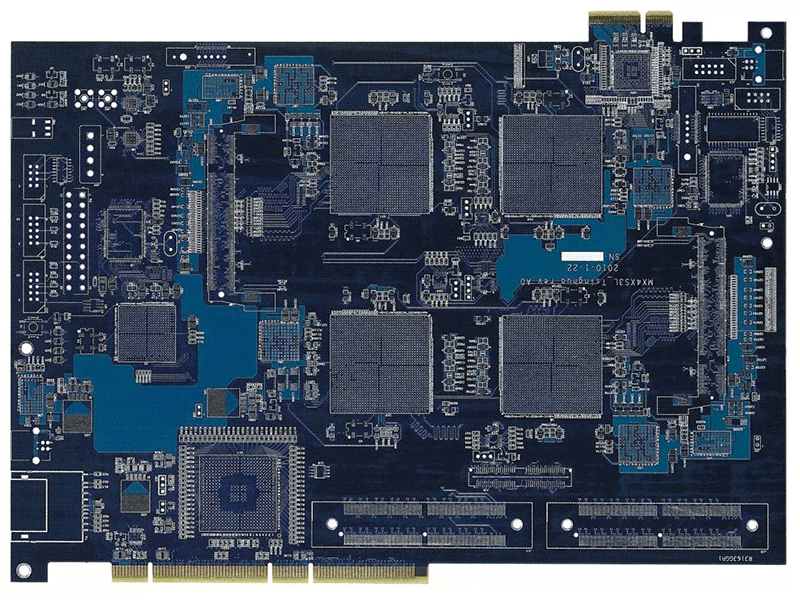
Gold Finger and Edge Connector Protection A gold finger is a plated contact at the edge of a board that mates with a socket or a card-edge connector. It is the one part of the assembly that is expected to survive repeated insertion without any solder joint to hold it,…

Copper Foil: Design Rules and Process Limits Every copper layer on a board begins as a foil, and there are two ways to make that foil. One is deposited onto a rotating drum from solution; the other is rolled from a cast ingot. The two processes produce copper with different…
PCB Solder Paste Volume Measurement And Control Visual inspection of a printed board can tell you whether paste is present and roughly where it sits. It cannot tell you how much alloy will end up in the joint, which is what actually determines fillet height, bridging risk, and voiding. Paste…
Thermal Shock Testing for PCBs and Assembled Boards Thermal shock testing puts a finished board through rapid temperature changes to see whether the plated holes, the laminate and the solder joints survive them. It is a destructive test, it is slow, and it is one of the few checks that…
Thermal Profiling for Thick Boards and Heavy Assemblies A thick board or a heavily populated assembly does not simply run slower through the oven; it runs differently. The laminate acts as a heat sink, the copper planes spread heat laterally, and the components on the top side shield the board…
Reel Splicing and Tape Joint Rules Splicing joins the end of an almost empty carrier tape to the start of a full reel so that the feeder never has to be reloaded during a run. It is a small operation with a disproportionate effect: a splice that is too thick,…
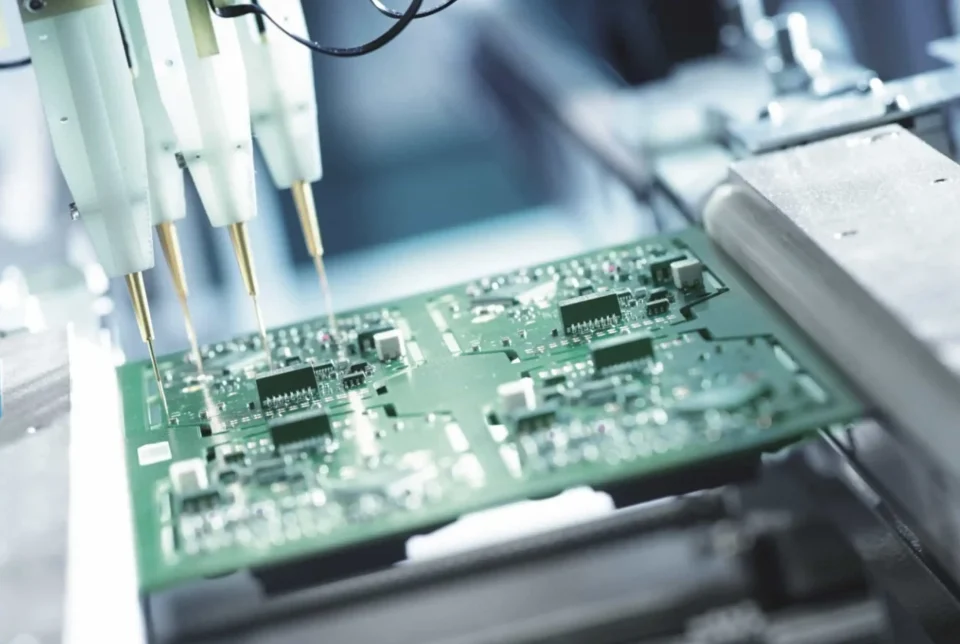
Paste Jetting: Design Rules and Process Limits Solder paste jetting and stencil printing both put a measured volume of paste onto a pad, and beyond that they have almost nothing in common. Printing transfers paste through a foil that is aligned to the board, so the deposit is defined by…
Board Warpage Measurement Methods for Large PCB Panels Warpage is easy to feel and hard to measure consistently. Two people can check the same panel and reach different conclusions because they used different reference surfaces, different support points or different temperatures. On large thin panels the effect is worse, and…
Reflow Oven Nitrogen Control And Oxygen Concentration Nitrogen in a solder reflow oven is not there to heat the board. It is there to displace oxygen, because oxide formation during the reflow cycle competes directly with the wetting that forms the joint. Whether the gas is worth its cost depends…
Press-Fit: Preparation, Placement and Process Control A press-fit connector is held in the board entirely by mechanical interference, with no solder anywhere in the joint. The pin is deliberately larger than the hole, and a compliant section absorbs the difference by deforming elastically as it is pushed in. The result…