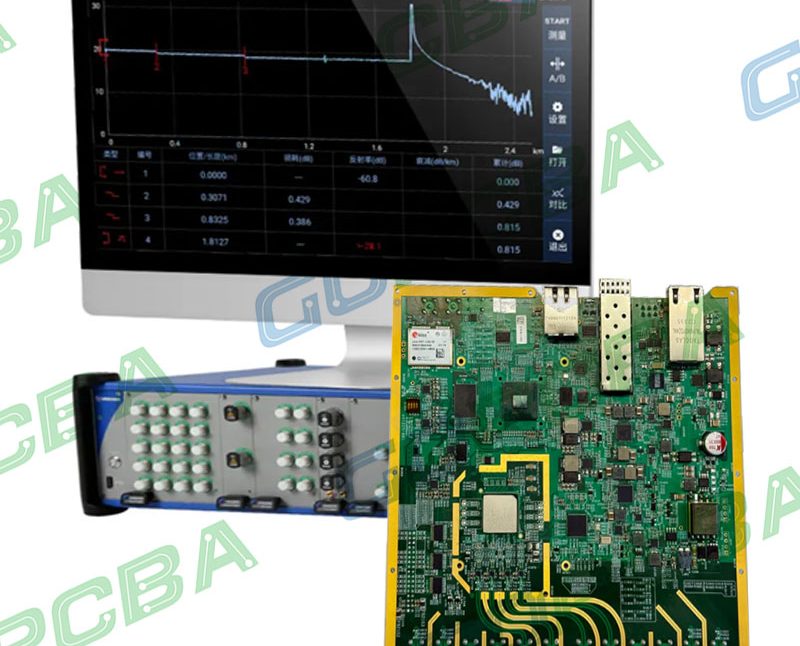
Solder Alloy Selection for Harsh Environments The alloy that works in a consumer product may fail in a product that operates hot, cycles often or vibrates continuously. Choosing an alloy for a harsh environment means matching the melting range, the mechanical behaviour at temperature and the rate at which the…
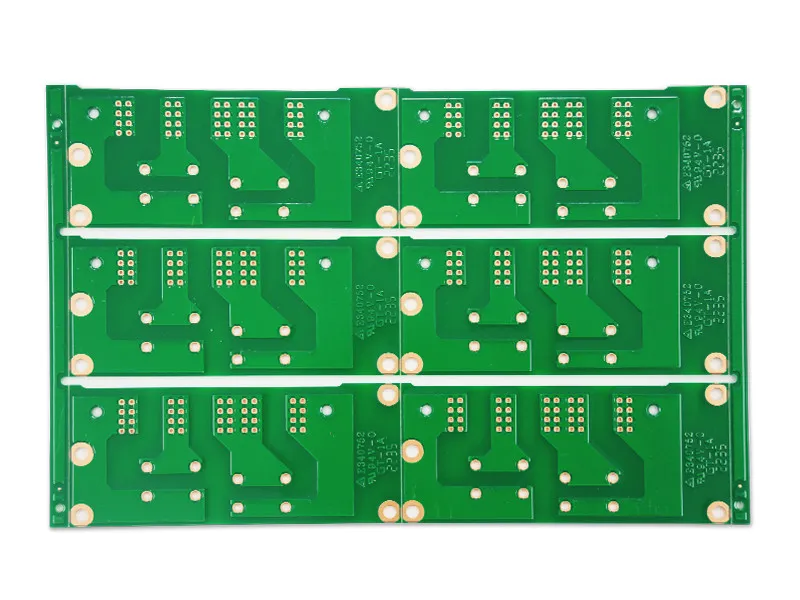
PTH Barrel Cracking and Its Root Causes A crack in the copper barrel of a plated through hole is a failure that appears after thermal cycling rather than during assembly. The barrel is a thin copper tube inside a laminate with a much higher expansion coefficient, and the strain that…
Shielding Can Attachment and Rework A metal can over a circuit is a mechanical part and an electrical one at the same time. It shields the components underneath from external fields and stops the circuit from radiating, and it has to be attached without damaging the very components it protects.…
Black Pad in ENIG Finish: Causes and Prevention Guide Black pad is the name given to a corrosion condition at the interface between the nickel and the gold in an ENIG finish. The board looks correct, the gold is the right thickness and the finish passes a routine inspection, and…
Wire Bonding Versus Solder Assembly for Modules A module can be built by soldering components to a board, by bonding a die to a substrate and wiring it, or by a combination of the two. The two routes have different cost structures, different reliability behaviours and different minimum volumes, and…
Laser Cutting and Drilling of Flexible Materials Lasers cut and drill flexible materials without the mechanical force that a router or a punch applies, which is why they are used on thin films and on adhesives. The same beam that removes material also leaves a heat affected zone, and the…
PCB Warpage Measurement and Acceptance Criteria Guide Warpage is the deviation of a board from flat, and it is one of the few defects that can make an otherwise perfect panel impossible to assemble. A board that bows will not sit flat on a printer table, will not register properly…
Thermal Shock Test Setup for Plated Holes A thermal shock test moves a board between two temperature extremes quickly, and the plated holes are what it is usually examining. The purpose is to expose a barrel that will not survive the expansion of the board around it. Why the Transfer…
Conveyor and Magazine Handling Damage on SMT Lines A production line that is set up correctly and still produces defects usually has a handling problem. Conveyors, magazines, board stops and the way boards are stacked between operations all apply loads that the assembly was not designed for, and the resulting…
Conveyor Vibration and Component Movement in Reflow While the solder is molten the components rest in liquid metal. Any movement of the board at that moment moves the parts, and the movement does not have to be large to produce a defect. Where the Vibration Comes From The conveyor chain,…