Screw Torque Control in PCBA Assembly: Drivers and Checks Screw torque control covers every threaded fastener on an assembled board, from a small bracket screw to a heat sink stud. The torque applied decides whether the joint stays tight in service and whether the board underneath survives the assembly operation.…
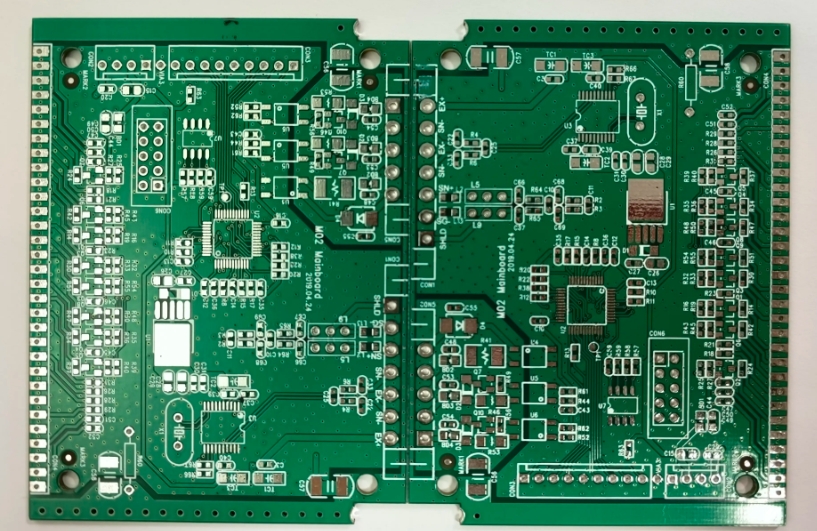
PCB Panel Magazine Handling: Loading Damage and Control PCB panel magazine handling covers the racks, magazines and cassettes that carry panels between drilling, plating, imaging and test. The magazine is in contact with the panel more than any machine setting, yet it is rarely treated as process equipment. Handling faults…
PCB Drill Spindle Speed: RPM, Chip Load and Hole Wall PCB drill spindle speed is the rotational rate of the bit, and it sets the cutting speed at the cutting edge. Together with the feed rate it decides how much material each flute removes per revolution. That pairing, called the…
Conformal Coating Cure Verification: Tests That Prove Cure Conformal coating cure verification is the set of checks that proves a coating has reached the properties it was chosen for. An uncured film may look correct, feel dry and still fail in the field, because the protection depends on chemistry rather…
Solder Mask Developer Break Point: Titration and Control Solder mask developer break point is the point in a titration where the developer bath has consumed the acid it needs to keep working. It is a measure of how much carbonate has built up, and therefore how old the bath really…
Etch Line Spray Pressure and Uniformity Control Spray pressure is the force with which the etchant is delivered to the copper surface in a conveyorised etch line, and it decides how quickly fresh chemistry reaches the metal and how quickly the spent chemistry leaves. It is set by the pump,…
Filtration: Design Rules and Process Limits Filtration is the part of a plating line that nobody watches until a defect appears, and it is the only thing standing between the bath and the particles that cause rough deposits, nodules and pits. The filter does not change the chemistry, so it…
Tin Stripping and Copper Surface Protection Tin stripping removes the tin or tin-lead layer from the copper that has been plated over, so that the underlying copper becomes the finished conductor after etching. It is used with pattern plating, where a metal resist is plated up and then stripped away,…
Anode Rod Maintenance: 5 Checks for Even Copper Dissolution Anode rod maintenance decides how evenly copper reaches the plating bath. The anode is the raw material for every deposit, and when rods dissolve unevenly the bath loses its balance long before an analysis shows a fault. Five checks keep that…
Alkaline Resist Stripping Control in PCB Fabrication Resist stripping removes the plating resist and the etch resist from a panel after the copper has been defined, and the step has to do it without attacking the copper, the solder mask or the laminate. The chemistry is alkaline, the reaction is…