



Vibration Resistance in PCB Design Vibration damage in electronics is rarely caused by the vibration itself and usually caused by resonance. A board has natural frequencies, and when the excitation in the environment matches one of them the deflection is amplified many times over. Vibration resistance is therefore mostly about…

Bga Rework: Design Rules and Process Limits BGA rework is a soldering process performed on an assembly that already exists, and that single fact changes everything about it. The board is populated, so it cannot be handled like a bare panel; the neighbouring parts are already attached, so they must…

XRF Measurement Of Plating Thickness X-ray fluorescence is the standard method for measuring the thickness of a thin plated layer without damaging the board. It works by exciting the atoms in the coating and measuring the X-rays they emit in response, and it resolves layers that are too thin to…

Solder Joint Reliability in PCB Assemblies A solder joint is a mechanical and electrical connection that is expected to survive the life of the product while being cycled in temperature, stressed by vibration and, in some cases, exposed to contamination. Solder joint reliability is the study of how those joints…

Component Derating Guide for PCB Assembly Derating is the practice of using a component below its rated maximum so that it has margin against the conditions the product will actually see. The rated values in a datasheet describe a part at a reference condition, and the reference condition is rarely…
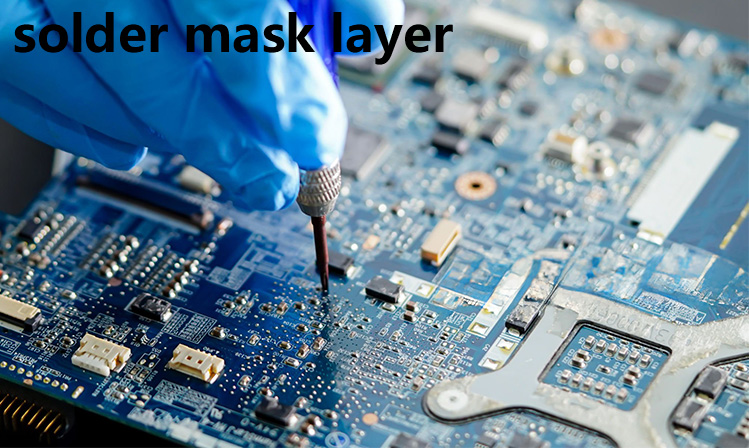
Solder Mask Registration And Opening Control Soldermask registration is the alignment of the openings in the cured mask to the pads beneath them. It decides how much of each pad is exposed, how wide the mask dam between two pads remains, and whether the mask encroaches on a land that…
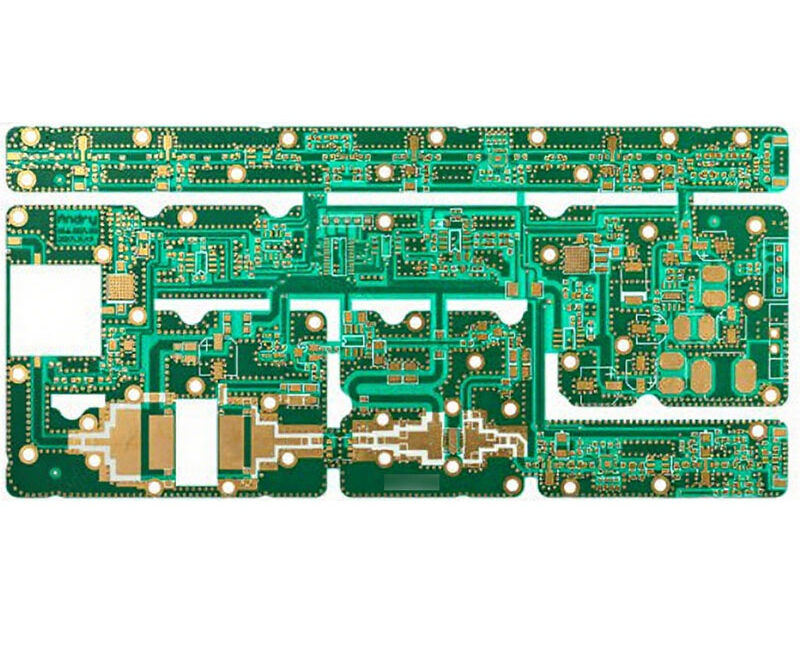
Thermal Simulation: Design Rules and Process Limits Thermal simulation is worth doing when it answers a question that the design cannot answer by estimation, and it is a waste of effort when it produces a colourful picture that nobody acts on. The useful questions are specific: will this junction stay…

Stencil Aperture Design For Paste Printing The stencil is a thin metal sheet with a hole for every pad, and the aperture is that hole. The deposit that reaches the board is the volume of the aperture minus whatever paste stays stuck to its walls, so the size and shape…
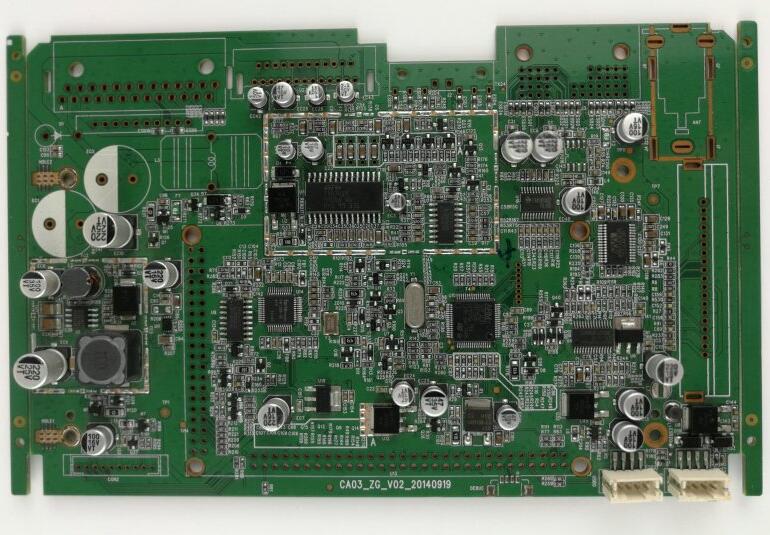
Solder Ball Inspection Criteria for Assembled Boards A solder ball is a small sphere of alloy sitting on or beside a joint where no joint should be. It might be a stray particle shaken from the paste, a bead expelled from under a component, or a fragment thrown clear by…

Lamination Cycle Control In PCB Pressing Lamination is the step in which the layers of a multilayer board are bonded into a single panel. The stack is placed in a press, heated and held under pressure, and the resin in the prepreg flows, fills the spaces around the copper and…
