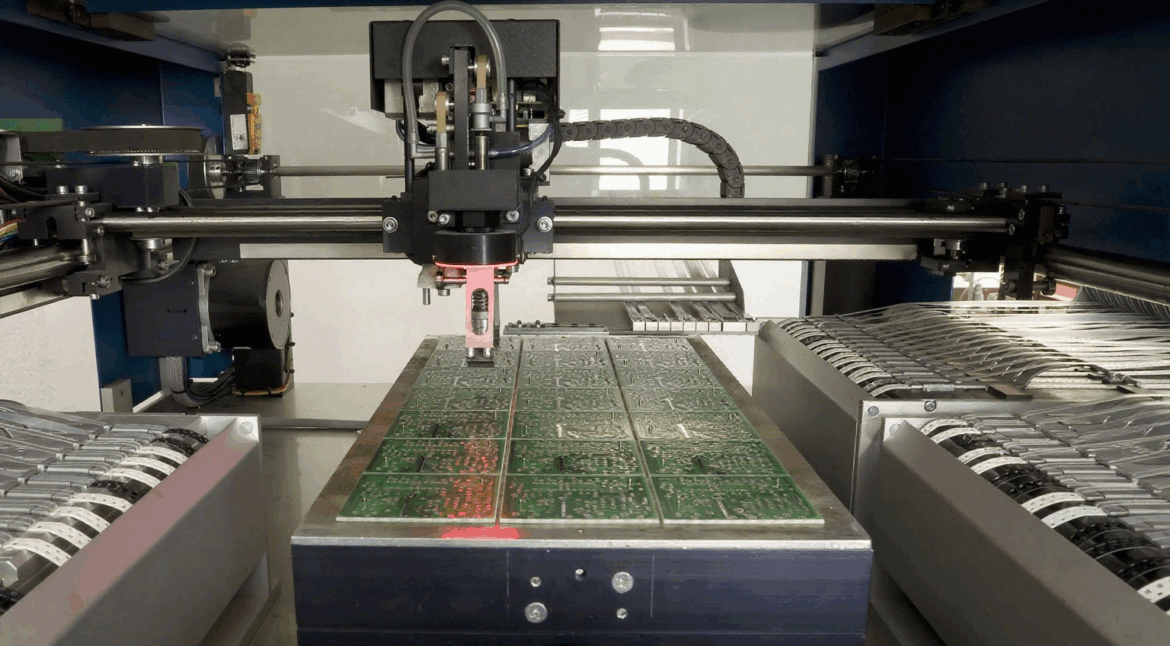
Drill Entry Material And Its Effect On Holes Drilling a hole through a stack of panels requires a sheet on top of the stack and a sheet beneath it. The top sheet is the entry material and the bottom one is the backup or exit material, and both change the…
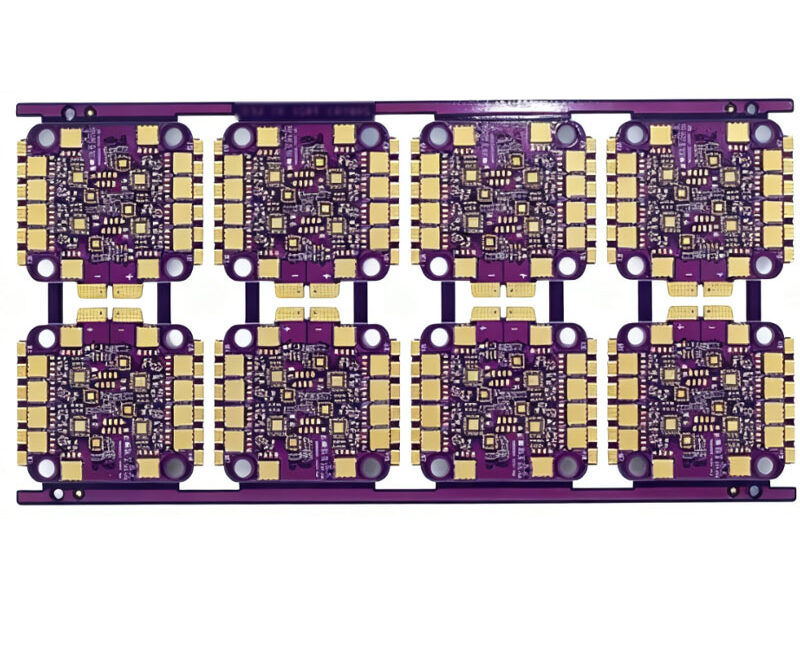
PCB Facility Layout Planning Guide A facility layout decides how far material travels, how often it is handled and how easily the process can be supervised, and those three things decide a large part of the shop’s cost and lead time. Layout is often treated as a question of fitting…
Solder Joint Inspection Criteria And Limits Solder joint inspection criteria describe how a joint is judged against the requirement it was built to. The judgement uses criteria that come from a workmanship standard, from the customer’s specification and from the class of the product, and it is applied to features…
PCB Board Thickness Selection Board thickness looks like a free choice, and it is constrained from several directions at once. It sets the aspect ratio of every plated hole, the stiffness of the finished assembly, the height available between the board and the enclosure, and whether a standard connector will…
Controlling Environmental Conditions in PCB Production Environmental conditions are the background of every process in a board shop, and they are usually noticed only when they change. A room that is too dry generates static, one that is too humid slows the drying of resist and affects the exposure, and…
Moisture Control in PCB Production Moisture is present in every board shop and in every material the shop handles, and controlling it is a matter of knowing where it causes harm. Absorbed moisture in prepreg expands violently during lamination, moisture in a package turns to steam during reflow, and moisture…
Reflow Profile Choice: Soak Versus Spike in SMT Assembly Every solder joint on a board is formed by a machine that knows nothing about the parts it is joining. It follows a thermal profile: a sequence of heating rates, plateaus and peaks selected for one combination of paste, components and…
ESD Safe Workstation Design for PCB Assembly An esd safe workstation is a small system rather than a bench with a mat on it. The surface, the operator connection, the floor, the tools and the packaging all have to be at the same potential and all have to be able…
Etch Factor Control In PCB Fabrication The etch factor describes the shape of the copper that remains after a trace has been etched. A perfect etch would leave a rectangular cross section with vertical walls; a real etch leaves a trapezoid, because the etchant attacks the sides of the trace…
Via Fence Shielding Between RF Blocks A via fence is a row of grounded vias placed along a line between two circuits, or around the edge of a radio frequency block, to reduce the coupling between them. It works like a wall: it does not block the field completely, but…