PCB Supply Chain Management for Board Shops Supply chain work in a board shop is the discipline of keeping material arriving at the right time without keeping more of it on the shelf than necessary. The two failure modes are equally expensive. Material that arrives late stops the line and…
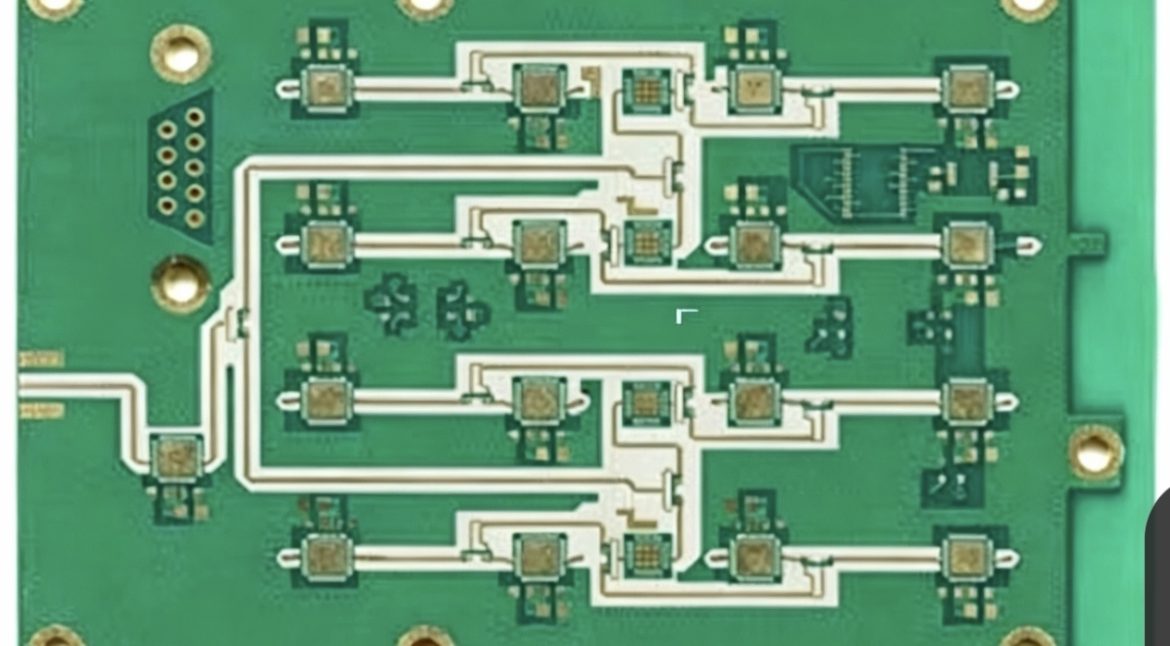
HDI Any Layer Stackup Selection An any layer HDI board is one in which a microvia may be formed between any two adjacent layers, including the connections between the outer layer and the layer beneath it and between two inner layers. That freedom is what allows a dense device fanout…
Bend Radius: Preparation, Placement and Process Control A flex circuit bent around a sharp corner will crack its copper, and the radius at which it survives is a design parameter rather than a manufacturing preference. The bend radius is set by the thickness of the copper, the thickness of the…
Solder Mask Dam Design Between Pads A solder mask dam is the strip of mask ink that runs between two adjacent pads. Its purpose is to stop molten solder from flowing from one land to the next, and its width is one of the few dimensions in a board design…
Board Handling and Scratch Prevention in PCB Assembly Most boards are damaged by the way they are moved rather than by the way they are made. A scratch across a solder mask, a chip on a panel edge, a fingerprint on a gold pad or a scuff on a finished…
Solder Balling Control In Reflow Soldering Solder balling is the scattering of small spherical solder particles around a joint after reflow. The balls range from a few micrometres to a few hundred micrometres across, they are usually attached only lightly to the surface, and they are a reliability problem because…
Low Temperature Solder Reflow Process Control for Assemblies Reducing the peak temperature of a reflow process sounds like a simple saving, but it changes the alloy, the flux, the joint appearance and the reliability of the finished product. Low temperature solder is used because thin boards warp, because some components…
PCB Lead Time Planning Guide Lead time is the sum of the time a board spends being worked on and the time it spends waiting, and in most board shops the waiting is the larger part. A panel that takes four hours of actual processing can easily occupy ten working…
Thermal Shock Testing Of Plated Through Holes Thermal shock testing exposes a plated through hole to a rapid change of temperature so that the difference in expansion between copper and laminate loads the plating. It is the standard way to find out whether a barrel will survive the thermal history…
ICT Test Coverage Design For Board Assembly ICT test coverage is the fraction of the components and nets on an assembly that an in circuit test can actually reach and verify. It is decided long before the fixture is built, because the access is created in the layout, and a…