Glass Weave Effect Design Guide The glass weave effect is a small variation in the dielectric constant of a laminate that comes from the fabric inside it. The weave is a periodic structure of glass bundles and resin rich gaps, and a trace runs over both. The dielectric constant under…
Prepreg and Core Selection Guide Every multilayer board is built from two materials: a core, which is a sheet of laminate with copper on both faces, and prepreg, which is partially cured resin and glass that bonds the cores together. The choice between them sets the dielectric thickness of each…
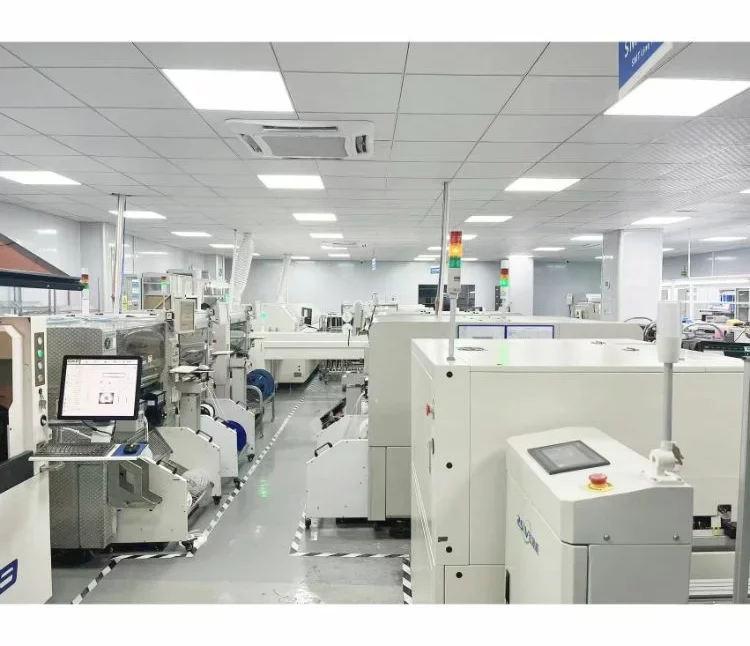
Defect Rate DPPM and Yield Improvement in PCB Assembly Quality in electronics assembly is measured in parts per million, because the processes are good enough that percentages are too coarse to be useful. A line running at one percent defect rate is producing ten thousand defective joints per million opportunities,…
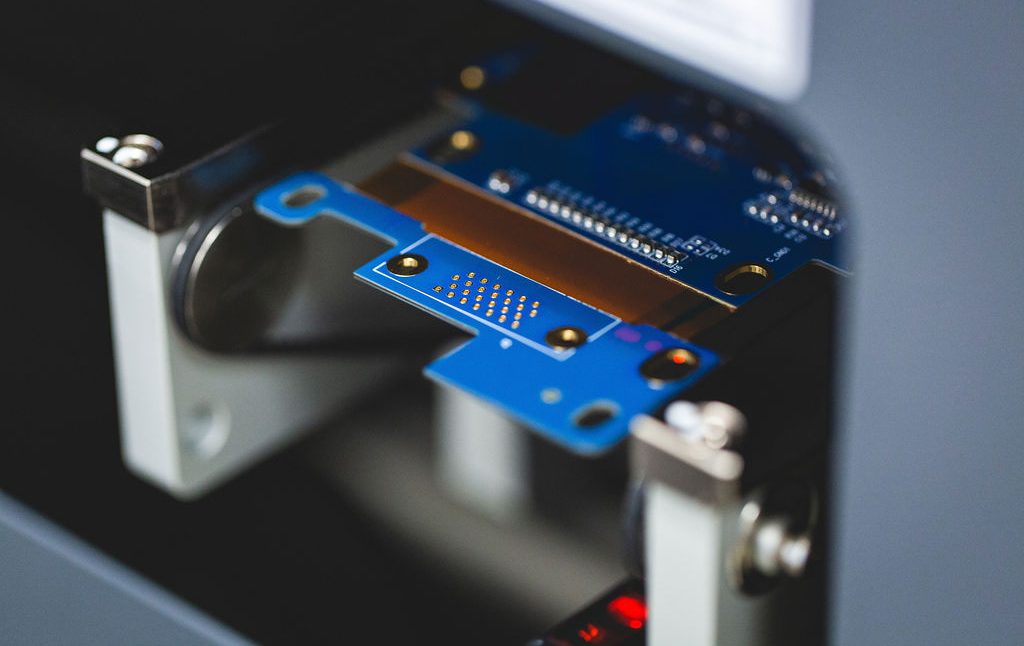
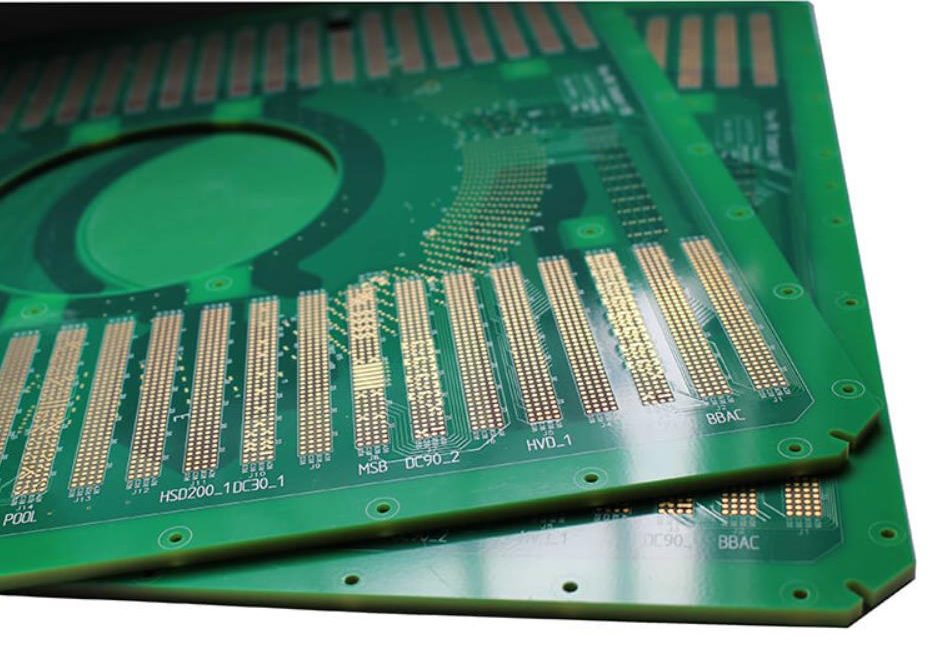
Card Edge Connector Design Guide A card edge connector removes the plug from the design by using the board itself as the contact. The socket springs press directly on pads along the card edge, and the board thickness, the pad position and the plating all become part of the connector…
Hole Wall Pullaway and Plating Adhesion Failure Modes Hole wall pullaway is the separation of the plated copper from the wall of a drilled hole, and it appears after the board has been heated. The hole may look perfect in a microsection taken before assembly and show a clear gap…
Gold Finger: Key Checks Before Release A gold finger is a row of plated contacts along the edge of a board, and the board plugs into a socket the way a card plugs into a computer. The fingers are the whole electrical interface of the product, so their plating, geometry…
Iron Base Metal Core PCB Characteristics and Use Cases Metal core boards are usually associated with aluminum, but iron based substrates exist for a specific set of problems. An iron base metal core PCB trades weight and cost for magnetic behavior that aluminum cannot provide: it shields sensitive circuits from…
Board Warpage, Bow And Twist Control A printed circuit board is supposed to be flat, and in practice it never quite is. The laminate expands and contracts as it is pressed, drilled and soldered, the copper on each layer has a different expansion behaviour from the resin that surrounds it,…
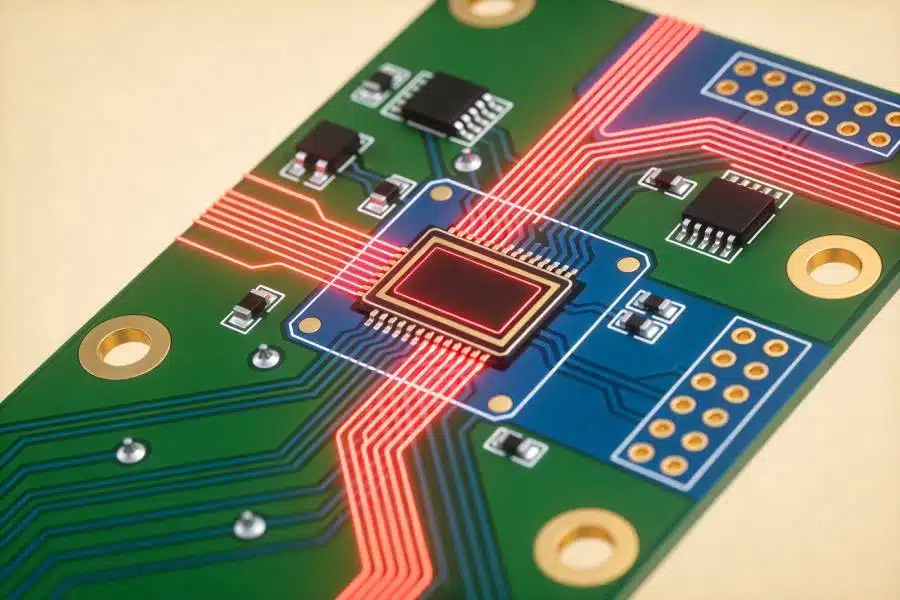
Routing Sequence Planning for Efficient PCB Layout Routing a board is not a single activity but a sequence of decisions, and the order in which they are taken determines how much rework follows. Routing sequence planning turns a long series of local choices into a controlled process, so that the…
Mixed Dielectric Aluminum Multilayer Board Construction Most metal core boards are single sided, which limits how much circuitry they can carry. A mixed dielectric aluminum multilayer board removes that limit by combining layers of standard laminate with a metal base, so a design can have controlled impedance routing, a ground…