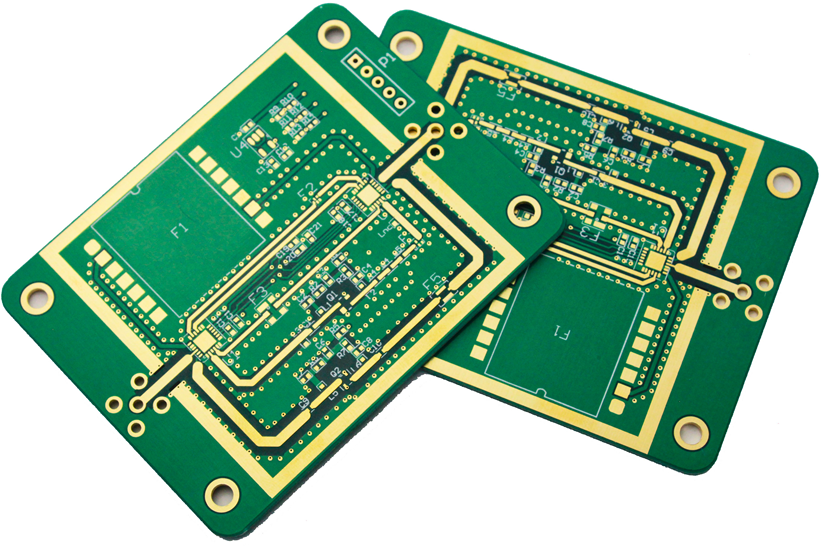
Press Fit Connector Design Guide A press fit connector joins a board to a backplane or to a mating part without a single drop of solder. The connection is purely mechanical, and it depends on a pin that is slightly larger than the hole and on a barrel that is…
Moisture Bake Schedules for Boards Before Assembly Laminate absorbs water from the air, and the amount it holds depends on the resin system, the storage history and the humidity of the room. When that water is heated quickly it turns to steam, and steam inside a board has nowhere to…
Solder Preform Selection And Use A solder preform is a piece of solid alloy shaped to fit a particular joint. It is used where the paste cannot supply enough metal, where the joint geometry cannot be stencilled, or where a sequence of soldering steps requires an alloy that will not…
Trace Fusing Current and Overload Behaviour in PCB Design Every trace has a current at which it stops behaving like a conductor and starts behaving like a fuse. That value is far above the normal working current, but it decides what happens during a fault, and it often decides whether…
Reflow Profile and Zone Verification on the Line The numbers on the oven display describe the oven, not the board. A profile is the temperature history of a specific assembly at a specific point, and it changes when the board changes even though every setpoint stays where it was. Zone…
Solder Grain Structure And Cooling Rate A solder joint does not freeze at a single temperature. The alloy solidifies over a range, during which crystals grow from the cooling surface into the liquid, and the size and shape of the resulting grains depend on how quickly the joint was cooled.…
Solder Sleeve Splices and Heat Shrink Termination Methods Where a wire has to be joined permanently and then survive vibration, moisture and repeated handling, a solder sleeve is often the most reliable answer. It combines a measured ring of solder, a thermoplastic sealing insert and a heat shrink outer tube…
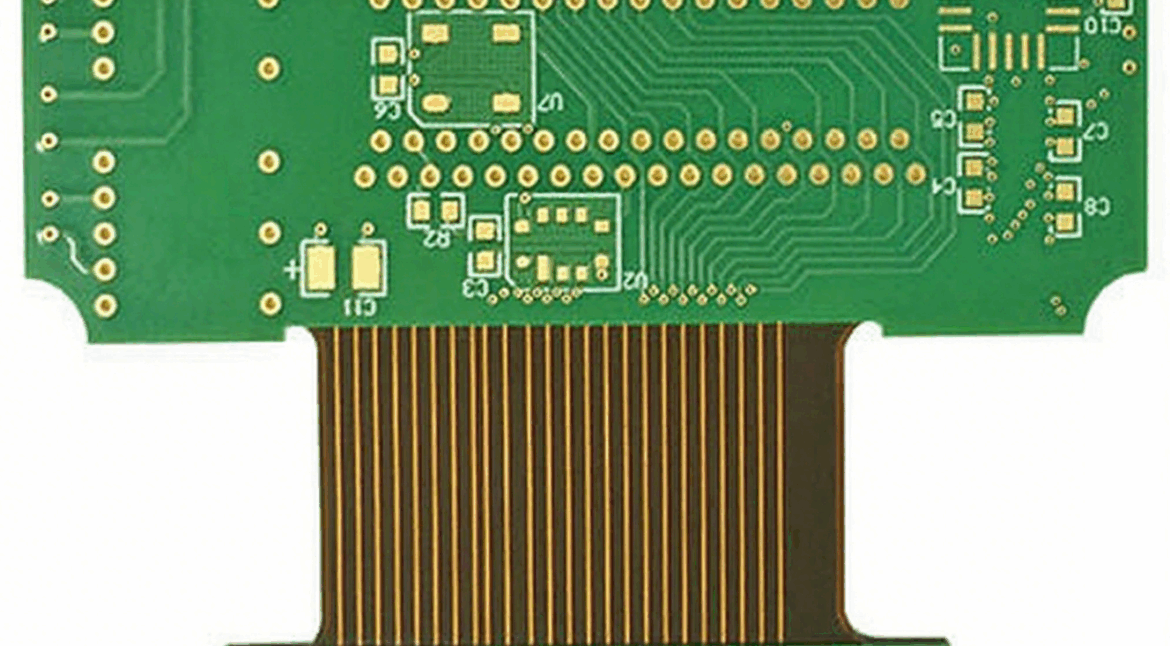
Rigid Flex Stackup Design Guide A rigid flex board carries the electronics on rigid sections and connects them with a flexible region that folds in three dimensions. It removes connectors and cables from a product, and it brings a set of mechanical rules that a conventional board does not have.…
Stencil Step Regions for Paste Volume Control A stencil is a metering device, and a step is what lets one foil meter two different volumes across the same board. Where a panel carries both a 0.5 mm pitch device and a power pad that needs a heavy deposit, a single…
Bare Board Test: Electrical Methods Compared A bare board is tested electrically before any component is mounted, and the test looks for two conditions: a net that should be continuous but is broken, and an isolation failure between two nets that should not touch. The test is performed on every…