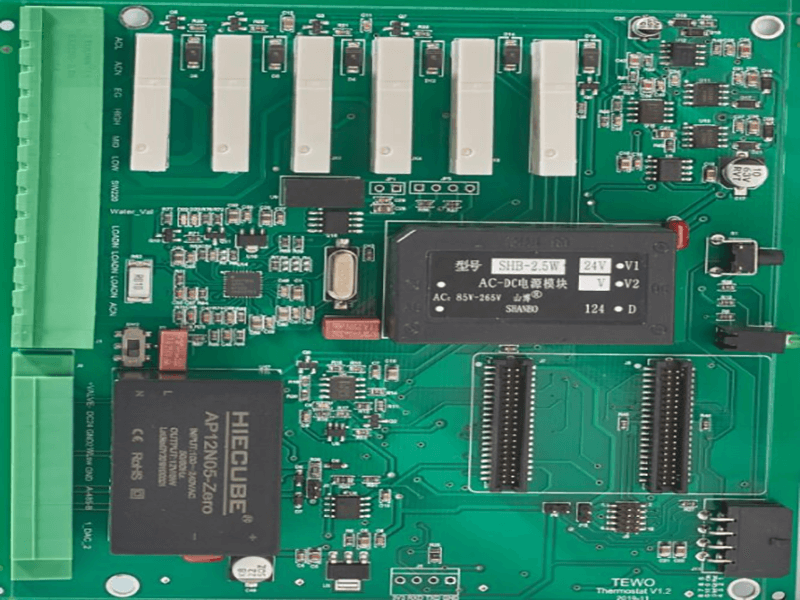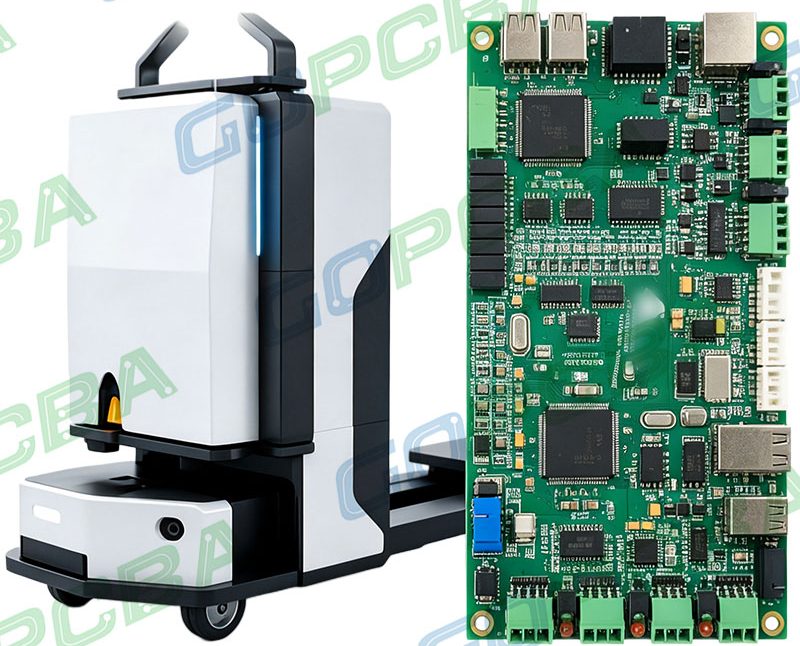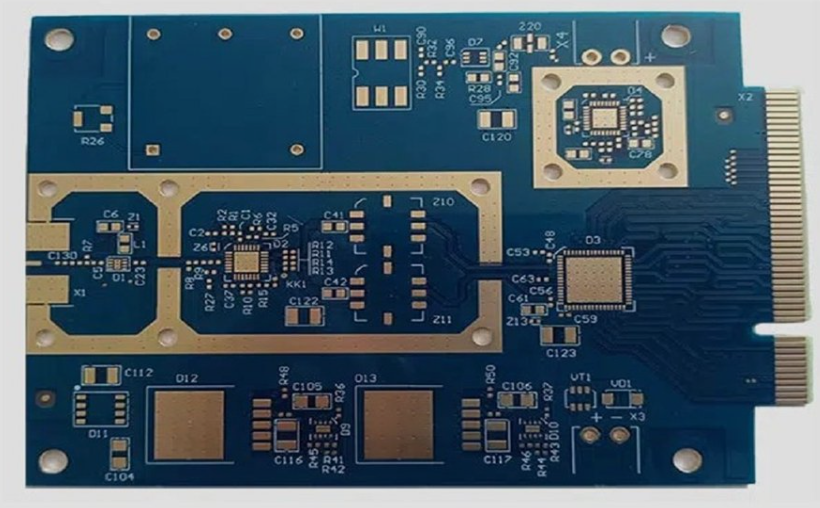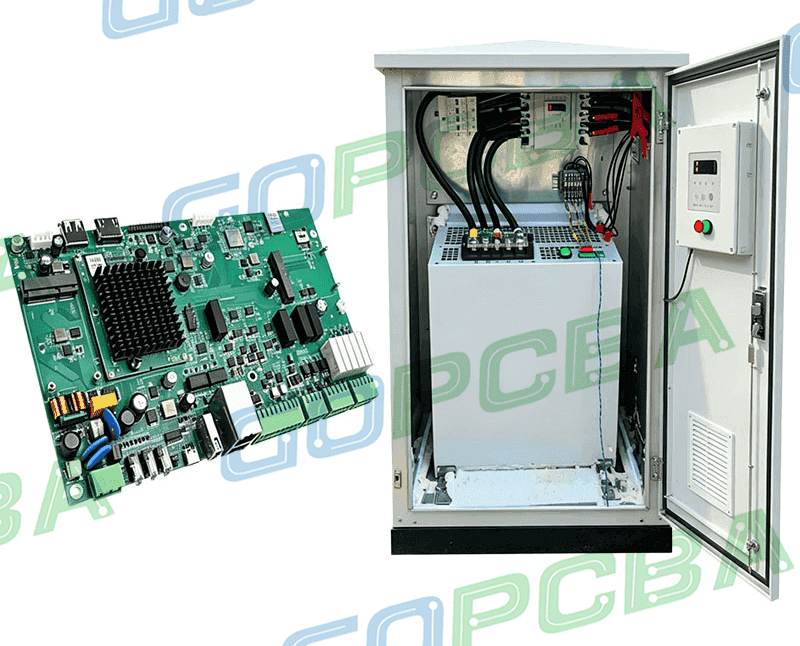
Where SMD Y Capacitors Are Used and Why A Y capacitor is a safety component. It connects a live circuit to earth, or across an isolation barrier, and it is designed so that if it fails it fails open rather than shorting. Because it sits across the barrier that protects…
Current Sense Shunt Layout: Kelvin Connections and Noise A current sense resistor converts current into a voltage that an amplifier can measure. The conversion depends on the resistance between the two points the amplifier actually connects to, and that is almost never the resistance of the resistor alone. Kelvin, or…
PCB Design Software: Choosing the Right Toolchain Choosing a pcb design software package is a decision that outlives the project it is made for. The tool holds the library, the constraints and the fabrication output, and changing it later means migrating all three. What matters is not the length of…
Solder Paste Dispensing for Prototype and Small Batch SMT Stencil printing is fast and repeatable, but it needs a stencil, and a stencil takes time and money to produce. For a prototype build, a small batch or a board with an unusual mix of parts, solder paste dispensing can be…
Rework Station Practice and Heat Control on PCB Assemblies A rework station is only a bench tool, but what happens at that bench decides whether a repaired assembly is as reliable as one that came off the line. Heat control is the whole discipline: the board has to reach soldering…
Clearance and Creepage on a PCB: Spacing Rules in Practice Spacing rules for high voltage are not the same as design rules for signal integrity. They are derived from safety standards, they depend on the environment the product will operate in, and they are written to prevent a hazard rather…
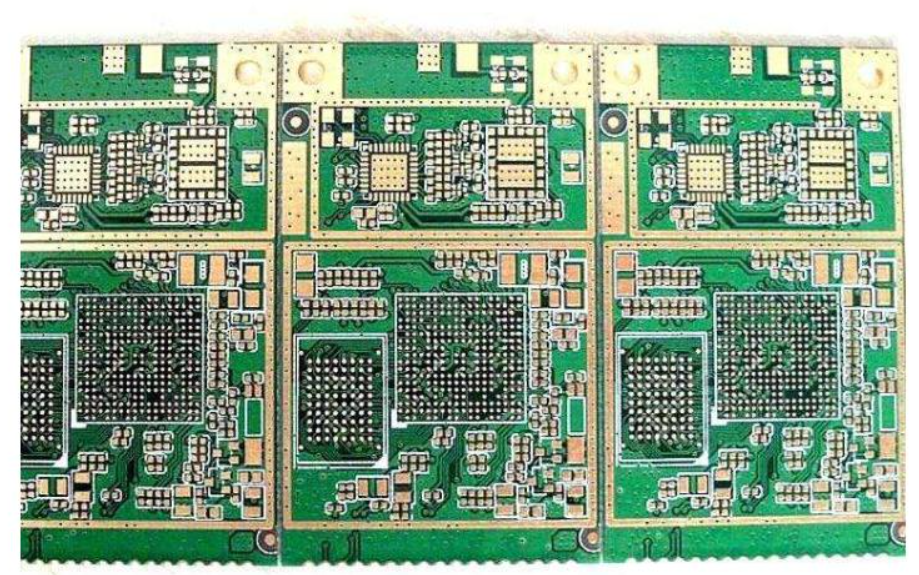
PCB Classification and How Each Type Is Made The word printed circuit board covers a very wide range of products. A single sided board in a power supply and a twenty layer backplane share the same manufacturing logic but almost none of the same process steps, and a flexible circuit…
Solder Joint Voiding: Causes, Measurement and Acceptance A void is a gap inside a solder joint where the metal did not form. It looks alarming on an X-ray image, it is present in almost every joint to some degree, and the difficult part is knowing which ones matter. Where Voids…
Solder Mask Loss: Why Adhesion Fails And What To Do Solder mask loss is the failure of the polymer coating to stay where it was applied. It appears as flaking around a pad, a blister that lifts after reflow, or a patch that peels away when the board is handled.…
Squeegee Pressure and Print Speed on SMT Printers Squeegee pressure and print speed are the two settings that operators adjust most often and understand least. Turn the pressure up and the deposit looks fuller; run the blade faster and the cycle time drops. Both adjustments feel like improvements until patches…