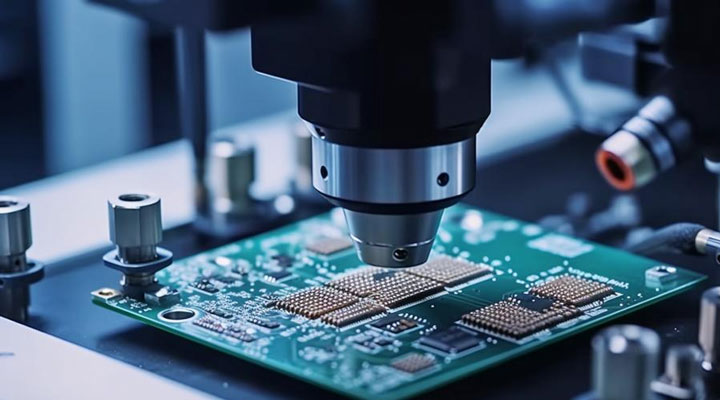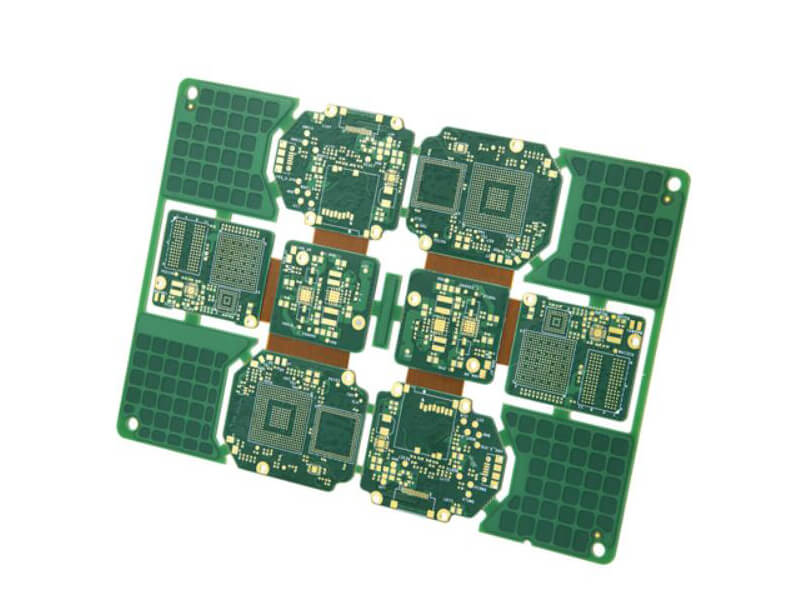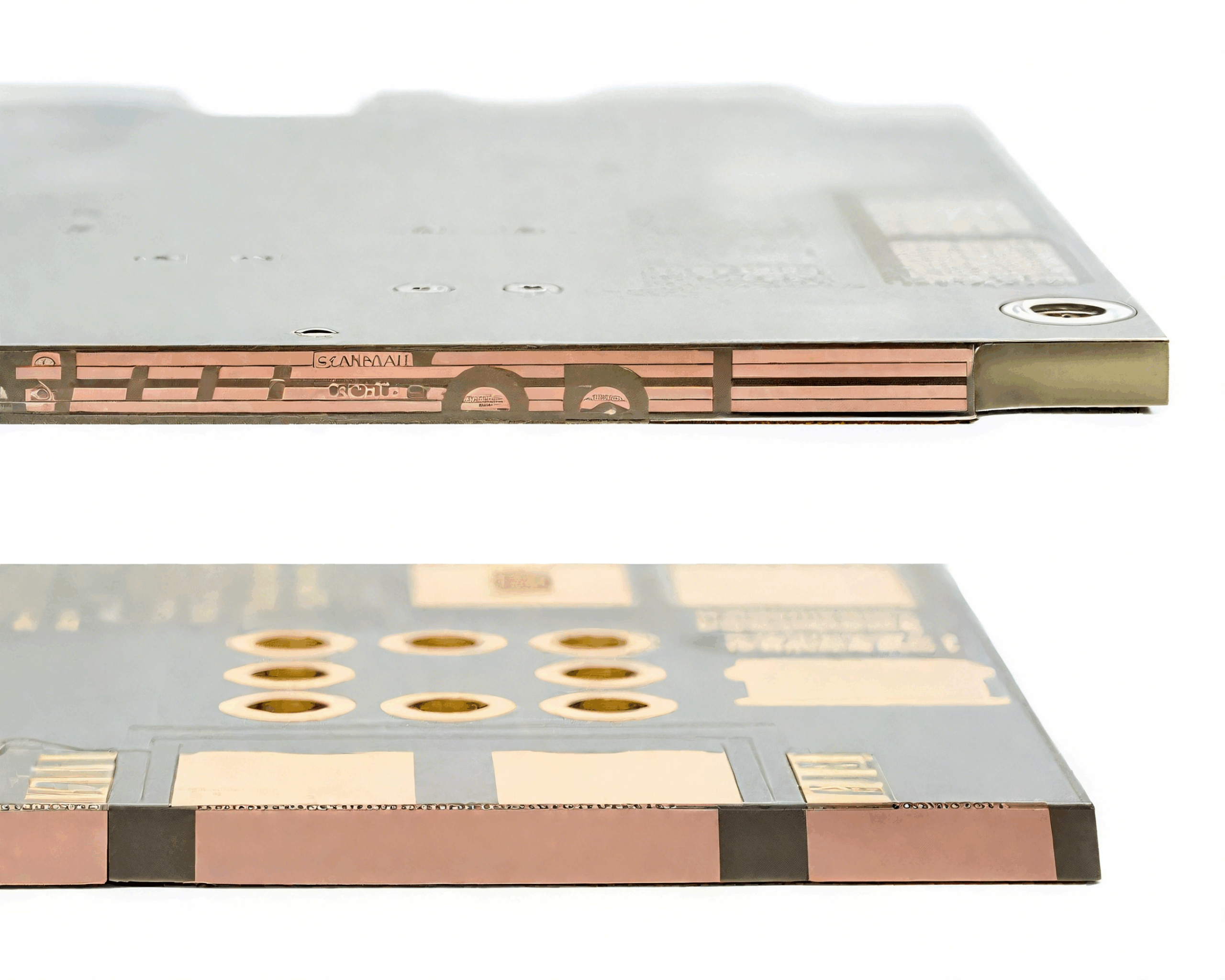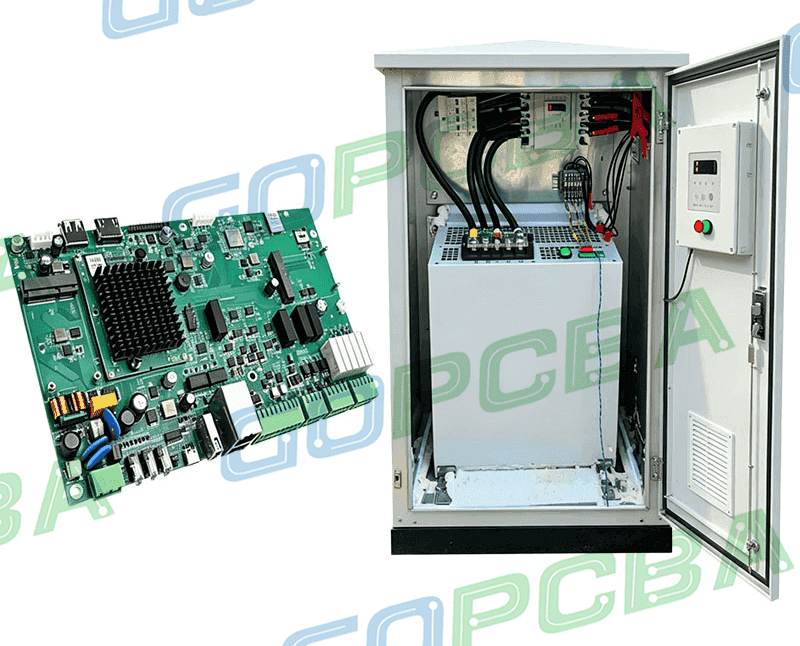
Drill Bit Life and Regrind Control in PCB Drilling Every hole in a circuit board is cut by a carbide tool that is wearing from the moment it touches the stack. The wear shows up as a change in hole diameter, a rougher wall, and eventually as a smear or…
Fiber Weave Skew in Differential Pair Routing A differential pair is supposed to arrive at the receiver with both traces carrying the same signal at the same time. On a real board the two traces often see slightly different dielectric material, because the laminate is not homogeneous. The fiber weave…
Bill of Materials Control for PCB Assembly A bill of materials is a controlled document, and the discipline that keeps it correct is the same discipline that keeps the fabrication data correct. Where it is weak, the assembly line builds whatever the machine finds on the feeder, and the difference…
Solder Mask Process and PCB Reliability Solder mask is the least analysed layer on a printed circuit board and the one most often blamed for failures that appear months after delivery. It is applied after the copper is finished, it is cured at high temperature, and it has to survive…
PTFE PCB: Low-Loss Laminate for High Frequency RF Boards A PTFE PCB is built on a polytetrafluoroethylene laminate rather than the usual woven-glass epoxy, and it exists because ordinary FR-4 runs out of performance somewhere above a few gigahertz. The material behaves differently at every stage: how it is drilled,…
Layer Count: What Drives PCB Cost: The Levers That Matter The cost of a printed circuit board is built up from a small number of cost drivers, and almost all of them are decided by the design rather than by the purchasing discussion. Knowing which lever moves which part of…
Hatched or Solid Copper Pour on a PCB Copper pour is the most common feature on a printed circuit board and one of the least examined. Designers pour copper because it is expected, choose between a grid and a solid fill from habit, and rarely ask what the fill is…
How Much Test Coverage Do You Actually Have? Test coverage is easy to assume and hard to prove, and the gap between the two is where escaped defects live. Building a defensible coverage argument requires understanding what each test can and cannot see, and where the boundaries between them fall.…
ICT And Functional Test For Assembled Boards Testing an assembled board is a question of what can be verified, at what cost, and at which point in the process. In circuit test checks the electrical continuity and isolation of the connections a board is supposed to have, and functional test…
ESD Control in PCB Assembly Lines and Handling Areas A technician crosses a carpeted floor, touches a board, and a device inside it is quietly weakened. Nothing looks wrong, the assembly passes test, and the failure appears weeks later at a customer site. That is the nature of electrostatic discharge…