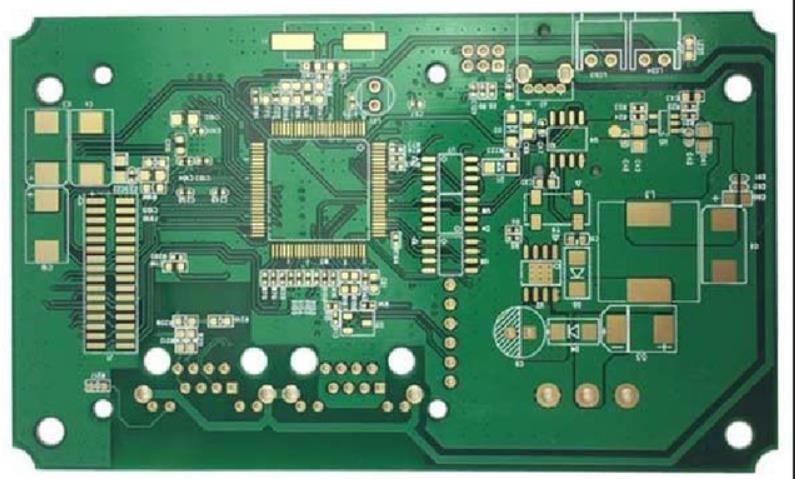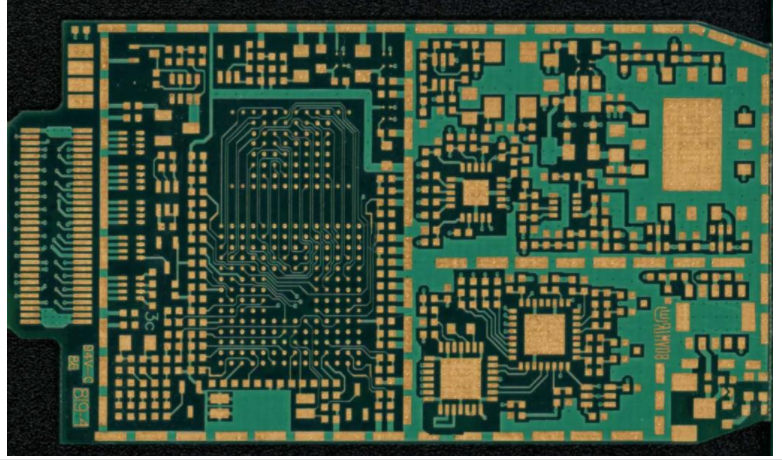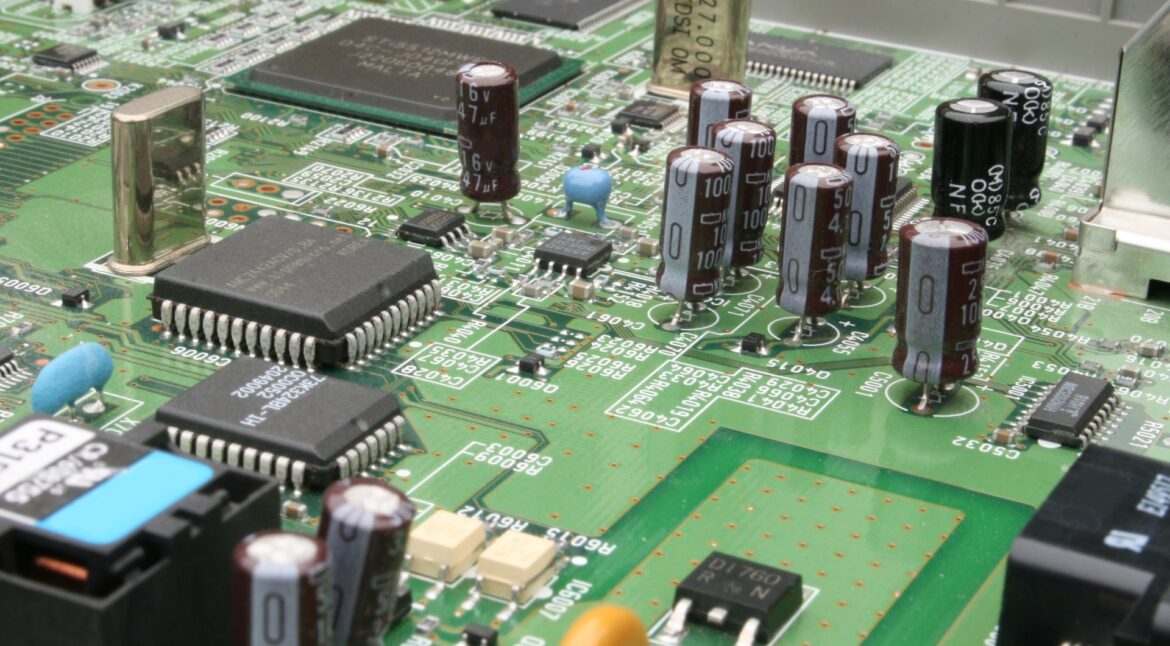
Electroless Nickel Thickness Control and Black Pad Risk Electroless nickel immersion gold is the most widely used finish on fine pitch boards, and it is also the finish with the most misunderstood failure mode. The gold layer gets the attention, but the electroless nickel beneath it carries the load, defines…
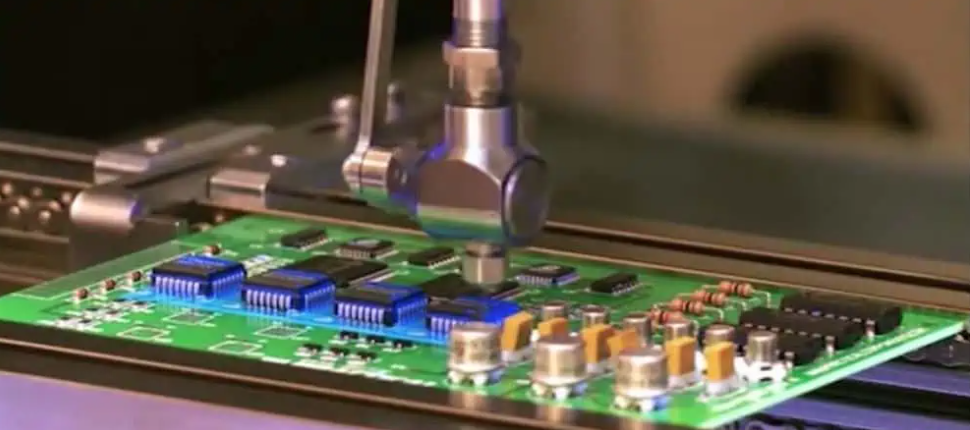
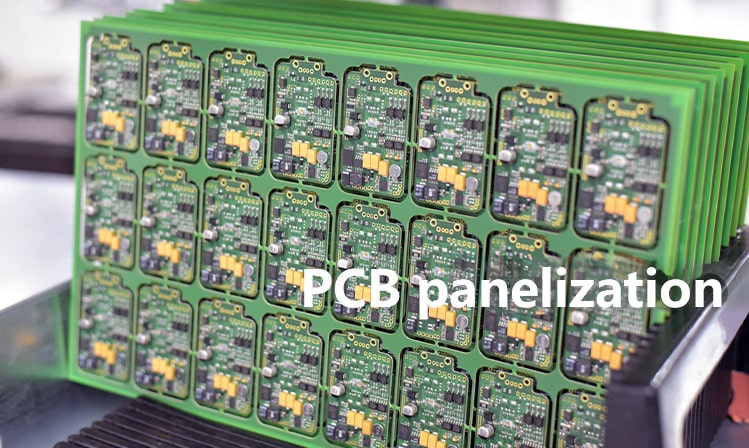
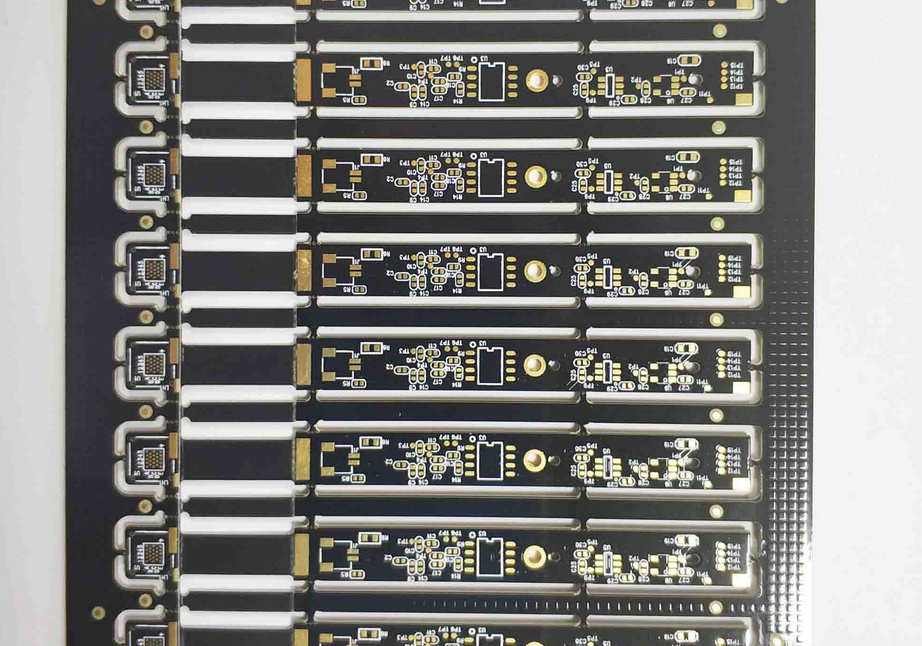
Stamp Holes and Breakaway Tabs for Small Boards Small boards cannot be assembled one at a time, so they are produced in a panel and separated afterwards. The separation point is designed, not accidental, and the two common ways to design it are a row of small holes and a…
Leakage Current Detection in EV Chargers Under EMC Stress An electric vehicle charger contains a power stage that switches at high frequency, contactors that open and close, an auxiliary supply and a communication module, all inside one enclosure. In that environment a safety function has to detect a smooth direct…
Footprint Origin Errors and Pick and Place Coordinates Pick and place machines do not know where a component is. They know where the origin of the footprint is, and they apply the coordinates in the assembly file to that point. If the origin sits somewhere unexpected, every placement on the…
Tombstoning, Bridging and Assembly Defects From the Layout Assembly is where the design meets the machine, and the defects that appear on the first production run are almost always traceable to a decision made in the layout rather than to a machine setting that drifted. Knowing which layout features cause…
USB Cable Shielding and EMC in Industrial Instruments An industrial instrument with a USB port for configuration and data transfer is exposed to an environment that the interface was never designed for. Motor starting, variable frequency drive harmonics, and relay arcs all produce conducted and radiated disturbance on the same…
Solder Mask Bridge Spacing on Fine Pitch Pads On a fine pitch footprint the solder mask is asked to do something difficult: sit as a narrow wall between two pads that may be less than a tenth of a millimetre apart, survive imaging and development, and remain in place through…
Four-Layer PCB Stackup vs Three Layers: Why Symmetry Wins Three-layer boards exist, but they are rare, and the reasons are mechanical and economic rather than electrical. A four-layer pcb stackup is the standard because it can be built symmetrically from standard materials, while three layers force a compromise. This guide…
AOI Programming and False Call Reduction in SMT Lines Automated optical inspection only earns its place on a line when the program behind it is trustworthy. A poorly tuned system floods operators with false calls until they start waving boards through, and at that point the machine protects nothing. Good…
Why Small Chip Components Rotate During Reflow A component that ends up rotated a few degrees after reflow looks like the result of a mechanical disturbance. Nothing touched the board, the placement machine reported no error, and yet the part has turned. The cause is almost always a force imbalance…