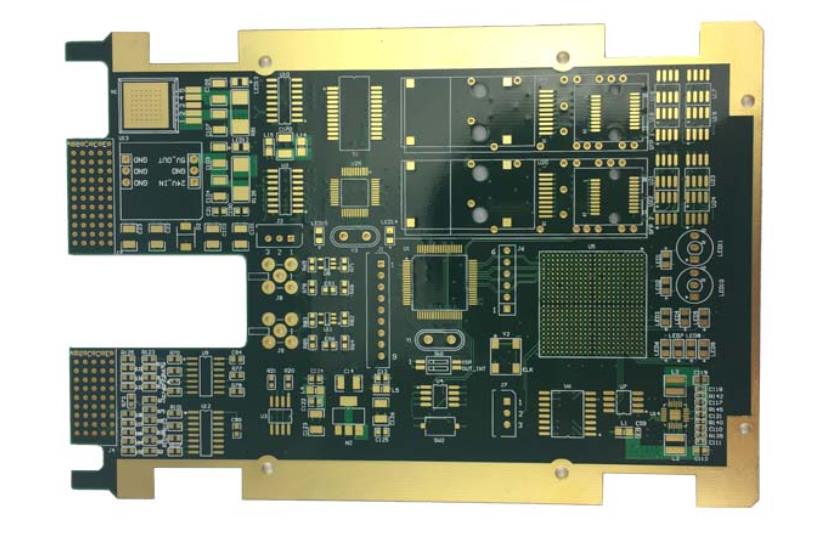
PCB Panelization Design: Terms, Methods and Common Errors Panelization is the step that turns a product design into something a factory can actually run. It affects material consumption, assembly speed, handling damage and the ease of separating finished units, which is why a panel designed badly costs money at every…
Practical Notes on GPS Tracker PCB A GPS tracker is a small, battery-powered product with a radio, an antenna, a processor and a power chain, and every one of those blocks contributes to the cost of the board. The interesting part of the cost analysis is that the largest levers…
Audio Mixer PCB: Noise, Grounding and Signal Routing An audio mixer is a measuring instrument for small signals. Its inputs carry millivolts, its gain stages run at high impedance, and its output has to be clean enough that nothing added by the board is audible. That combination makes layout the…
What Makes a Good PCB Design? A Practical View A good PCB design is easy to recognise and hard to define, because the qualities that make it good are mostly invisible until something goes wrong. A board that works in the laboratory, builds without questions, tests without difficulty and survives…
PCB Plating Thickness: Copper, Nickel and Gold Explained Plating thickness is the specification that decides whether a board survives assembly and service, and it is also the specification most often quoted as a nominal value that hides a wide tolerance. Understanding what is being plated, why the thickness matters and…
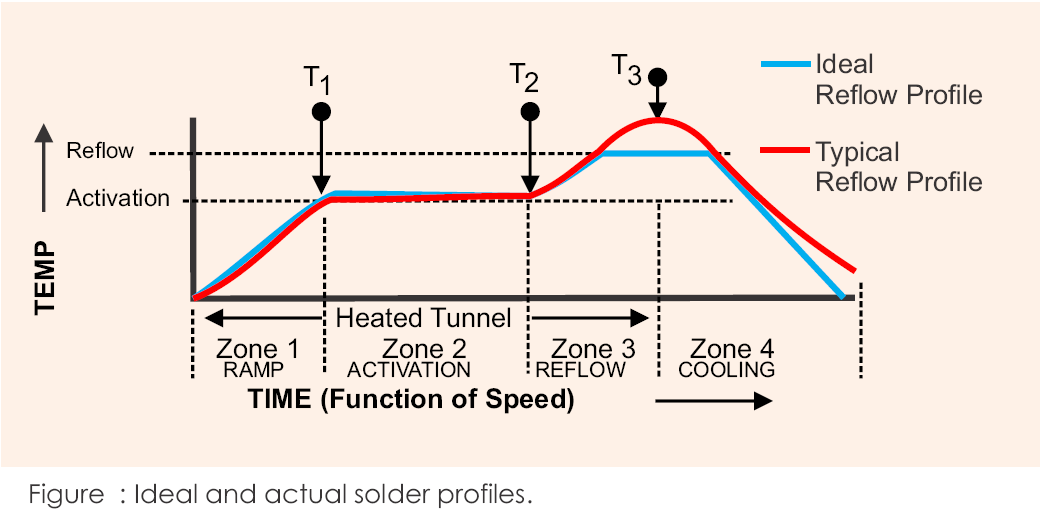
Practical Notes on Dross Formation Wave soldering is a process of thermal balance rather than of fixed settings. The solder pot, the preheaters, the fluxer and the conveyor interact, and a change in any one of them shows up somewhere else. Two symptoms dominate production problems: joints that do not…
Practical Notes on LCD TV PCB Television hardware looks simple from the outside and is dense on the inside. A modern set combines a power supply, a video processor, several high-speed input interfaces and a panel driver, and most of them share a single board. LCD TV PCB assembly therefore…
High Layer Count PCB Fabrication: Sampling to Volume Once a board passes roughly twenty layers, the process stops being a scaled-up version of an ordinary multilayer build. Boards used in AI accelerators, 800G switch fabrics and communication backplanes now run from 20 layers to 80, with finished thickness between 2 mm…
PCB Schematic vs PCB Design File: Key Differences Schematic and design file are often used as if they described the same thing, and newcomers to board work frequently treat them as interchangeable. They are not. One is a logical plan of what connects to what; the other is a physical…
Insulated Metal Substrate PCB: Thermal Design Basics An insulated metal substrate PCB is a board in which the usual glass-reinforced laminate is replaced by a metal plate, normally aluminium, covered by a thin dielectric layer and a copper circuit. The metal does not carry current; it carries heat. Because the…