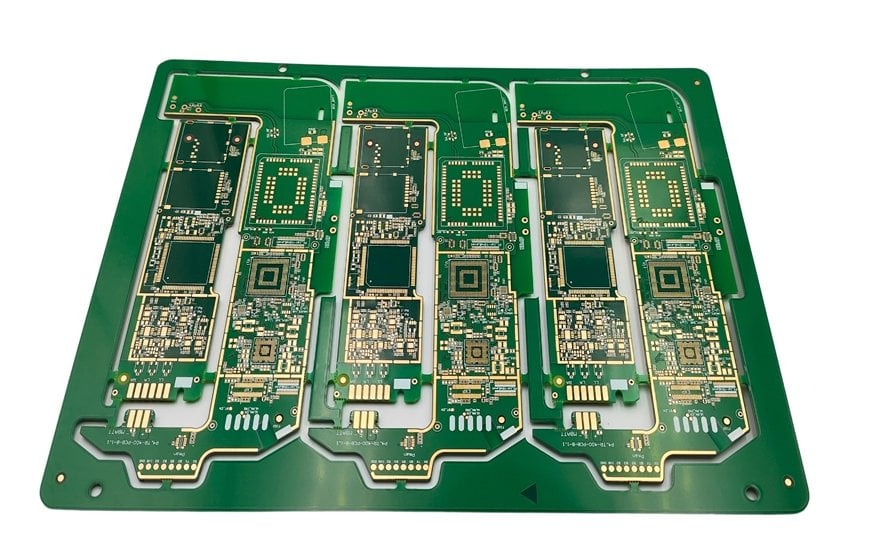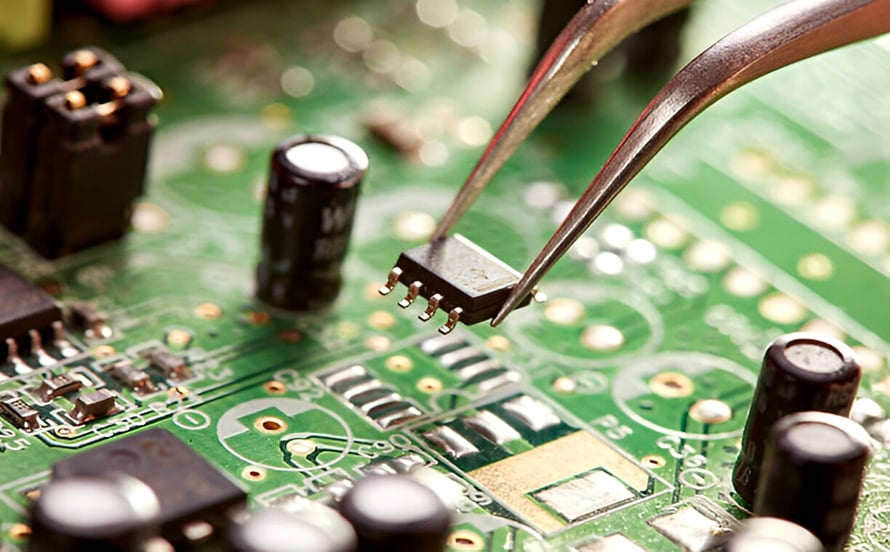
PCB Depaneling: Methods and Effect on Assembly A panel of circuit boards has to be separated into individual units at some point, and the method used decides how much mechanical stress the assemblies see, how clean the edges are and how much handling damage is introduced at the very end…
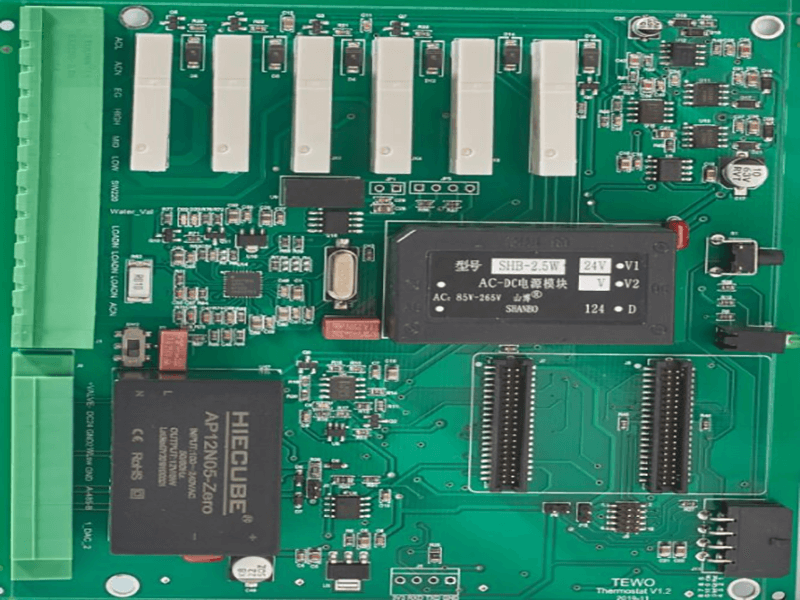
High-Speed PCB Quality Control: Standards and Acceptance Quality control on a conventional board is built around visual and electrical criteria: no shorts, no opens, no exposed copper and a plating thickness within the specification. On a high speed board those criteria are still necessary but they are no longer sufficient,…
PCB Copper Plating and Via Filling: How They Differ Copper plating and via filling are often discussed as if they were alternatives for the same requirement. They are not. Plating deposits a thin layer of copper on the wall of a drilled hole to make an electrical connection, while filling…
Legend Printing and Solder Mask: How the Process Shapes Design Rules Solder mask and legend are the two printed layers that most designers treat as decoration, and both of them are process steps with real constraints. The mask has to survive the soldering process and protect the copper; the legend…
BT Resin versus ABF Substrate: Material Comparison Two material systems dominate the package substrate industry, and they are used together as often as they are compared. One is a rigid laminate used as the core of the substrate, and the other is a film laminated onto that core to build…
Aluminium Base PCB: Substrate, Dielectric and Copper Foil An aluminium base PCB is a sandwich of three materials with very different properties, and its performance is decided by the thinnest layer in the stack. The metal core provides stiffness and heat spreading, the copper carries the circuit, and the dielectric…
Application Processor Board Design: Interfaces and Layout Demands An application processor is a system on a chip that expects to be surrounded by memory, storage, display, camera and network interfaces, and a board designed around one is judged by how well it delivers those interfaces rather than by the processor…
Embedded Copper Coin PCB: Structure, Process and Design A copper coin is a solid piece of copper pressed into a cavity in a circuit board so that it passes through the thickness of the laminate beneath a hot component. It carries heat from the surface of the board to the…
Stepped Board Fabrication: Cavity and Lamination Process A stepped board is one whose surface is not flat. Part of the board is recessed, so that a component sits below the general surface level, or a cavity is opened so that a die, a sensor or an optical element can be…
PCB Prototyping: Quality, Lead Time and Price A prototype is a test of a design, so the useful question about a prototype supplier is not which one is cheapest but which one gives the fastest feedback. Quality, lead time, price, and process capability are the four variables, and they trade…