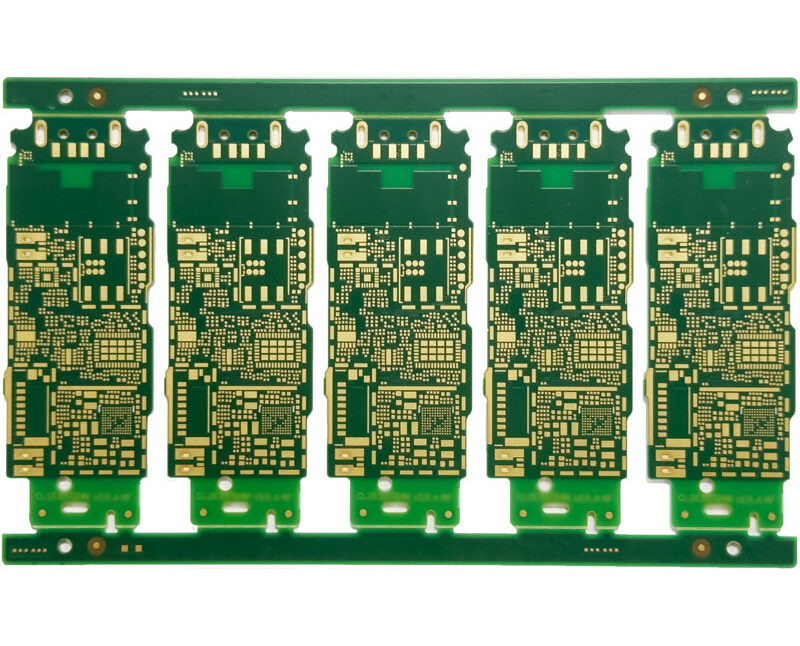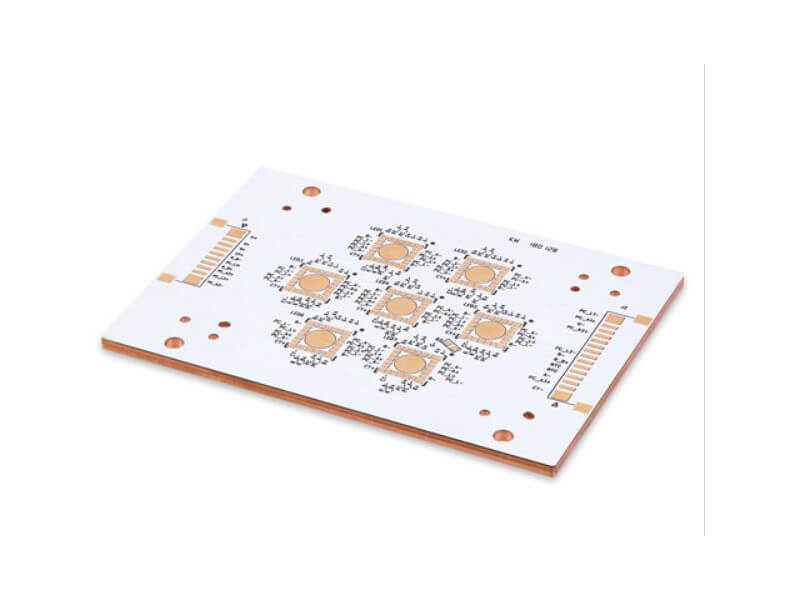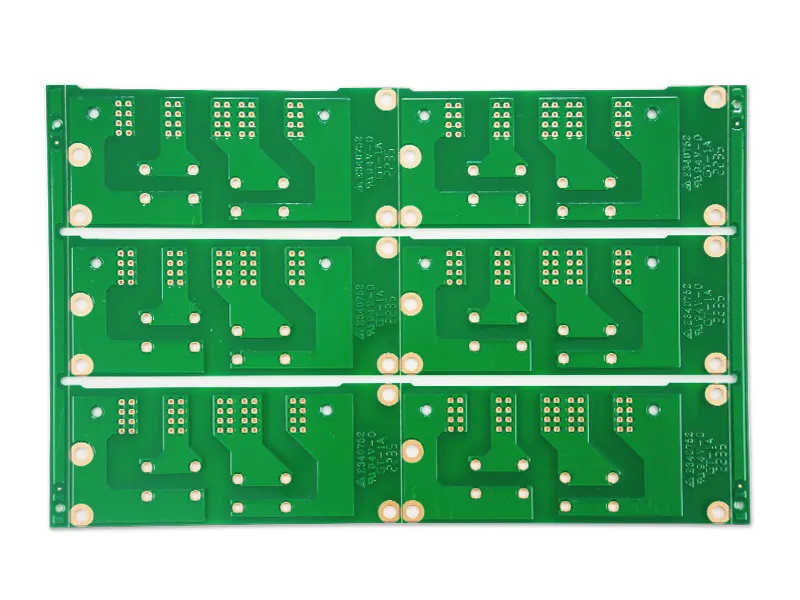
PCB Guide Hole Control: Tolerances for Panel Alignment Guide hole control is about the tooling holes that hold a panel in place while it is drilled, laminated, imaged or routed. When they are right, the panel drops onto its pins with a light push and every layer lines up. When…

Solder Paste Tack Test and Print Quality Control A tack test measures how strongly a solder paste resists being pulled apart, and the property it describes decides whether components stay where the placement machine put them. Paste that has lost its tack will release the parts during the transfer to…
Insulation Resistance Test for PCB Assemblies: 6 Rules Insulation resistance is the resistance measured between two conductors that are supposed to be separated by an insulator. The measurement is simple in principle and difficult in practice, because the value depends on the test voltage, the dwell time, the temperature, the…
Creep Corrosion Control on PCB Assemblies: 6 Rules Creep corrosion is the migration of corrosion products across a surface, away from the metal that produced them. It is not the same as ordinary corrosion, where the damage stays close to the affected area. In creep corrosion the product spreads as…
Rosin Flux Chemistry Control in Wave Soldering: 6 Rules Rosin is a natural resin obtained from pine, and in a soldering flux it does two jobs at once. It forms a protective film that keeps oxygen away from the hot metal, and it provides the vehicle that carries the activator…
Mesh Count Selection for Solder Paste Printing: 5 Rules Mesh count is the number of threads per inch in a printing screen, and it is one of the quiet variables in a solder paste printing process. It decides how much paste passes through the screen, how much is held back,…
Tack Free Time Control for Conformal Coating: 5 Rules Tack free is the point at which a coating has dried enough that dust no longer sticks to it and a board can be touched without leaving a mark. It is not the point of full cure. A material can be…
Halide Content Control in Soldering Flux: 6 Rules The active part of most fluxes is a halide salt or an organic acid, and the halide is the more aggressive of the two. Chloride and bromide ions attack the oxide on the copper surface, convert it into a soluble salt and…
Develop Breakpoint Control in Solder Mask Development After the solder mask is exposed, the unexposed resist has to be washed out of the openings, and the point at which that removal is just complete is the develop breakpoint. Run the panel a little past that point and fine features lose…
Conveyor Rollers on an Etch Line: 4 Checks for Even Tracking Conveyor rollers are the part of an etch line that carries the panel through the chemistry at a controlled rate. Their condition decides whether the panel arrives at the exit when the process expects it, and whether it arrives…