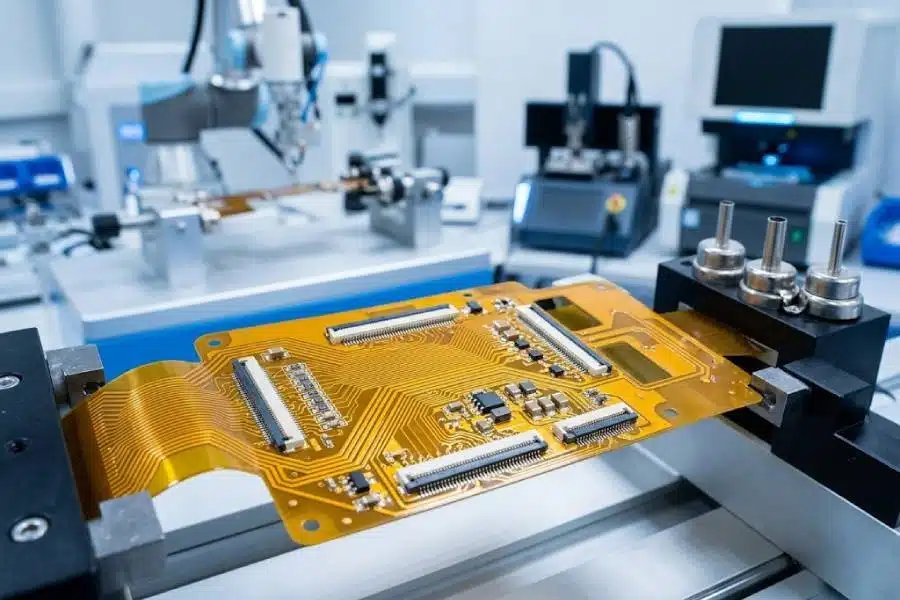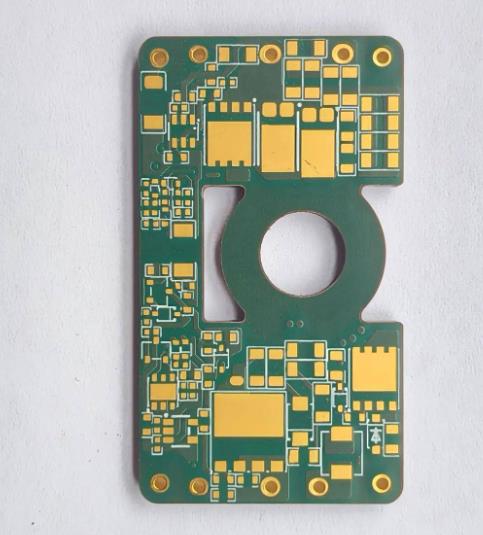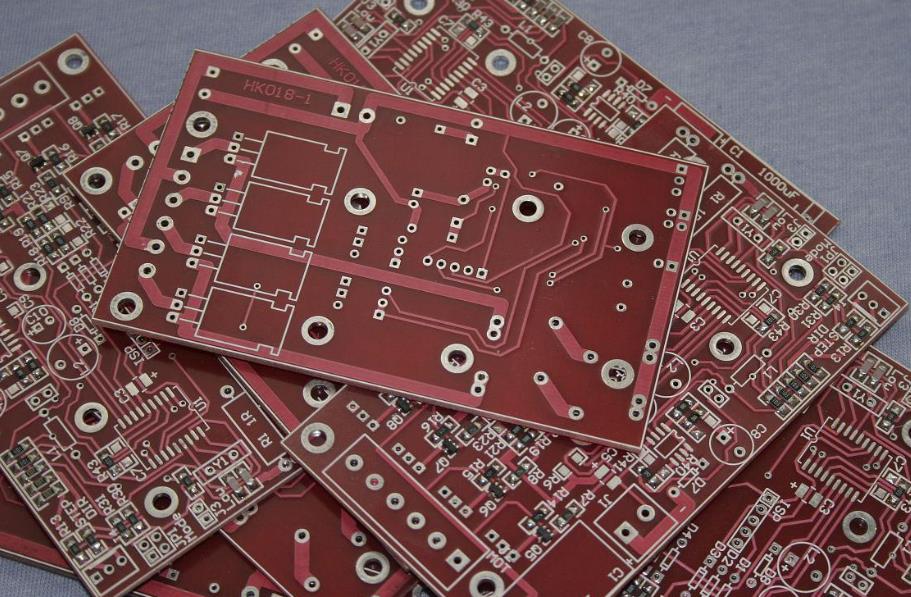
Metal Stiffeners for Flexible PCBs: Selection and Assembly Local Rigidity in a Flexible Design Flexible circuits solve the problem of routing interconnect through confined, curved or moving spaces, but flexibility is not wanted everywhere. Connectors need to sit at a controlled height. Component pads need to stay flat through reflow.…
PCB Traces: Width, Copper Weight and Current Capacity The Copper That Carries Everything Every electrical function on a printed circuit board is performed through copper traces. They replaced discrete wiring decades ago, and they now carry both power and signal across the same substrate, at current levels from microamps to…
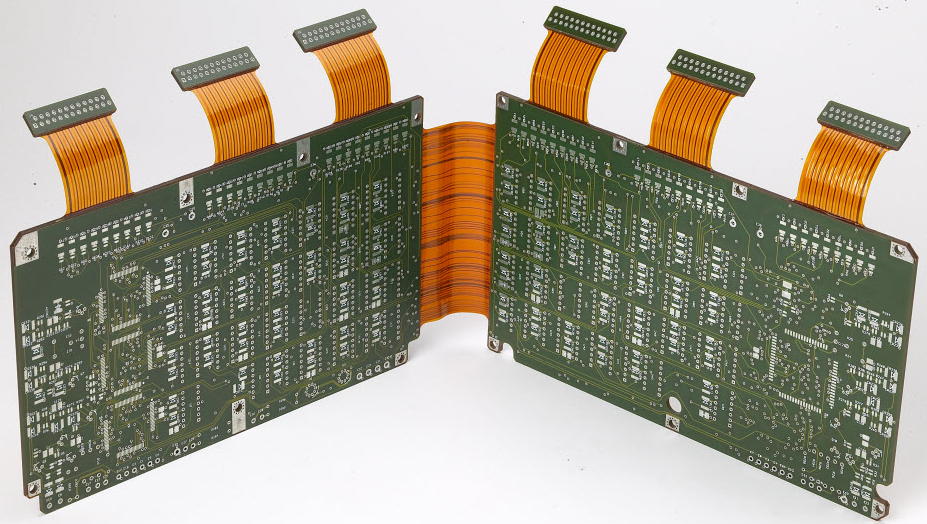
Multilayer Flex PCB Assembly: Materials, Process and Cost When a Board Has to Bend The pressure toward thinner, denser and more capable products has pushed flexible circuit technology from a niche into a mainstream design choice. A multilayer flexible board combines the routing density of a multilayer rigid board with…
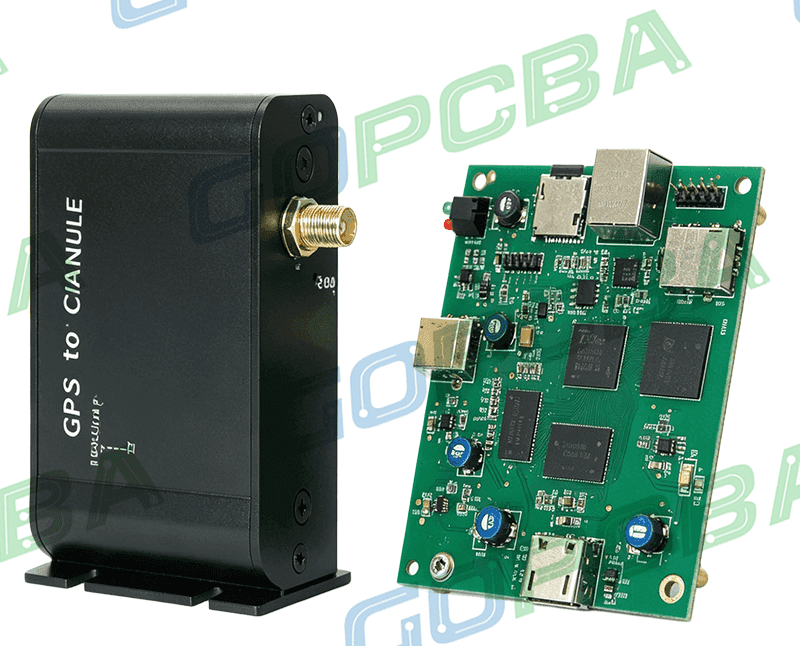
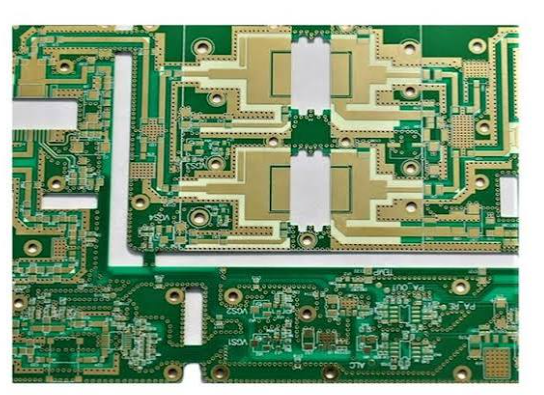
Receiver PCB Cost: Materials, RF Requirements and Volume A Board Defined by Sensitivity A receiver board receives, filters and processes radio frequency signals. It sits inside Wi-Fi modules, GPS receivers, IoT sensors, remote control systems, drones, smart home devices and industrial communication equipment. What makes its cost structure distinctive is…
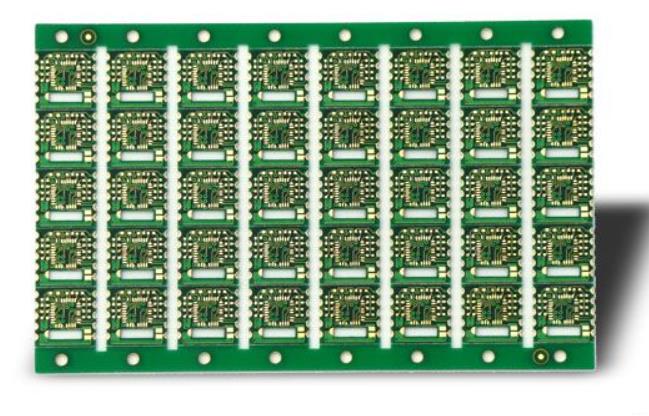
What Drives the Cost of a Quick Turn PCB Prototype Why Prototype Cost Behaves Differently Quick turn prototyping exists to shorten development cycles and expose design problems early, while changes are still cheap. Because a rapid prototype run is inherently small, typically one to twenty boards, its cost structure has…
High Volume PCB Assembly: Process, Cost and Supply Chain Scaling From Prototype to Millions Once a product enters volume manufacture, the constraints change. Cost per unit, consistency between shipments and supply chain stability become the dominant concerns, and the assembly partner’s production capacity and process discipline determine whether the ramp…
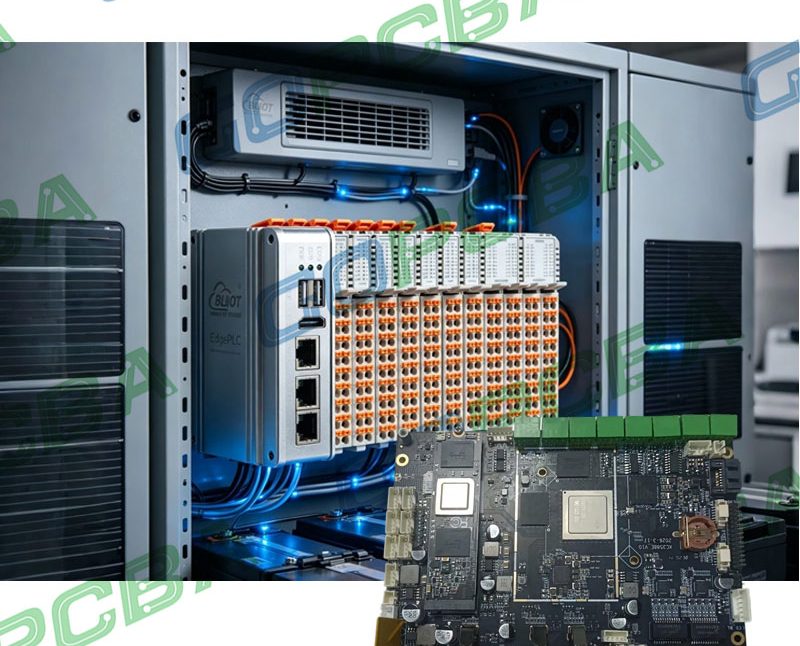
Gateway Device PCB: Materials, Design and Sourcing The Board at the Centre of the Network A gateway is the point where devices meet the network. It aggregates data from sensors and endpoints, converts between protocols, routes traffic, and increasingly performs some processing at the edge. Inside every one of those…
Industrial Data Acquisition PCB: Noise, Layout and Materials Measuring a Millivolt in an Industrial Environment Industrial data acquisition systems exist to convert physical quantities such as temperature, pressure, current, voltage and vibration into digital data accurately and repeatably. The environment they operate in makes that difficult: continuous electrical noise from…
Low Cost PCB Volume Production: Where the Money Goes Low Cost Is a Design Outcome, Not a Purchase Price In volume manufacturing, the board cost inside a product directly determines bill of materials cost, margin and competitive position. That makes cost reduction a genuine engineering objective rather than a procurement…
PCB Sourcing Strategy: Comparing Chinese and Overseas Supply Where a Board Is Built Is a Strategic Decision Choosing where a printed circuit board is manufactured stopped being a simple purchasing question some time ago. It now determines cost structure, delivery speed, quality consistency, supply chain resilience and, on some programmes,…