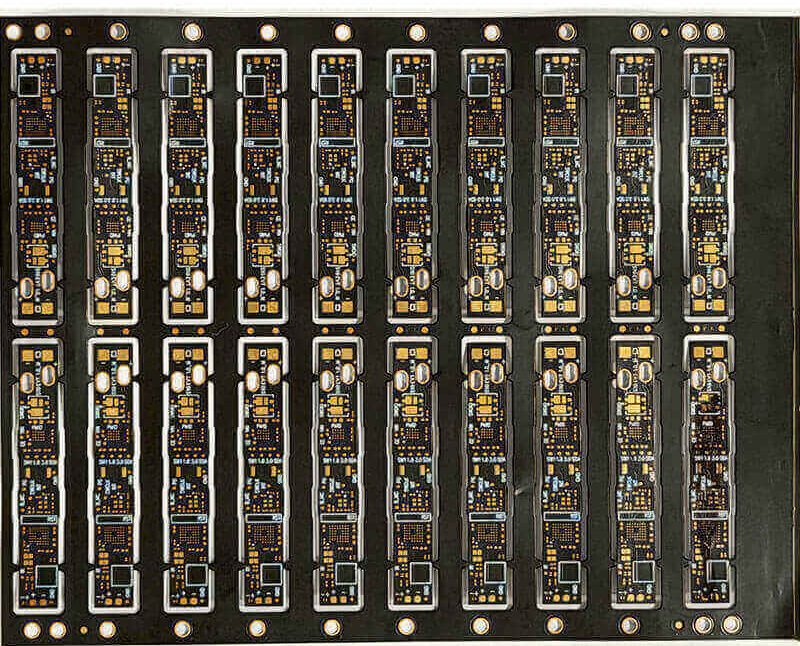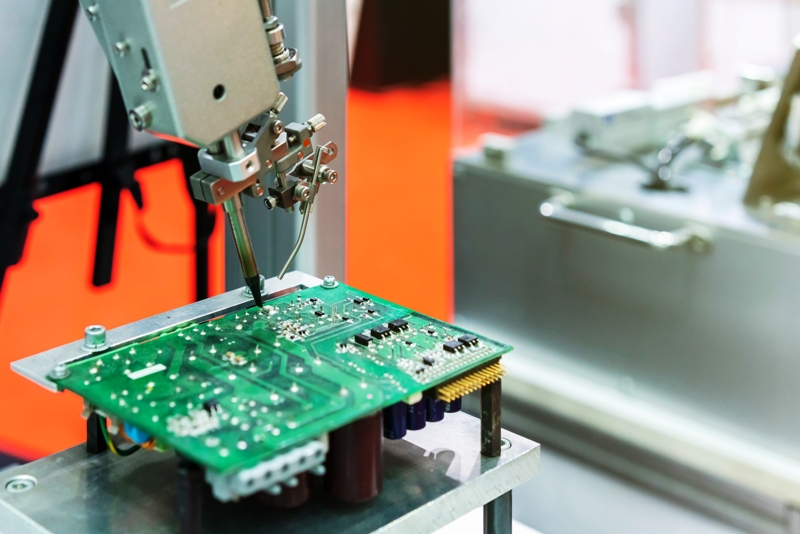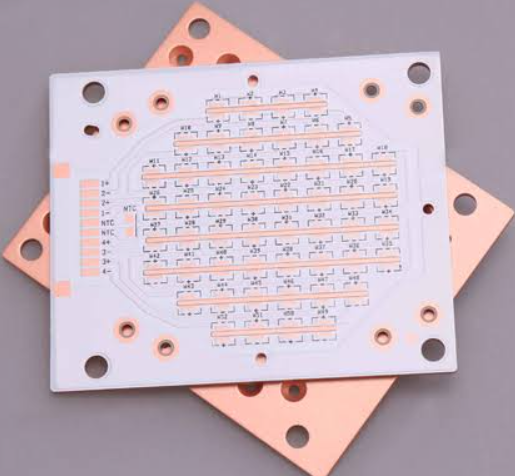
PCB Solder Mask Color Options: A Practical Selection Guide Colour Is a Manufacturing Decision, Not Just a Cosmetic One Walk through any PCB factory and the dominant colour is green. That is not decoration. Solder mask colour influences how well automatic optical inspection can see the panel, how consistently the…
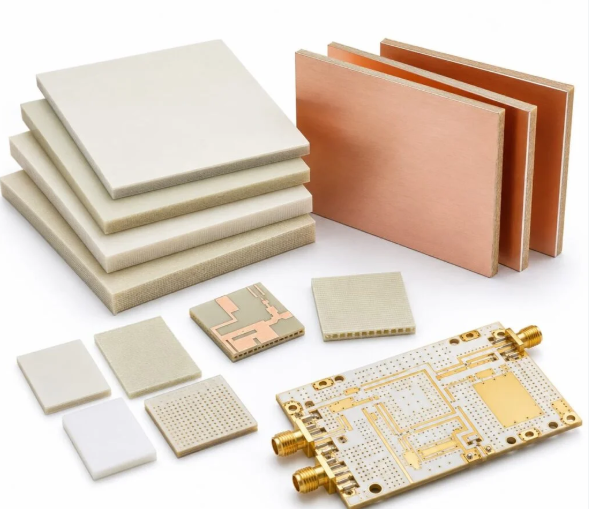
Defence System PCB: From Prototype to Long Run Production Reliability as a Precondition In commercial electronics, reliability is a competitive advantage. In defence electronics it is the entry requirement. A radar system, an encrypted communications link, a guidance unit or a surveillance platform either works when it is needed or…
CPU Motherboard PCB: Design, Stack-Up and Manufacturing The Hardest Board in the System A CPU motherboard is where every difficult requirement in board design meets at once. It carries a processor that draws large currents through a power delivery network that must respond to load steps in microseconds. It routes…
Audio Mixer PCB: Design for Low Noise and Channel Isolation A Board That Is Judged by Ear Most circuit boards are evaluated against measurements. An audio mixer is evaluated by listening, and the listener notices things that never appear on a functional test report: a faint hiss on a quiet…
Washing Machine PCB: Design for Moisture, Voltage and Vibration An Appliance Duty Cycle That Never Stops A washing machine is one of the harshest environments a consumer product creates for its own electronics. The board sits inside a cabinet that fills with water vapour and condensation, drives a motor that…
Oil Resistant PCB: Black Solder Mask for Harsh Environments Boards That Live in Oil Most circuit boards operate in air. A growing number operate in oil mist, lubricant spray, hydraulic fluid and chemical vapour, bolted to machinery that runs continuously in a mine, a machine shop, a transmission housing or…
PCB Plating Thickness: Copper, Nickel and Gold Explained The Numbers That Decide Whether a Board Lasts Plating thickness is one of the least visible specifications on a circuit board and one of the most consequential. A copper layer a few micrometres too thin raises the resistance of every via on…
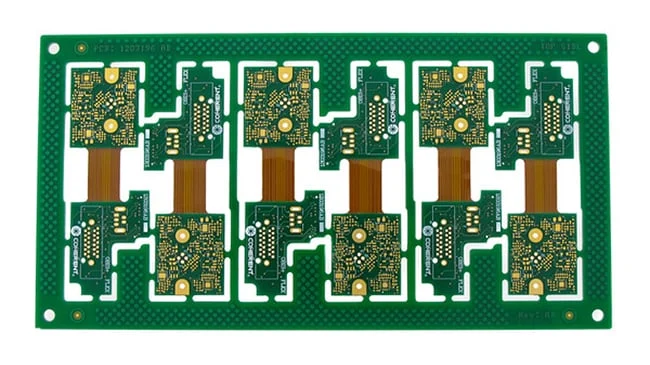
Rigid-Flex Stiffener PCB: Materials, Cost and Design Rules Making One Part of a Flexible Circuit Rigid A flexible circuit is valued for being able to bend, but there are places on almost every flex design where bending is the last thing you want. A connector has to sit flat and…
Flexible PCB Coverlay: Material, Thickness and Openings The Layer Nobody Discusses Until It Fails When a flexible circuit is designed, attention goes to the base film, the copper weight and the bend radius. The coverlay, the protective layer laminated over the finished conductors, is usually specified last and discussed least.…
8 Layer PCB Price: What Drives the Cost and How to Cut It The Workhorse of Dense Designs Eight layers is the point at which a board stops being a simple multilayer stack and becomes a routing platform. With four copper layers there is usually enough freedom to route the…