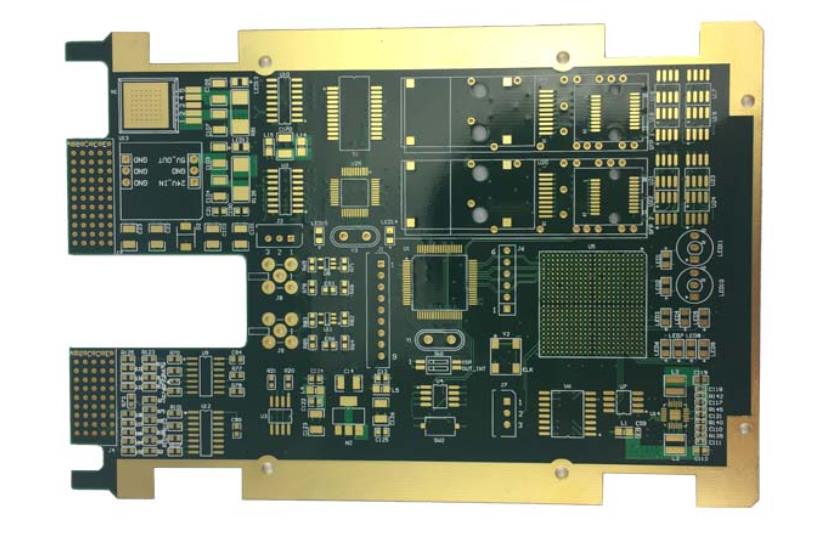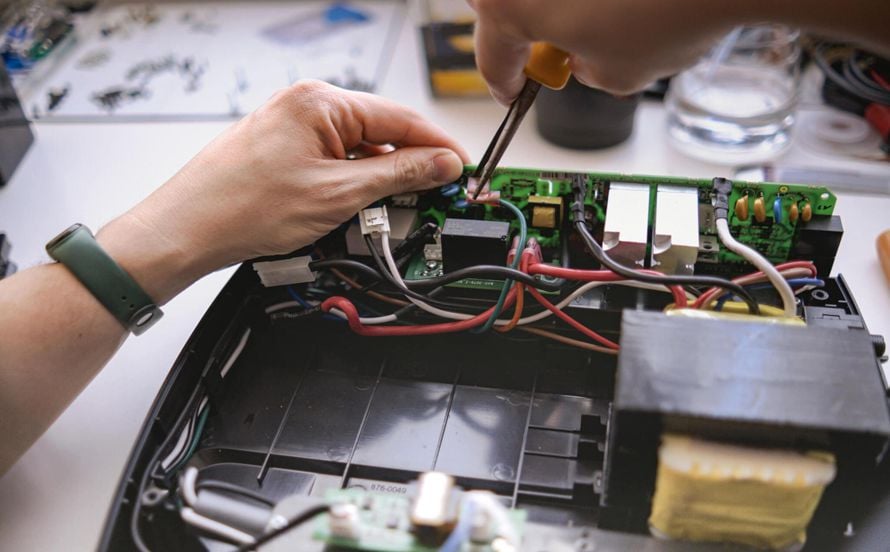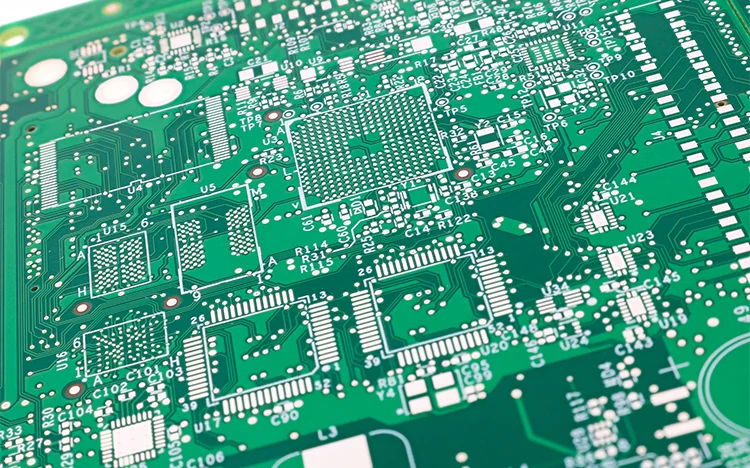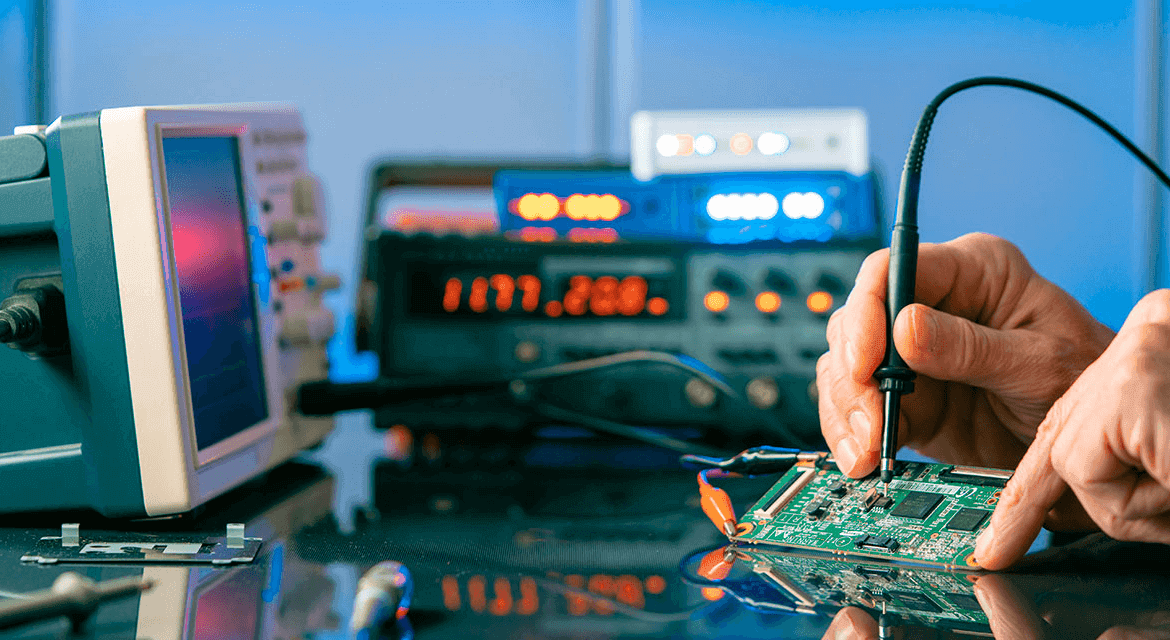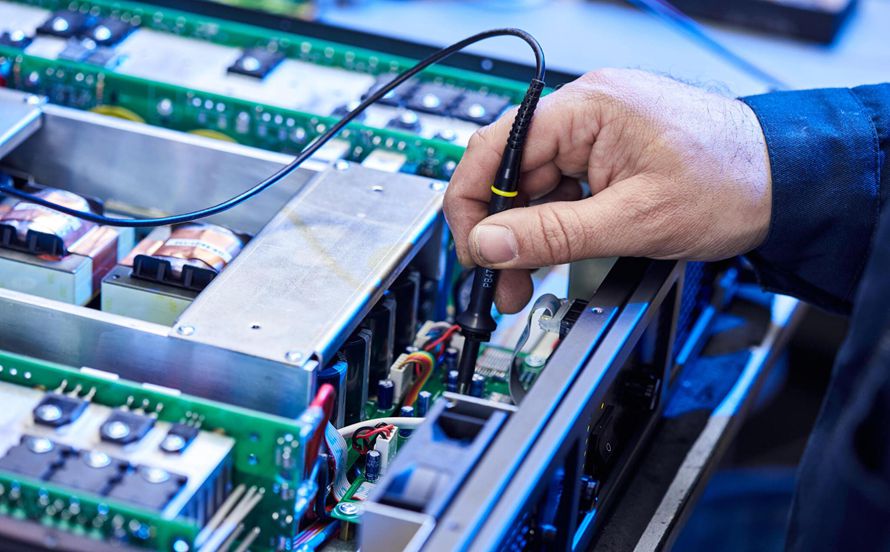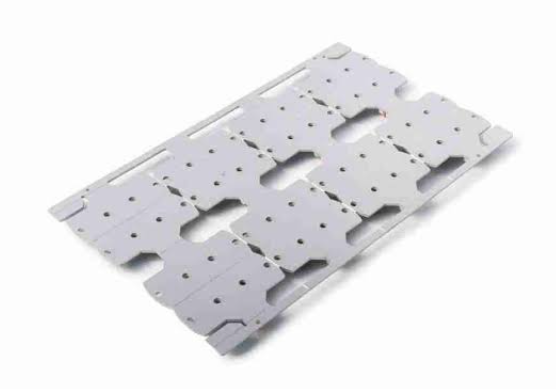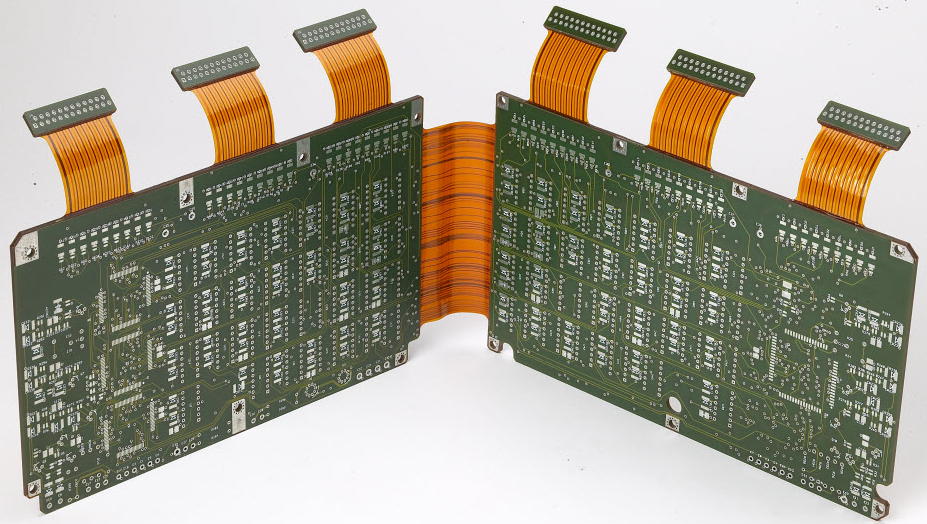
Medical Instrument PCB: Design and Manufacturing What Makes a Medical Board Different An instrument that is used on or inside a patient is regulated before it is manufactured. The board inside it has to be designed, built and documented in a way that can be audited, and every decision that…
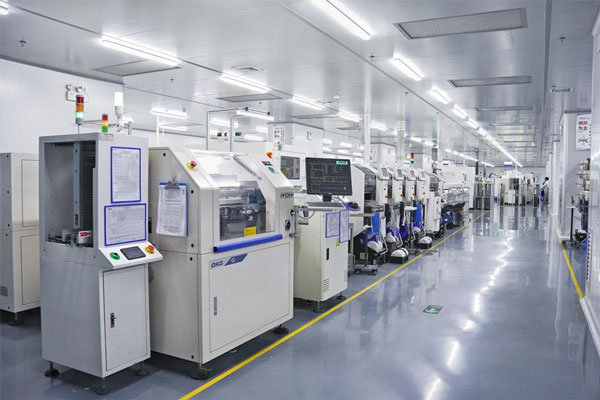
Aluminium PCB Thickness: How to Choose The Three Thicknesses on an Aluminium Board Every metal core board has three layers, and each has its own thickness. The copper foil carries the circuit, typically one ounce, two ounces or heavier where current is high. The dielectric layer bonds the copper to…
Double-Sided Rigid PCB: Structure, Design and Price What a Double-Sided Rigid PCB Is A double-sided rigid board carries copper on both faces of a stiff insulating core and connects the two faces with plated through holes. The laminate is usually FR-4, occasionally a high glass transition grade or a composite…
Aluminium Nitride Substrate: Thermal Performance and Sourcing Why Aluminium Nitride Aluminium nitride is a ceramic that behaves like a metal in one respect and like an insulator in another. Its thermal conductivity is around 170 watts per metre kelvin, roughly seven times that of alumina and comparable to some aluminium…
Military Grade vs Industrial Grade PCB: Which to Choose Two Grades, Two Sets of Assumptions The difference between a military grade board and an industrial grade board is not a single specification. It is a different set of assumptions about what the product must survive. An industrial controller is expected…
Switch PCB: The Board Behind Every Button What a Switch PCB Is A switch board is the least glamorous and one of the most heavily used circuits in electronics. Its job is to turn a physical action into an electrical event, and to do it several million times without wearing…
PCB Manufacturing Glossary: Terms Engineers Must Know Why the Vocabulary Matters A printed circuit board passes through a dozen hands before it is finished, and each of those hands uses a slightly different word for the same object. A designer calls it a footprint; a fabricator calls it a land…
4oz Copper PCB: When Heavy Copper Is Worth It What 4oz Copper Means Copper weight is quoted in ounces per square foot of foil, which is a weight rather than a thickness. One ounce of copper spread over one square foot is about 35 micrometres thick, so a four ounce…
LCD TV PCB Assembly: A Complete Guide The Boards Inside a Television A modern LCD television contains several printed circuit assemblies rather than one. The mainboard carries the video processor, the memory and the input interfaces. The power board converts mains into the low voltage rails the set needs. The…
Insulated Metal Substrate PCB: A Design and Cost Guide What an IMS PCB Is An insulated metal substrate board is a three layer construction: a metal base, a thin thermally conductive dielectric, and a copper circuit layer on top. The metal base is usually aluminium and sometimes copper. The dielectric…