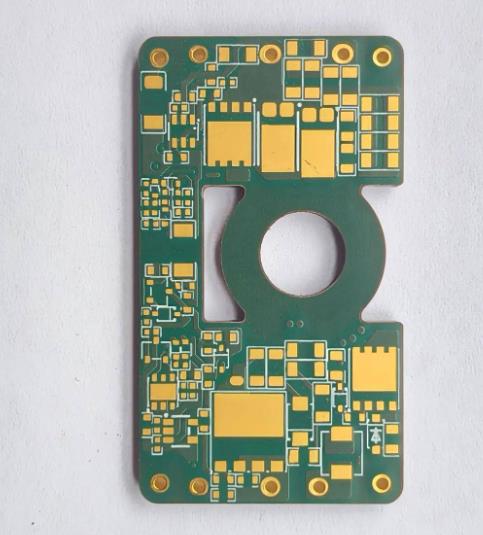
CEM-1 PCB: The Low-Cost Single-Sided Laminate What CEM-1 Is CEM-1, composite epoxy material grade one, is a laminate with a cellulose paper core impregnated with flame retardant epoxy resin and faced with copper foil on one side. It is the cheapest material that still behaves like a printed circuit substrate,…
Electric Heater PCB: Design, Materials and Cost What an Electric Heater PCB Does An electric heater is a simple load and a surprisingly demanding control problem. The board that drives it has to switch several hundred watts, sometimes several kilowatts, read a temperature sensor and hold the element within a…
PCB Layer Stack: What Every Layer Does The Anatomy of a Board A printed circuit board is a sandwich of conductive layers separated by insulating ones. The conductor is copper foil, patterned into traces, planes and pads. The insulator is a resin reinforced with glass fibre, supplied either as a…
High Speed PCB Cost: What Actually Drives the Price Why a High Speed Board Costs More Two boards can have the same dimensions, the same layer count and the same component count and still differ in price by a factor of two or three. The difference is not the circuit;…
How to Choose a PCB Supplier: An Evaluation Framework Start From the Requirement A supplier evaluation is only meaningful against a defined requirement. Before comparing quotations, write down what the board actually needs: the layer count and the stack, the material, the finished thickness and the tolerance, the minimum line…
Consumer Electronics PCB: Cost, Quality and Time to Market What Makes Consumer Electronics Different A consumer electronics board is designed under three pressures at once: it has to cost very little, it has to be reliable enough that the warranty cost stays acceptable, and it has to reach the market…
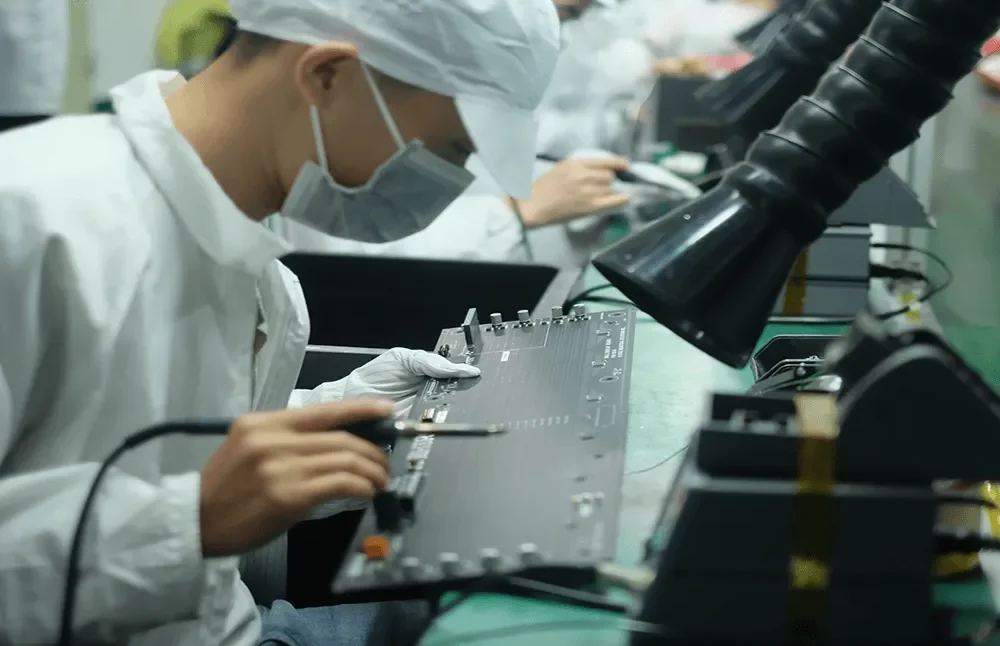
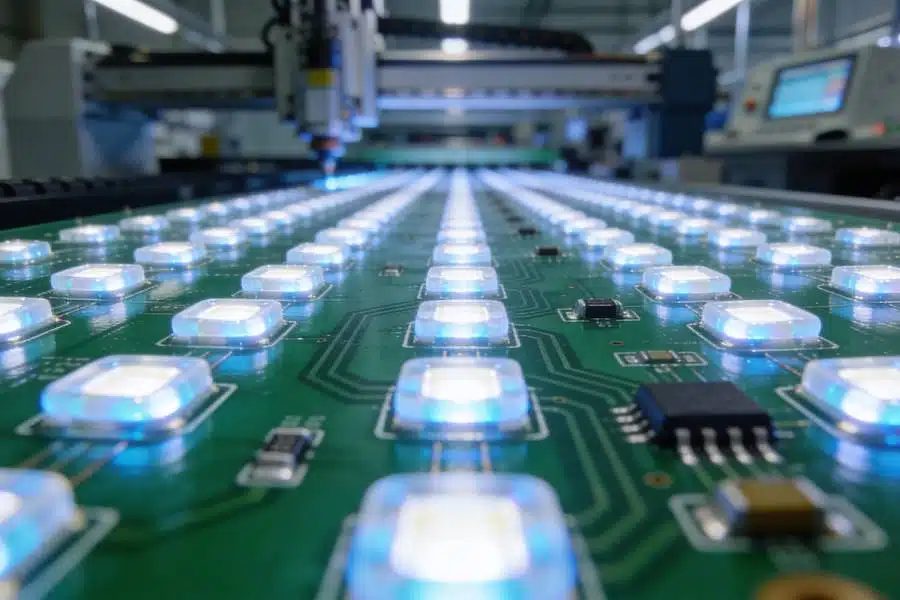
High Precision SMT Assembly: What Makes It Accurate What Precision Means in SMT A high precision assembly is one in which the components are placed on pads of a fraction of a millimetre, the solder joints form consistently, and the result is the same on the first board and the…
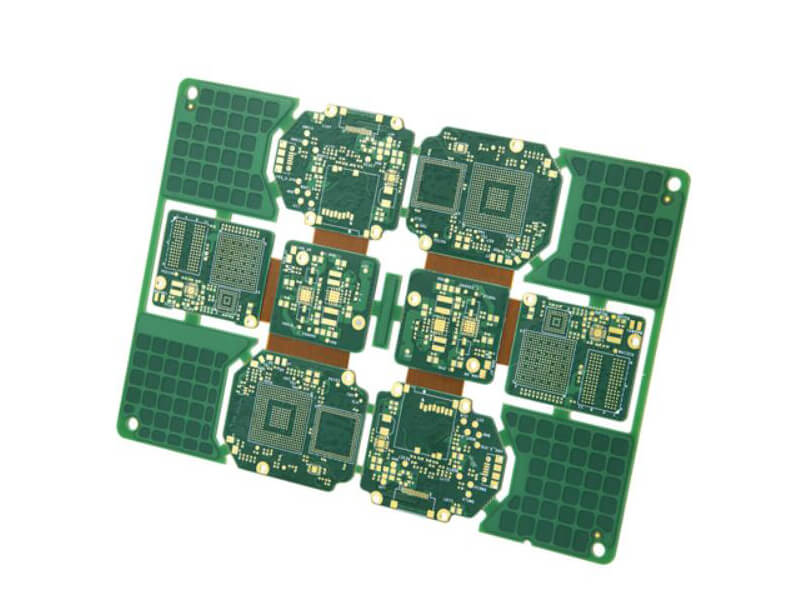
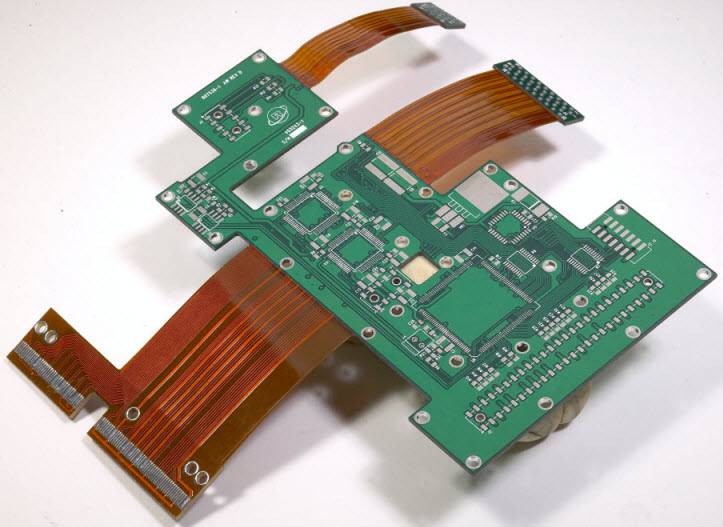
Connecting a Flex Circuit to a Rigid PCB: Five Methods What the Interface Has to Do Where a flexible circuit meets a rigid board, the design has to satisfy three requirements at once. It has to make a reliable electrical connection at a fine pitch, it has to survive the…
Repairing a Water-Damaged PCB: A Practical Guide Why Water Damages a Board Water itself is not usually what destroys a circuit board. The damage comes from three effects that follow the liquid. The first is the short circuit: a conducting path formed across live conductors while the board is powered,…
5-Layer PCB: When an Odd Layer Count Makes Sense What a Five Layer Board Is A five layer board carries five copper layers separated by dielectric, which is an unusual number because the industry builds most boards in even counts. The reason is mechanical as much as electrical: a stack…