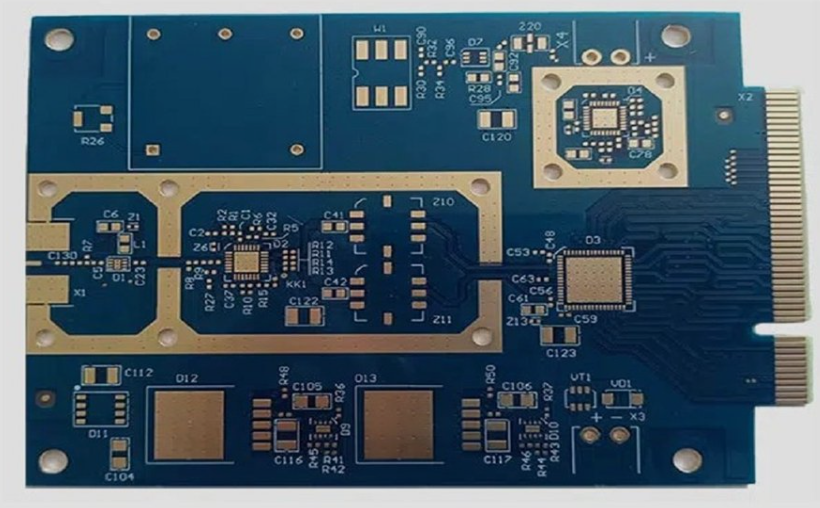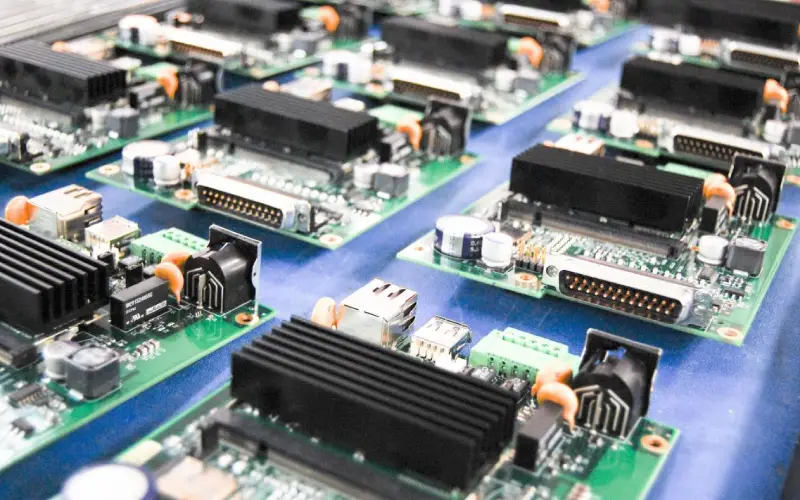
PCB Design for IoT Devices The Constraints of an IoT Board An IoT device usually has three constraints at once: it must be small, it must run for a long time on a limited energy source, and it must be cheap. The three conflict. A small board makes the radio’s…
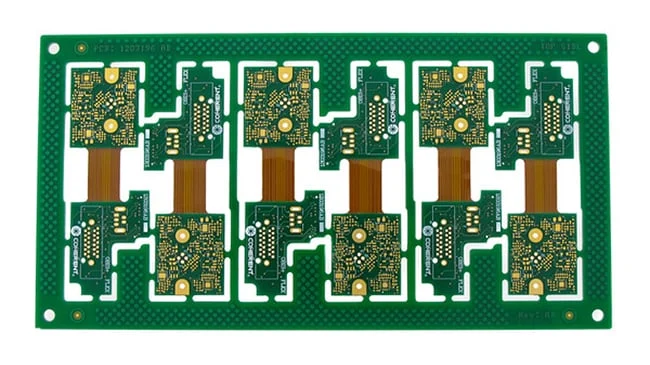
Bluetooth Module PCB Design Guidelines Why a Module Still Needs Layout Care A radio module integrates the radio, the matching and often the antenna, and it comes with a certification that applies when the module is used as the manufacturer specifies. That specification includes a keep-out area, a ground plane…
Test Coupons and Impedance Verification What a Coupon Is For A test coupon is a structure on the production panel that has no function in the product, and that exists to be measured. It carries the same traces, the same stackup and the same process as the product, so that…
High Frequency Laminate Selection Why the Material Matters at Frequency At low frequencies the laminate is nearly an ideal insulator and its properties are almost irrelevant. As the frequency rises, the dielectric’s losses become significant, the conductor’s losses grow with the frequency, and the material’s dielectric constant decides the impedance…
Metal Core and Aluminium PCBs What a Metal Core Board Is A metal core board replaces the usual laminate with a metal base, usually aluminium, covered by a thin dielectric layer and the copper circuit. The metal base provides a thermal path that a normal laminate cannot, because the dielectric…
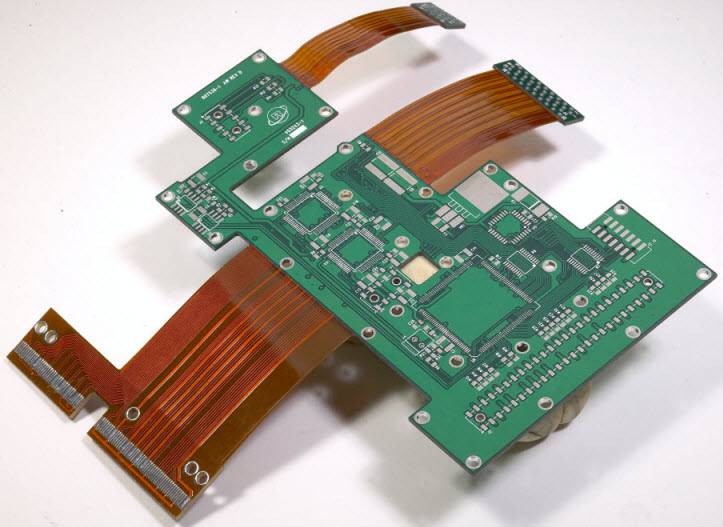
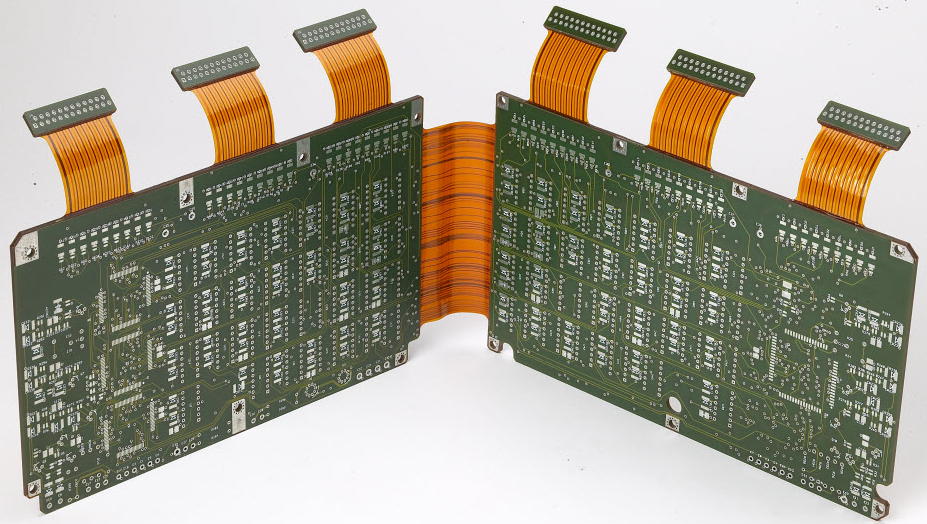
Rigid-Flex Design and Transition Zones What Rigid-Flex Solves A rigid-flex board combines rigid sections that carry the components with flexible sections that carry the connections, so that the assembly can fold into a shape that a rigid board cannot. It removes connectors and cables, which improves reliability and saves space,…
Solder Mask Colour and Material Selection More Than a Colour Solder mask is usually discussed as a colour, and the colour is the least important of its properties. The mask is a polymer that has to adhere to the laminate and the copper, survive the fabrication processes and the soldering…
Copper Plating Thickness in Vias What the Plating Has to Do The copper plating in a via is both the electrical connection between the layers and the mechanical structure of the barrel. It has to carry the current, it has to withstand the expansion of the laminate during soldering and…
Drilling Quality and Hole Wall Condition Why the Hole Begins the Via A plated hole is only as good as the hole it was plated into. The drilling operation cuts through the copper, the laminate and the glass fibres, and it generates heat that the laminate and the resin must…
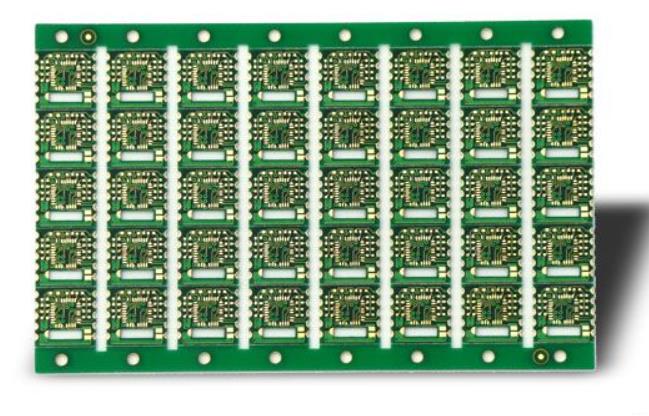
Panel Utilisation and Board Nesting Why the Panel Matters A board is not fabricated on its own. It is placed on a standard panel along with other boards or with several copies of itself, and the panel is what goes through the drilling, plating, imaging and etching steps. The number…