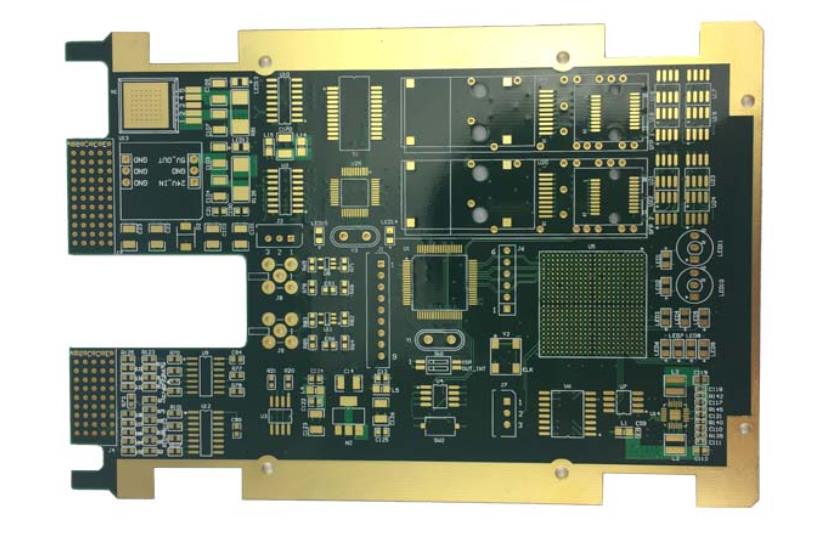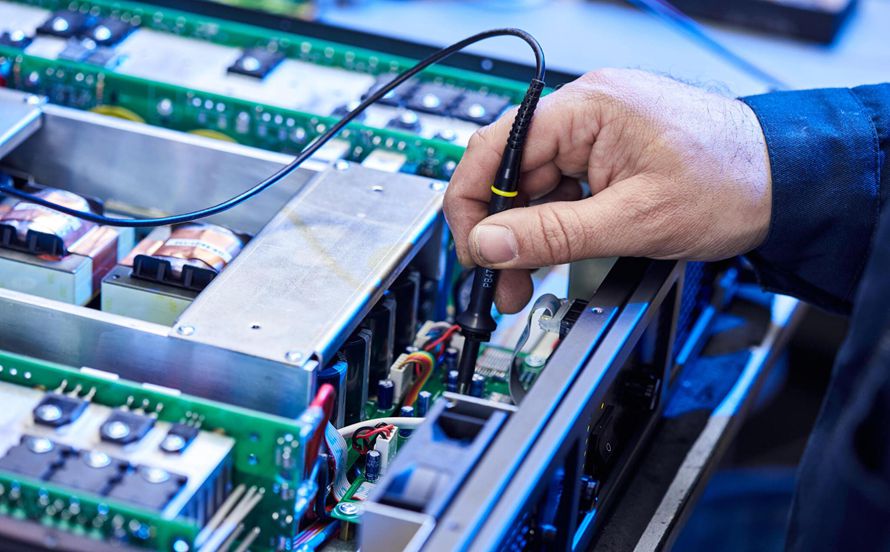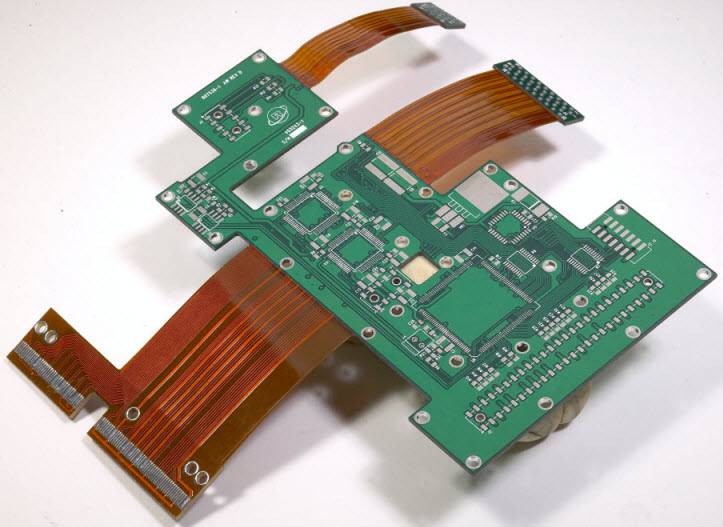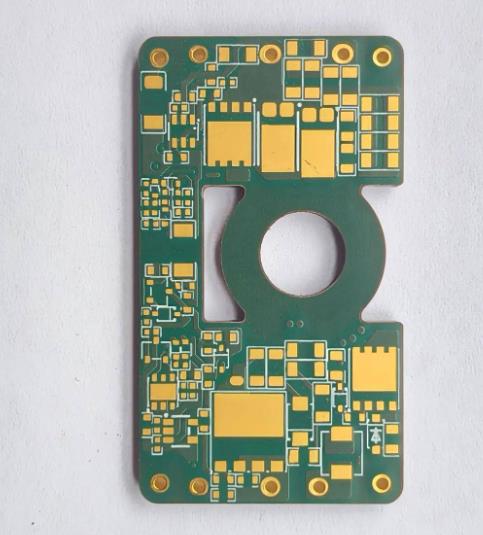
PCB Gold Fingers: Design and Plating What Gold Fingers Are Gold fingers are the row of plated contacts along the edge of a board that plug into an edge connector or a card slot. They exist because the contact has to survive repeated insertion and removal without corroding, and gold…
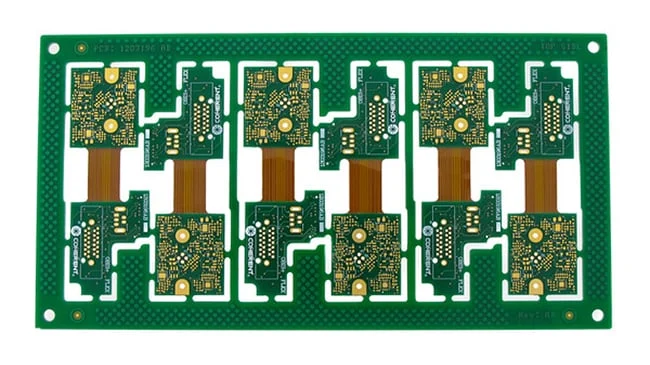
Solder Mask Colour: How It Affects Yield and Inspection Solder Mask Colour Is Not Only Cosmetic Solder mask colour is usually chosen for appearance, and it is often the last decision made on a project. It should be an engineering decision, because the colour changes the contrast between the mask,…
PCB Solderability Testing: Methods and Criteria What Solderability Actually Measures Solderability is the ability of a surface to be wetted by molten solder within a defined time and at a defined temperature. It is not a measure of how much solder a joint will contain, and it is not a…
Copper Balance and Thieving in PCB Panels Why Copper Distribution Matters Every layer of a board is pressed from copper foil and resin soaked glass under heat and pressure, and then cooled. Copper and laminate expand and shrink at different rates, so a layer with a large area of copper…
Impedance Coupon Design and Placement Why a Coupon Exists Controlled impedance cannot be measured on a finished product board in any practical way: the traces are under components, the reference planes are buried, and the geometry that must be verified is inside the laminate. The industry solution is to build…
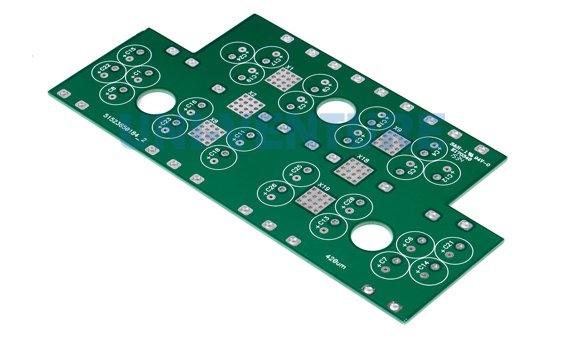
PCB Tooling Holes and Panel Design What Tooling Holes Are For A tooling hole is a non plated hole that a machine or a fixture uses to locate a board or a panel mechanically. Fiducials tell a vision system where the board is; tooling holes physically hold it there, and…
Solder Paste Volume: Why the Deposit Decides the Joint The Volume Is the Specification A solder joint is not made by the reflow oven or by the flux; it is made by the amount of solder that was printed on the pad before the component arrived. The paste consists of…
Solder Joint Voiding: Causes and Acceptance Limits What a Void Is and Why It Happens A void is a cavity inside a solder joint, filled with gas that was trapped as the solder solidified. It is not the same as insufficient solder, and it is not the same as a…
Baking PCBs Before Assembly: Moisture and Popcorning Why Moisture Matters FR-4 and the other laminates used in boards are not impermeable. The resin absorbs water from the air, and the amount it holds depends on the relative humidity, the temperature and the time it has been exposed. At room conditions…
PCB Cleaning After Assembly: Residues and Methods What Is Actually Being Removed When an assembly comes out of the reflow oven it carries more than solder. Flux residues, activators, metal salts, solder spheres, dust and, in a poorly controlled process, skin flakes and fibres are all sitting on the surface,…