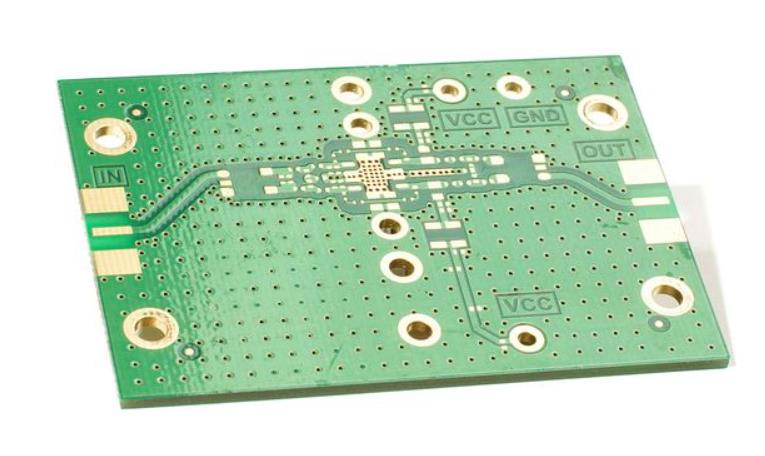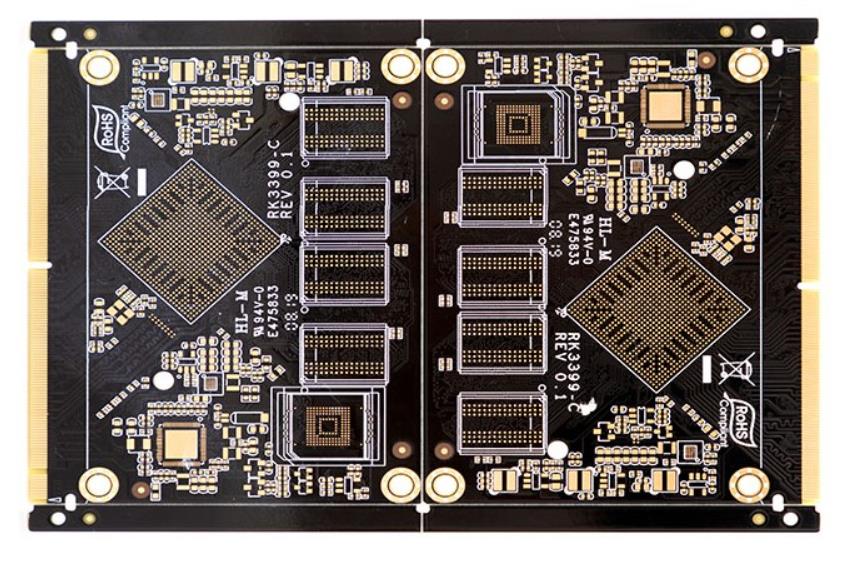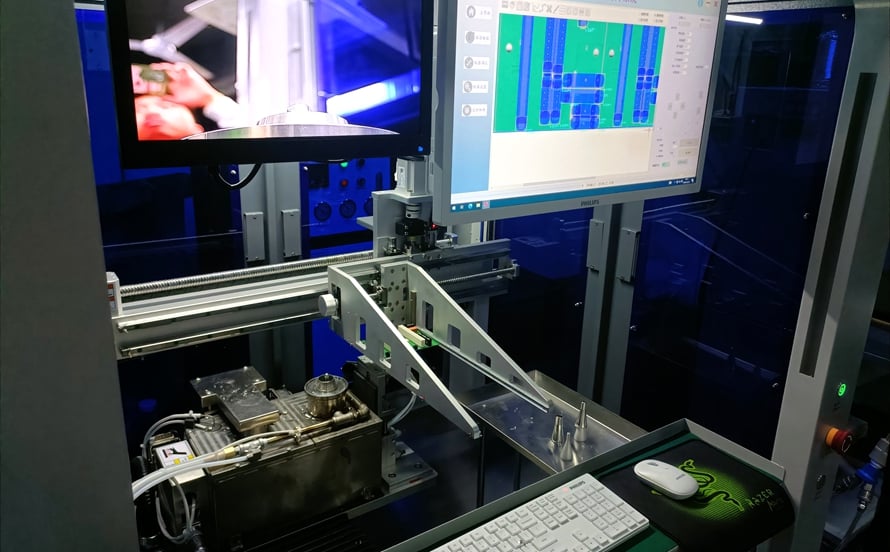
Back Drilling PCB: Why Via Stubs Matter at High Speed The Stub Is the Problem A plated through hole that connects the outer layers of a thick board also passes through every layer in between. If the signal only needs to travel between two of those layers, the unused portion…
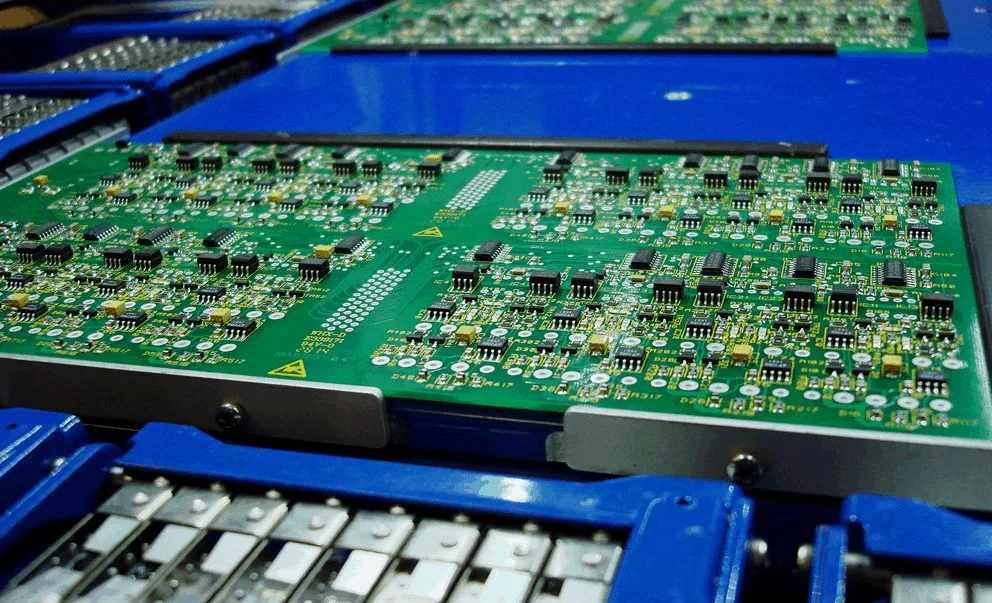
Press-Fit PCB Design: Holes, Tolerances and Reliability What Press-Fit Actually Does A press-fit connector or pin is installed by pushing it into a plated hole without solder. The pin has a compliant section, usually a hollow eye or a shaped spring, that deforms elastically as it enters and then presses…
Standard PCB vs HDI PCB: Comparing Process Capability Two Capability Sets, Not Two Quality Levels The difference between a conventional multilayer board and an HDI board is not quality, it is the set of process limits the design can use. A standard board is built with mechanical drilling, conventional imaging…
Blind Slot PCB vs Through Slot: Design and Manufacturing Two Slots, Two Processes A slot is a routed opening in a board that is longer than it is wide, and the word covers two very different features. A through slot is cut all the way through the panel, so the…
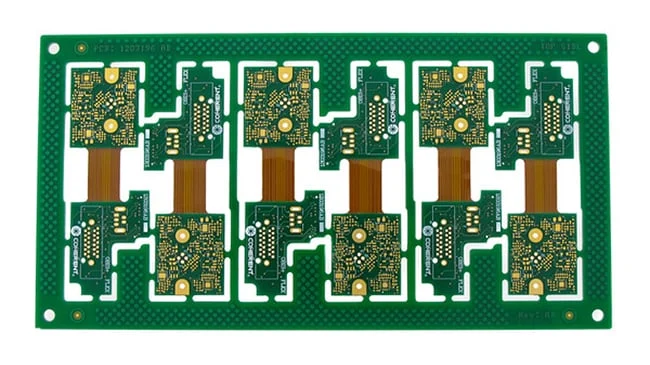
FPC Process Capability: What a Flex Circuit Manufacturer Can Build Why Capability Comes First on Flex A rigid board design can usually be adjusted after the first quotation, because the fabricator’s limits are wide enough that most circuits fit. A flexible circuit is less forgiving. The material is thinner, the…
PCB V-Cut Panelisation: Standards, Tolerances and Design Rules What V-Cut Does V-cut scoring is the fastest and cheapest way to separate rectangular boards from a panel. Two rotating blades cut a shallow V shaped groove into both faces of the panel along the line where the boards must separate, leaving…
PCB Manufacturing Yield: How to Reduce Defects and Raise Output What Yield Actually Measures Yield is usually quoted as a single percentage, but the useful figure is first pass yield: the proportion of panels or boards that pass every inspection and test stage the first time, without rework or repair.…
Copper Thickness for Flex PCB: How to Choose Why Copper Thickness Matters More on Flex On a rigid board, copper weight is mostly a question of current and thermal spreading. On a flexible circuit it is also a mechanical decision. The copper is bonded to a polyimide film, and the…
IQC, IPQC and FQC: PCB Inspection Stages Explained Three Gates Between Material and Delivery Quality in board manufacturing is not achieved by inspecting the finished panel. It is achieved by checking the material before it enters the line, checking the product while it is being made, and checking it again…
Paste Mask vs Solder Mask: How the Two Layers Differ Two Layers, Two Different Jobs The confusion between the paste mask and the solder mask comes from their names, which both describe a mask and neither of which says what it is for. The solder mask is a physical coating…