Power Supply PCB Cost in 2026: What Really Drives the Price Why Power Boards Cost More Than Digital Boards A power supply board can be small, simple in layer count and still cost several times what a dense digital board of the same area costs, because the price of a…
FPC to PCB Connection Methods: ZIF, Hot Bar and Board-to-Board Why the Joint Decides the Product A flexible circuit is usually the most reliable part of a compact assembly, and the joint where it meets the rigid board is usually the first thing to fail. The reason is mechanical rather…
Security Camera PCB: Design, Materials and Manufacturing What a Security Camera PCB Is A security camera board is the interconnect at the centre of a surveillance device, and the scope is wider than the name suggests. It covers the main board of a mains powered network camera, the compact assembly…
Rail Transportation PCB: Standards, Design Rules and Applications What a Rail Transportation PCB Is A rail transportation board is a printed circuit that lives inside the signalling, control, communication or power equipment of a train, a tram or a metro system. It is not simply an industrial board with a…
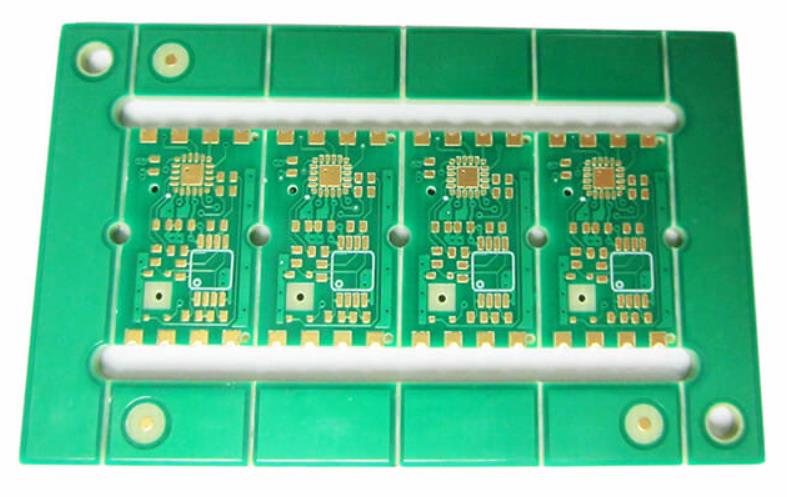
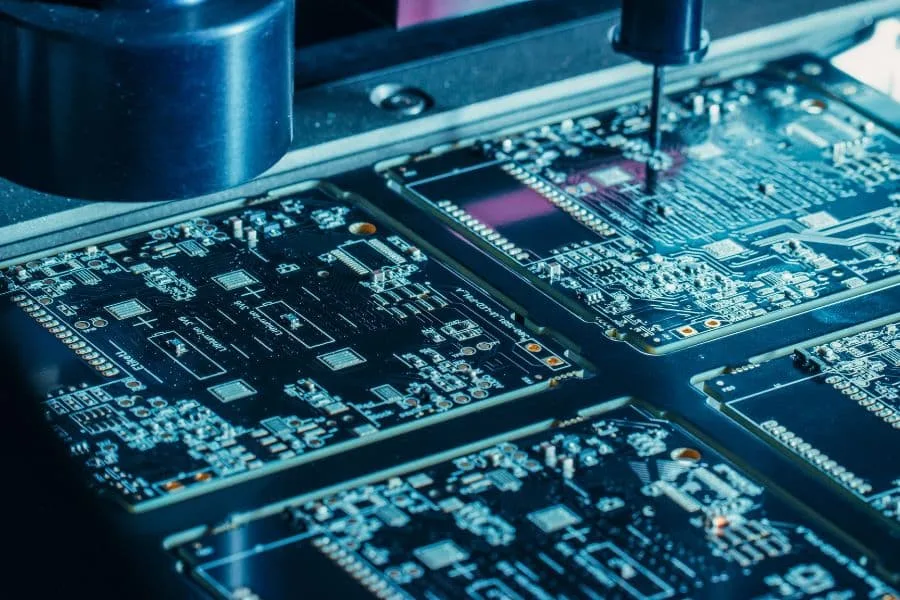
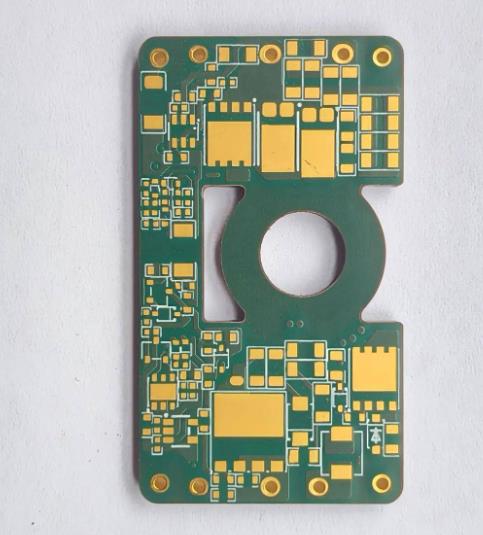
Custom Shape PCB Milling Service: Tolerance, Capacity and Cost What Profile Milling Is Profile milling, also called routing or outline machining, is the step that turns a panel of circuits into individual boards of the required shape. A high speed spindle follows the outline from the mechanical layer of the…
DXF for PCB Manufacturing: What to Send and Why What a DXF File Is DXF stands for Drawing Exchange Format, an open CAD format originally published so that different drafting programs could exchange geometry. It describes two dimensional shapes with lines, arcs, circles, polylines and text, and it carries no…
PCB Manufacturing Tolerances: What the Fabricator Can Hold What a Tolerance Means on a Board A tolerance is the range of variation that a process can hold around a nominal dimension, and on a printed circuit board it applies to almost everything that matters: the finished thickness, the width of…
PCB Thickness Chart: Standard Sizes and How to Choose What Determines the Finished Thickness The thickness quoted on a drawing is the finished board, measured from the top of one solder mask surface through the stack to the bottom, and it is the sum of several separate contributions. The dielectric…
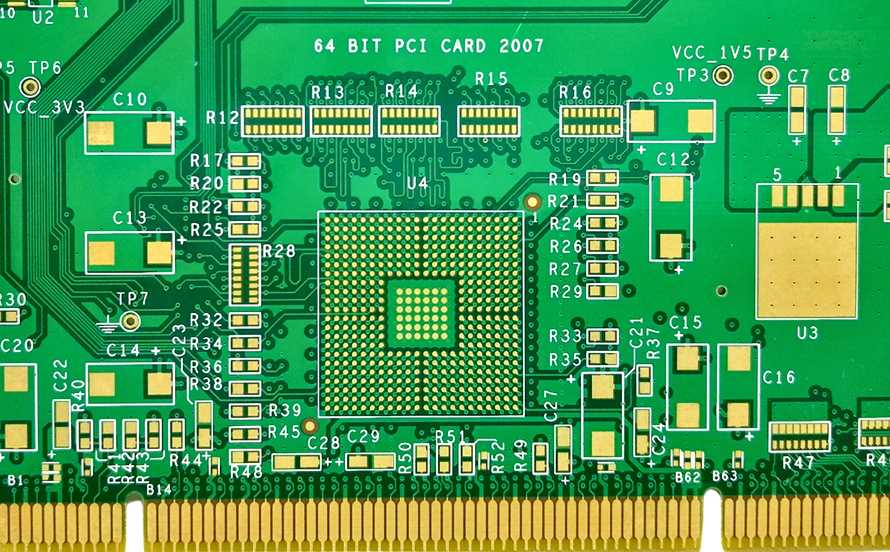
PCB Silkscreen Design: Text Rules, Clearance and Print Quality What the Silkscreen Layer Is The silkscreen is the printed legend on the surface of a finished board: reference designators, polarity marks, pin one indicators, connector labels, test point names, logos, safety marks and increasingly a QR code or a serial…
PCB Copper Pour: Types, Design Rules and Thermal Benefits What a Copper Pour Is A copper pour is the layer of copper that fills the empty space on a board rather than carrying a defined net from one point to another. The designer draws a polygon over an unused area,…