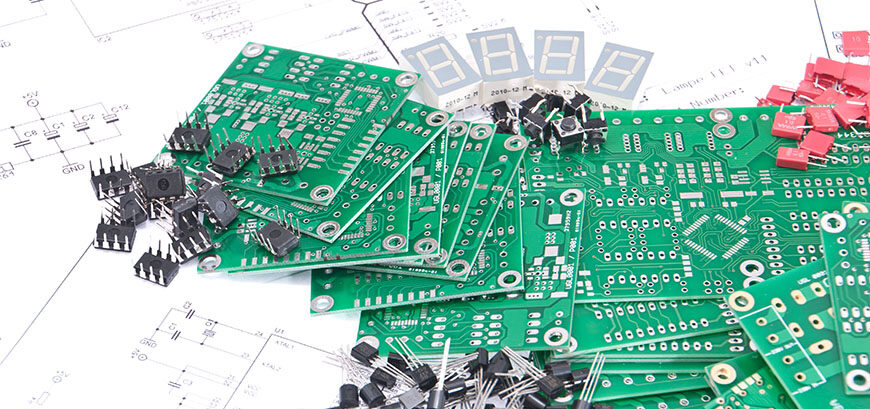
Vacuum Hold Down: 5 Rules for the Printer Table Vacuum hold down is the system that pulls a panel onto the table of the printer and holds it there while the paste is applied. It works through channels machined in the table and a seal around the edge, and it…
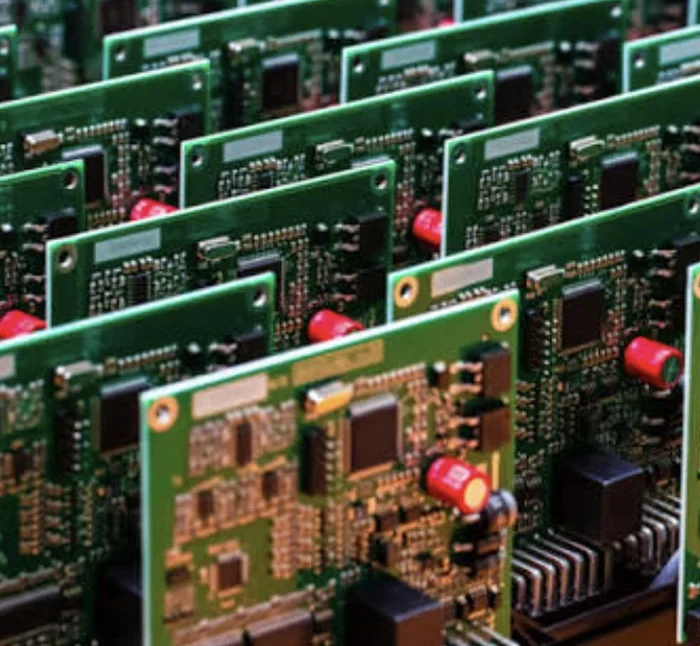
Paste Warm Up: Design Rules and Process Limits Paste warm up is the wait between taking solder paste out of cold storage and opening the container, and it exists because paste is a suspension of alloy powder in flux. Cold paste is stiff, and its behaviour on the stencil is…
Serial Number Marking: 6 Rules on a PCB A serial number marking gives every unit its own identity, and it is the point at which a board stops being a batch and becomes an individual. Without it, a field failure can only be traced to a lot and a date.…
Black Pad: 5 Causes Behind a Failed Joint Black pad is the name given to a joint failure that begins in the nickel layer of an electroless nickel immersion gold finish. The pad looks dark under the gold, the solder joint that forms on it is weak, and the fracture…
Certificate of Conformance: 5 Records to Keep A certificate of conformance is a document in which the supplier states that the goods meet the requirements of the purchase order. It is a signed claim rather than a test result, and its value comes entirely from the records that sit behind…
Silver Tarnish: 5 Rules for Immersion Silver Silver tarnish is the discolouration that appears on an immersion silver board when the metal reacts with sulfur compounds in the air. It is a surface film rather than a change in the deposit, and it is one of the few finish defects…
Volume Accuracy: 6 Checks for Paste Inspection Volume accuracy is the agreement between the volume a paste inspection system reports for a deposit and the volume that is actually there. It is not the same as repeatability, which only says that the machine gives the same answer twice, and a…
Gold Thickness: 5 Checks for ENIG Finish Gold thickness on an electroless nickel immersion gold finish is a compromise rather than a target. Enough gold protects the nickel and keeps the surface solderable through storage, while too much gold makes the joint brittle and adds cost that no customer wants…
Resist Strip: 6 Rules for Clean Copper Resist strip is the wet process that removes the plating resist after the copper and the finish have been deposited. It looks like the simplest step in the line, and it is the one that most often leaves a film behind, which changes…
Micro Etch: 5 Rules for Inner Layer Bonding Micro etch is the controlled chemical removal of a thin layer of copper from the surface of a panel before it is treated and laminated. The amount removed is measured in tenths of a micron, and that small cut produces the roughness…