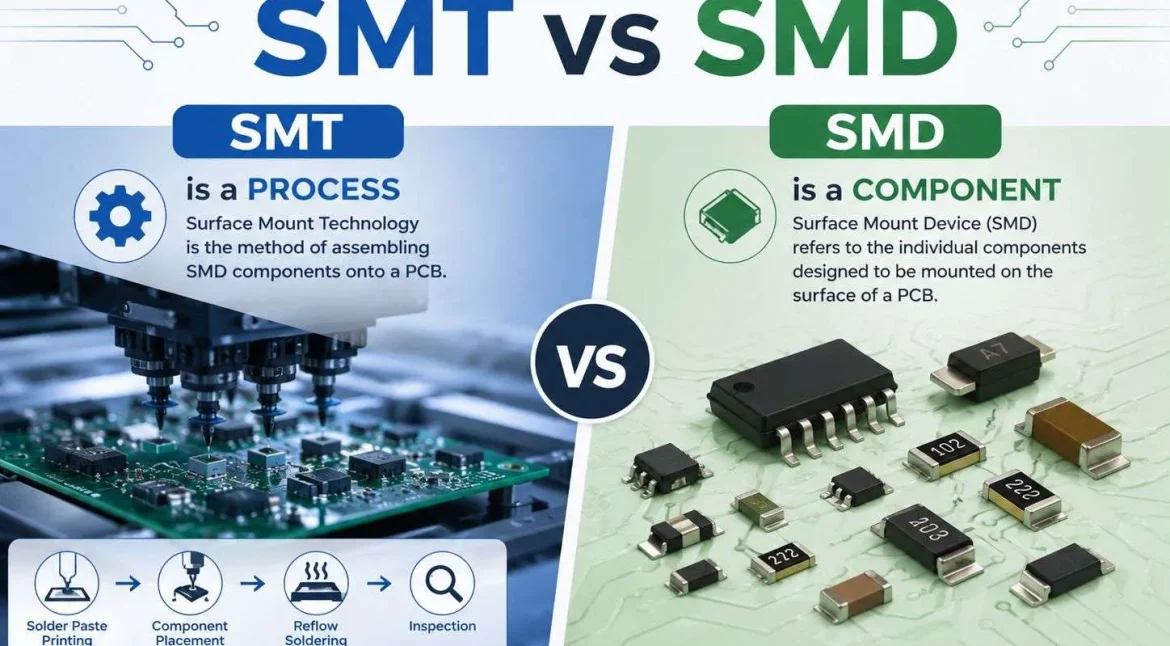
Solder Paste Inspection: 6 Ways to Use the Data on the Line Solder paste inspection measures every printed deposit before the board reaches the placement machine, reporting volume, area and height against the aperture that produced it. It is the only inspection point on an SMT line that sees the…
Date Code: 6 Rules for Incoming Inspection and Rotation A date code is the marking that tells you when a component was made, usually as a year and week on the reel label, the bag label and often the package itself. It is the cheapest traceability tool available at goods-in,…
Stencil Thickness: Matching Foil to Paste Volume Stencil thickness is the one printing variable that sets both the height of every deposit and the smallest aperture that can be printed reliably. It is fixed when the stencil is ordered, so a decision made from a default value at the start…
OSP Coating Thickness: 6 Controls for Solderable Copper An OSP coating is a thin organic film that grows on clean copper and protects it from oxidation until the board is soldered. It is measured in nanometres rather than micrometres, it is invisible on the finished panel, and it is removed…
Squeegee Angle: 5 Settings That Decide Print Quality The squeegee angle is the angle between the blade and the stencil surface, and it decides how the force you apply is divided between wiping and pushing. A blade held at a shallow angle converts more of the carrier force into downward…
Board Holder Setup: 6 Rules for Safer Rework A board holder is the fixture that supports and clamps an assembly during rework, and it does more than hold the board still. It controls how heat spreads through the panel, how much the board warps when it is heated locally, and…
Pink Ring and Wedge Voids: 6 Causes in Drilled PCB Holes Pink ring is the halo that appears around a drilled hole in a microsection where the resin has separated from the inner layer copper, leaving an area that etches differently from the surrounding laminate. It is named for the…
Dendrite Growth on Assembled Boards: 5 Drivers Dendrite growth is the formation of metal filaments between two conductors on an assembled board, driven by voltage, moisture and ionic contamination. A dendrite grows across the surface rather than through the laminate, and it starts as a faint trail that raises leakage…
Spindle Runout: 5 Effects on Drilled Hole Quality Spindle runout is the wobble of a rotating drill spindle, measured as the total indicated movement of the tool or the collet at the point where the bit enters the board. A spindle with runout spins the bit off centre, so the…
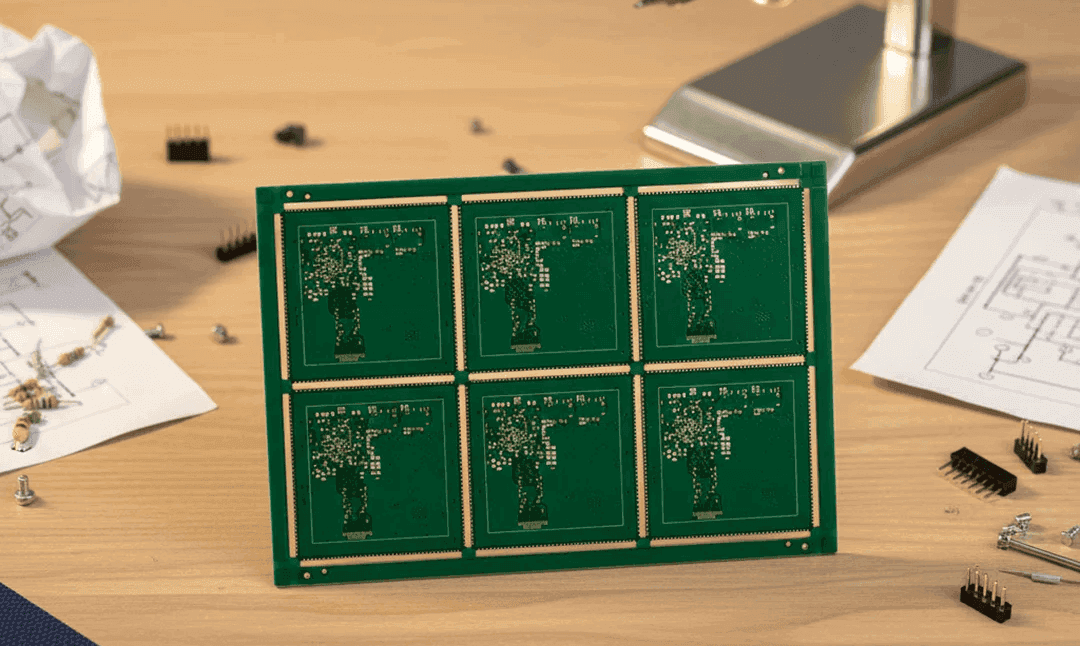
Router Depaneling: 6 Controls That Keep Cut Edges Clean Router depaneling separates boards from a panel with a small carbide cutter that follows a routed channel. Unlike a guillotine or a V-cut break, the router removes material rather than fracturing it, so the board edges carry far less bending load…