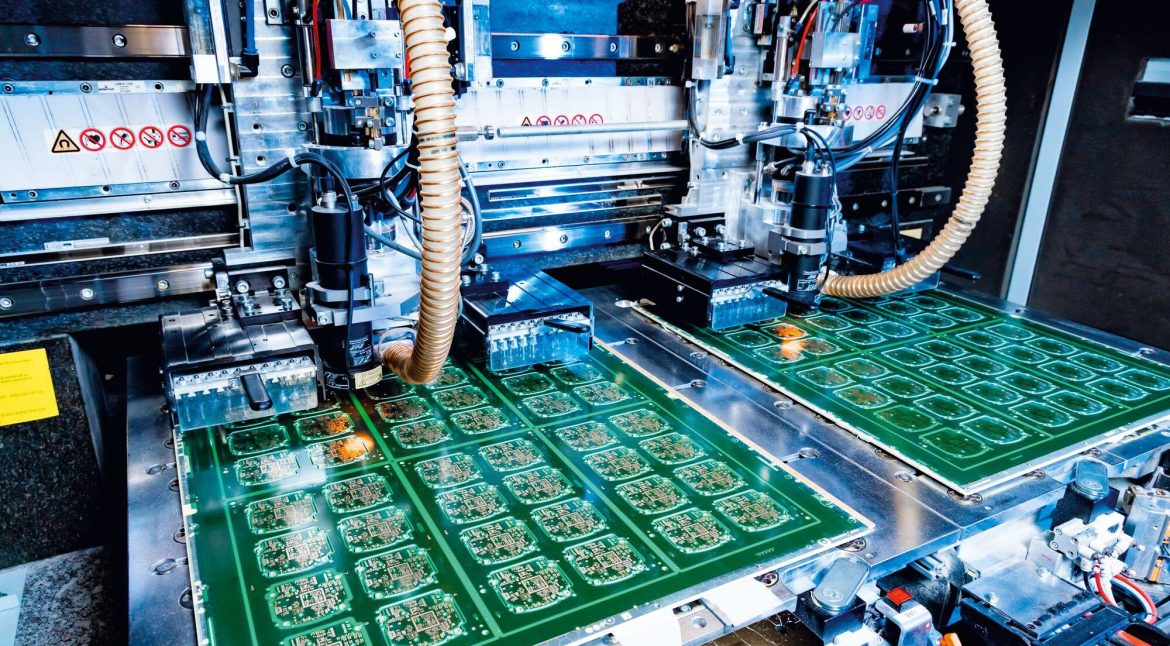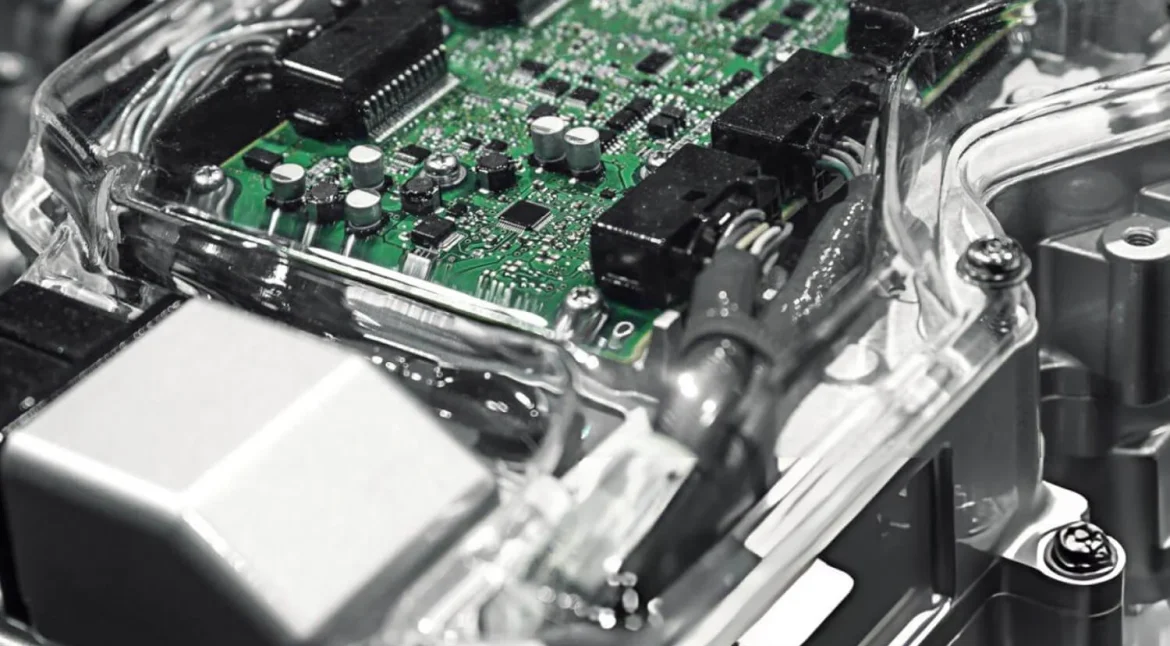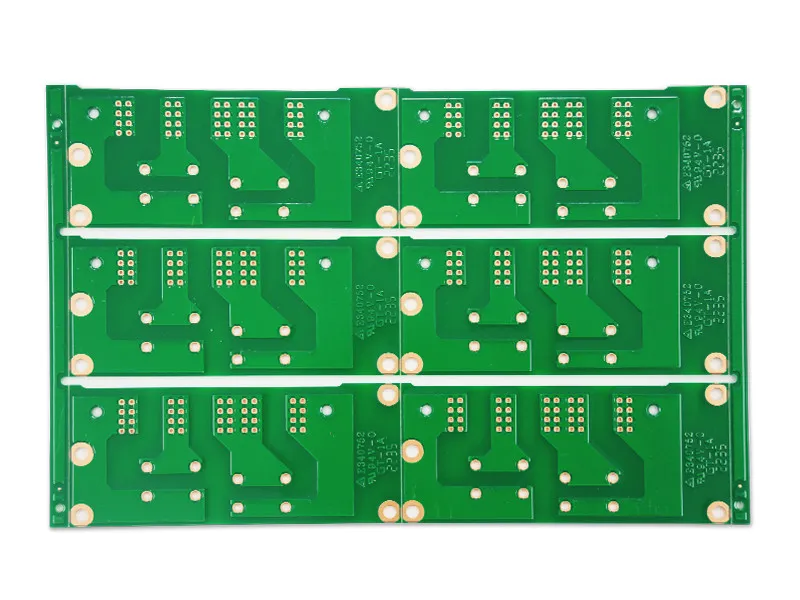
Etch Compensation on PCB: 6 Rules That Hold Trace Width Etch compensation is the deliberate widening of the artwork so that the finished trace reaches its designed width after etching. The etchant removes metal sideways as well as downwards, and if the artwork were drawn at the target width, the…
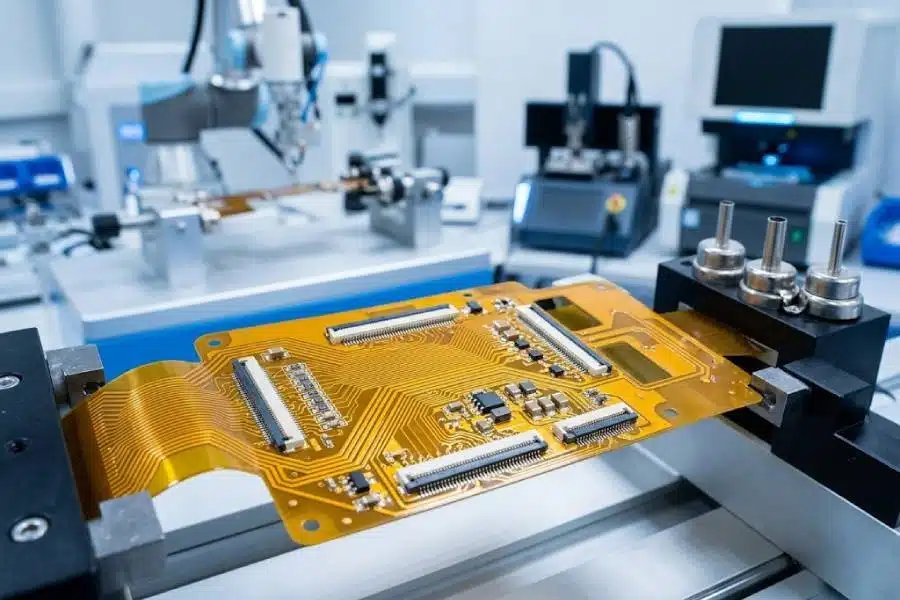
Flying Probe Testing vs Fixture Test: 6 Rules to Choose Flying probe testing and fixture testing both check that a bare board matches its netlist, and they get there in completely different ways. A prober moves a small number of heads across the panel and measures nets one at a…
Solder Mask Haloing: 6 Causes and How to Limit It Solder mask haloing is the pale ring that appears in the mask around a pad, a via or a plated hole, where the resin beneath the coating has changed appearance. The mask itself is intact and the board passes adhesion…
Lead Clinching in Through-Hole Assembly: 6 Rules That Hold Lead clinching is the practice of bending a through-hole component lead after insertion so that the part stays in place until it is soldered. The bend holds the component against the board, keeps it from falling out during handling and, in…
Solder Paste Stringing: 7 Causes at Stencil Lift Solder paste stringing is the fine thread of paste left between the stencil and the deposit when the two separate. The thread stretches, breaks and falls, sometimes onto the mask beside the pad, sometimes back across the deposit as a ridge. On…
Bow and Twist: 5 Rules for Measuring PCB Flatness Bow and twist are the two ways a printed circuit board fails to be flat, and they are measured separately because they come from different causes. Bow is a curvature across the board, so the whole panel bends like a shallow…
Reflow Oven Door Seal: 5 Signs of a Leak An oven door seal is a strip of elastomer that closes the gap between the door and the chamber frame, and it does two jobs at once. It keeps heat inside the reflow zones and it keeps the process atmosphere inside…
Solder Paste Thawing: 6 Rules From Fridge to Stencil Solder paste thawing is the step between the refrigerator and the printer, and it is treated as waiting time by most lines. It is not. Paste taken cold to a stencil prints with a high, unstable viscosity, and paste warmed too…
Solder Mask Development: 6 Causes of Residue in Fine Openings Solder mask development removes the unexposed film from every pad, via and opening, leaving the cured mask everywhere else. It is a dissolving step rather than a washing step, so the chemistry has to break the film down and the…
Paste Agitation: How Much Mixing Solder Paste Needs Paste agitation is the mixing that solder paste receives before and during printing, and it is either the thing that makes a stiff batch printable or the thing that ruins a good one. Paste is a suspension of alloy powder in a…