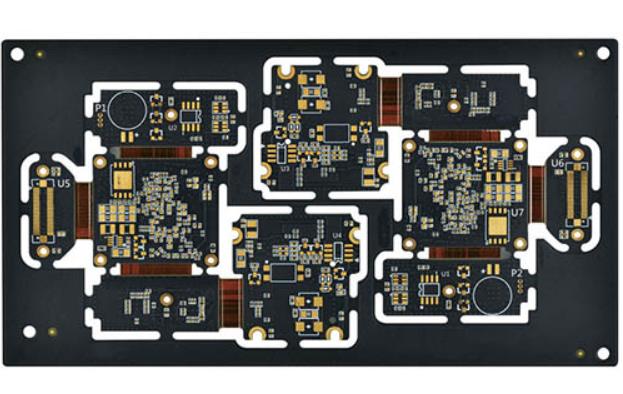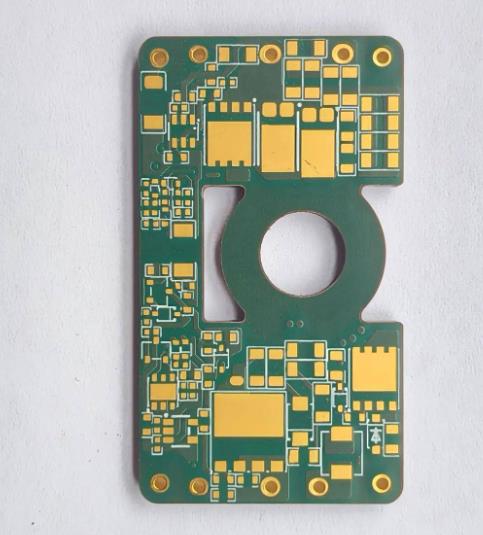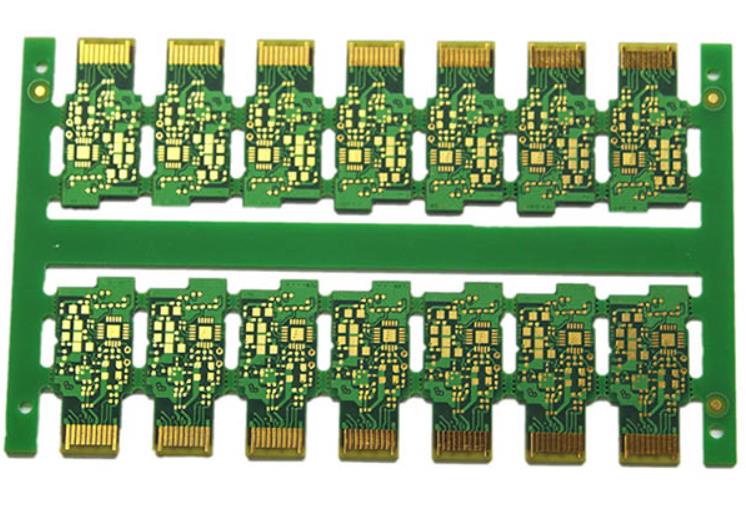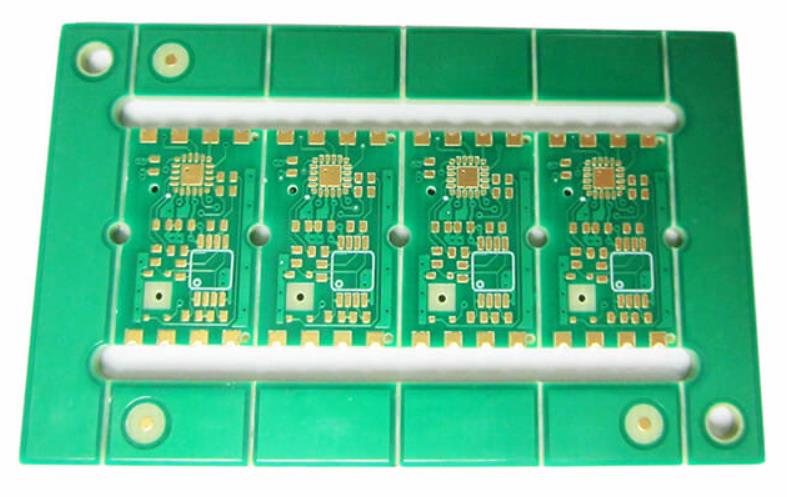
Aerospace PCB Connectors: Selection and Reliability Guide Aerospace PCB connectors must survive conditions that are far more demanding than a normal commercial environment. Spacecraft, satellites, and interplanetary systems face radiation, extreme temperatures, and strong vibration during launch. The connector is a critical link between circuit boards, power systems, and mission…
PCB Hole Wall Copper Defects and SAP Process Guide PCB hole wall copper defects such as copper particles and copper wires can appear during the fabrication of plated through-holes. These defects create rough hole walls, poor plating, opens, and reliability problems in the final PCBA. They are often caused by…
PCBA Processing Principles and DFM Checklist PCBA processing principles help engineers create boards that are easy to assemble, reliable in use, and low in manufacturing cost. A board designed without considering the assembly process may require extra processes, expensive fixtures, or unnecessary rework. Design for manufacturability turns the process requirements…
PCBA Failure Analysis Techniques: Thermal Imaging Guide PCBA failure analysis techniques help engineers find faults quickly before a board is scrapped or a product fails in the field. A common approach uses infrared or thermal imaging to detect the heat produced by a defective component or short circuit. Because most…
SMT Stencil Production Process and Inspection Guide The SMT stencil production process starts with detailed requirements from the PCB assembly engineer and ends with a quality inspection before the stencil is shipped to the factory. A stencil controls the volume, position, and shape of solder paste deposited on every pad.…
Reflow Soldering Safety Precautions and Emergency Guide Reflow soldering safety precautions protect both operators and circuit boards during the most critical step of SMT production. The reflow oven operates at high temperature, moves boards along a conveyor, and can create dangerous conditions if the equipment is not monitored correctly. An…
AOI in PCB Detection: How It Improves Assembly Quality AOI in PCB detection is used to check the quality of solder paste printing, component placement, and soldering joints during SMT production. AOI stands for automatic optical inspection. The system captures images with CCD cameras, processes them with computer software, and…
SMT Dispensing Defects and First Article Inspection Guide SMT dispensing defects create missing adhesive, misplaced components, and solder quality problems if they are not corrected quickly. Dispensing is used to apply chip adhesive, solder paste, underfill, or masking material before components are placed on the PCB. The glue dot must…
Advantages of SMT Mounters and Assembly Process Advantages of SMT mounters explain why surface mount technology has become the standard process in the electronic assembly industry. An SMT mounter places small, leadless, or short-lead components directly on the surface of a PCB before they are soldered in a reflow oven.…
SMT Mounter and Reflow Soldering: Process Guide SMT mounter and reflow soldering form the core of modern surface mount production. The mounter places components on the board, and the reflow oven melts the solder that connects them permanently. As electronic PCBs have become smaller and chip modules have become more…